Enter a keyword below to search for articles and products.
Chicken has been a widely popular and easily accessible source of protein for humans. However, when it comes to our canine companions, the role of chicken is a topic that demands exploration. From its countless health benefits to allergic reactions and dietary sensitivities, understanding the implications of incorporating chicken into a dog's meal plan is crucial for responsible pet care. Delve into the nuances of how chicken can serve as a valuable dietary component for dogs, uncovering the dos and don'ts that can help foster a balanced and nourishing diet for our beloved four-legged friends.
The short answer is yes, chicken is good for dogs. In fact, chicken is a common ingredient in many high-quality dog foods, owing to its rich protein content and relatively low fat. It provides essential amino acids that contribute to muscle development and overall health. However, it is crucial to prepare chicken appropriately for your furry friend as certain seasonings or cooking methods might be harmful.
While dogs are known to be natural carnivores, the consumption of raw chicken raises concerns. Raw chicken can potentially contain harmful bacteria such as salmonella or listeria, which pose health risks for dogs, just as they do for humans.
The consumption of raw chicken might lead to foodborne illnesses and digestive issues, causing vomiting, diarrhoea, or even more severe complications. Therefore, it is generally advised to thoroughly cook chicken before feeding it to your dog, eliminating any potential bacteria and making it safe for consumption.
While the appeal of a raw diet for dogs is gaining traction, the dangers of raw chicken consumption remain a significant concern:
Although rare, some dogs can develop allergies to chicken, resulting in various symptoms such as itching, skin irritation, gastrointestinal upset, and even respiratory issues. Chicken allergies in dogs are typically a response to specific proteins.
Dogs are omnivores, and aside from chicken, they can safely consume various other types of meat as part of a balanced diet.
Considering the risks associated with raw chicken consumption and potential allergies in dogs, seeking veterinary guidance is highly recommended. If your dog exhibits symptoms of an allergic reaction or has consumed raw chicken, a visit to the vet is crucial.
A veterinarian can conduct a thorough examination to identify the nature and severity of the allergic response and provide appropriate treatment options. Additionally, they can address any potential complications resulting from bacterial contamination, including gastrointestinal distress or other related health issues. Early intervention by a qualified veterinary professional can help mitigate the risks associated with food allergies and ensure the well-being of your canine companion.
Remember, the expertise of a veterinarian is essential, especially when it comes to handling food-related concerns. Seeking their advice and treatment can help safeguard your dog's health and prevent any further complications. Prioritising your dog's health and well-being through professional veterinary care can contribute significantly to their overall quality of life and long-term wellness.
Dogs can eat chicken, but the amount chicken should be in moderation, accounting for about 10% of their daily calorie intake, balanced with other nutrients for a complete diet.
Excessive chicken can lead to nutritional imbalances and potential health issues such as obesity or pancreatitis. Moderation is key.
Consumption of raw chicken can expose dogs to harmful bacteria like salmonella, leading to severe gastrointestinal problems, including vomiting and diarrhoea. Immediate veterinary attention may be necessary.
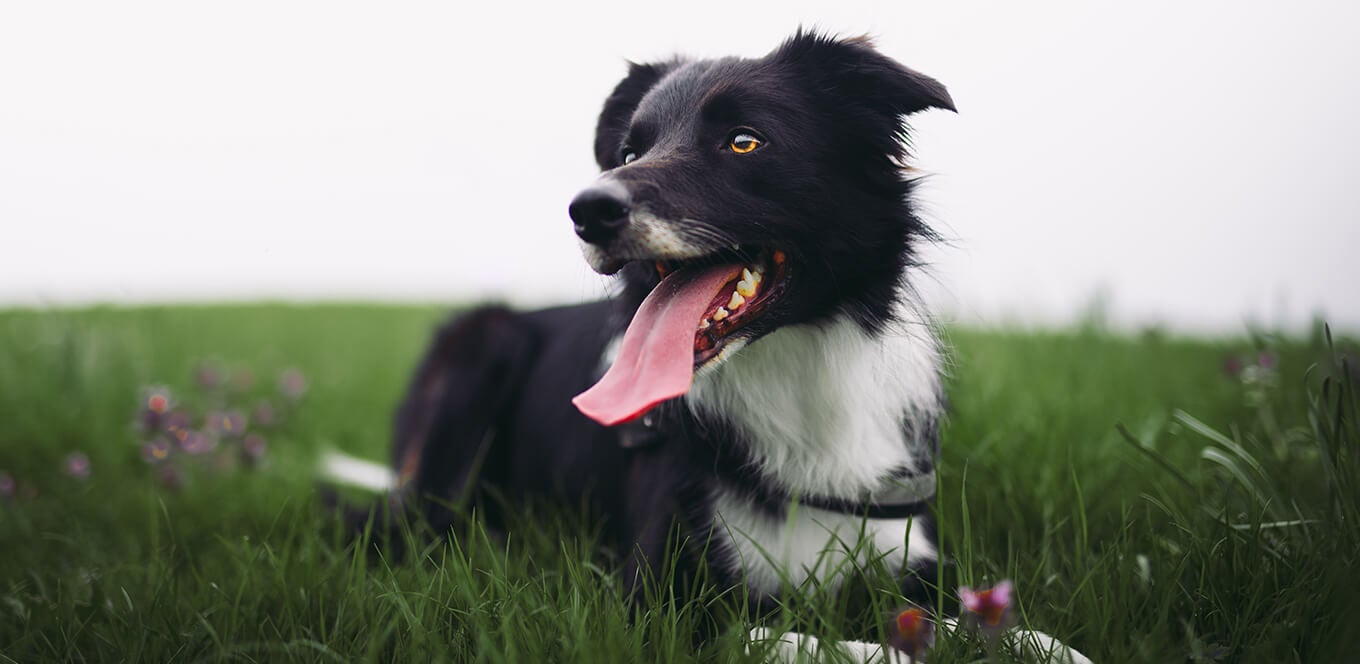
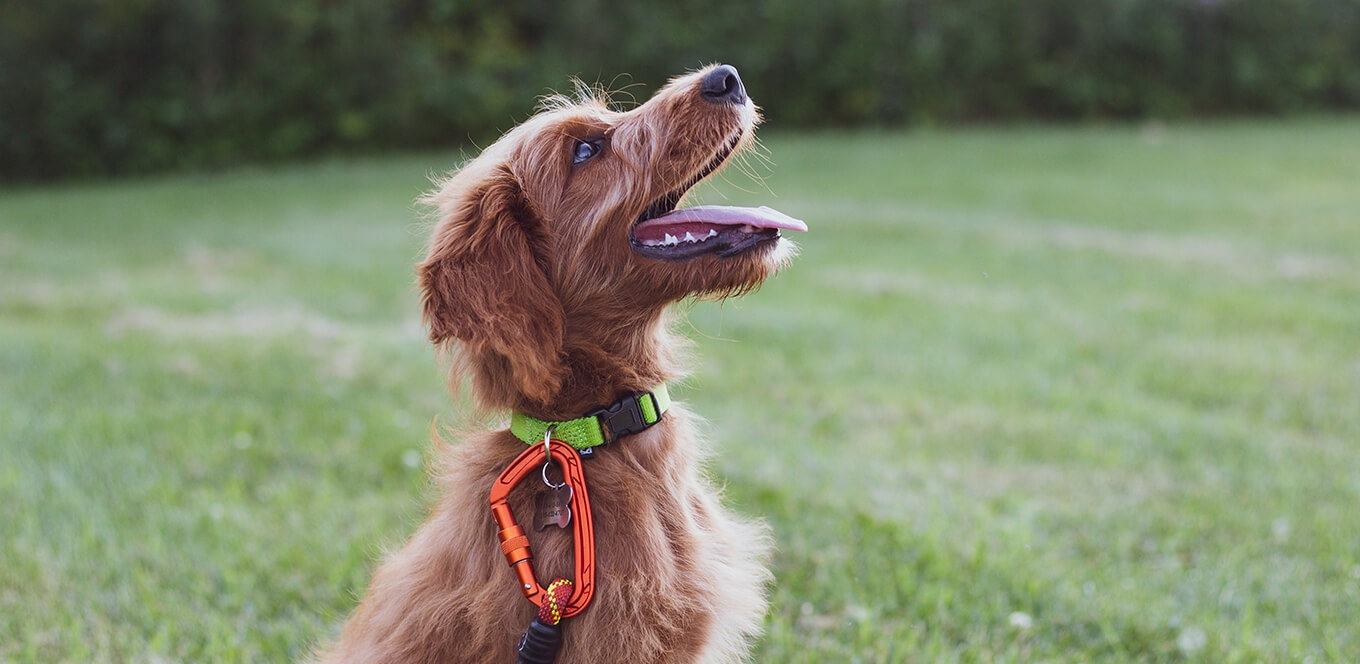
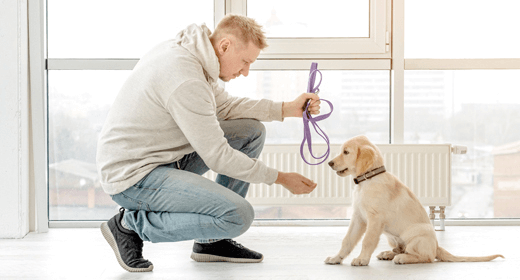
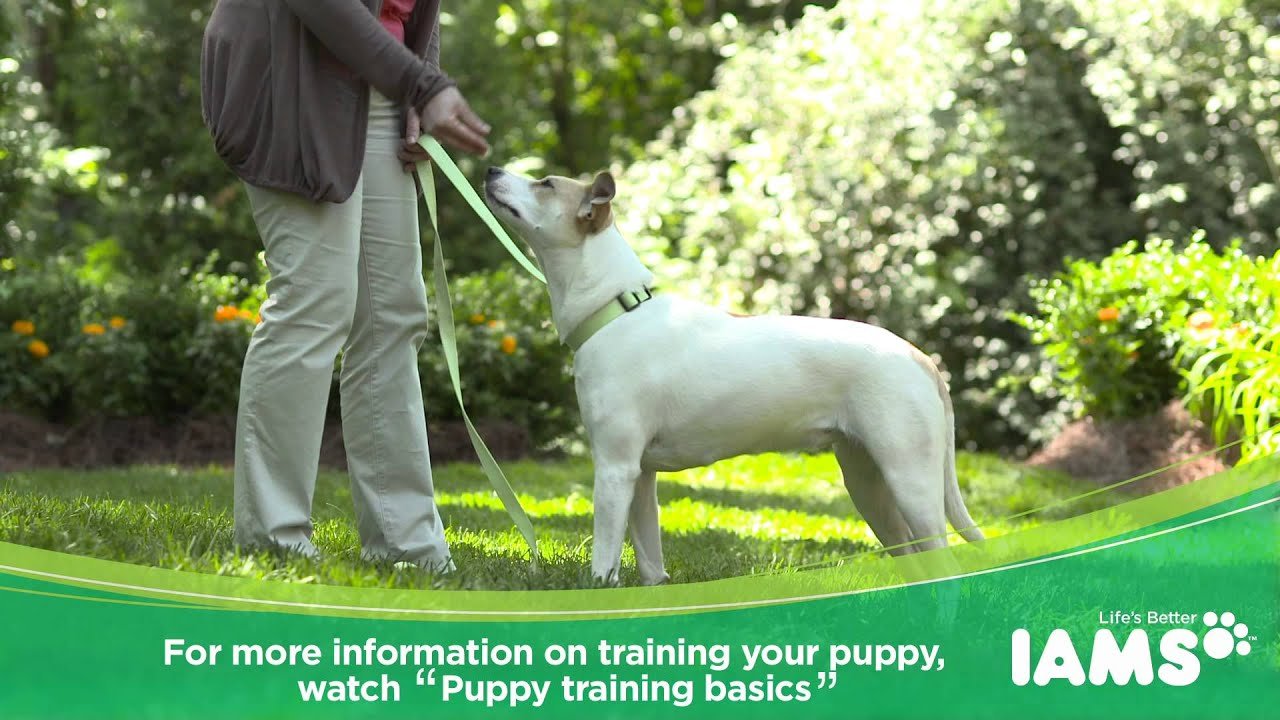
You want to take your new puppy out for a stroll; now, all you need to do is train him to walk on a leash. Watch as Expert Pet Trainer Kathy Santo show you how to walk your new family member.
Hi, I'm Kathy Santo with IAMS, and today we're going to talk about how to leash train your puppy. Once your puppy is around eight weeks old, you can begin leash training. The first thing you'll need is a collar or harness that fits your puppy appropriately, never too lose or too tight. You should be able to fit two fingers between the collar and your puppy's neck. When deciding between using a collar or a harness, there are a few things to consider. Does your puppy have any respiratory issues? Does your puppy pull when being walked on leash? Use a harness or head halter if your puppy pulls on leash, or has respiratory problems. Before you can jump right into training, you'll need to get your puppy used to wearing a collar and having the added weight of a leash. The best thing to do is have him wear the collar or harness and leash around the house, so he becomes used to the feeling. Be sure to keep an eye on your puppy to make sure he doesn't get trapped, caught, or accidentally injured. If your puppy is noticeably struggling, or looks scared, start off with a shoelace, or a small piece of rope, so he can get used to dragging only a little something around. This will help him get used to the added presence and weight of a collar and leash. Now for walking on a leash. The leash should have some slack, because when you put pressure on a dog, their natural reflex is to move or pull in the opposite direction. If you find that your puppy is afraid of walking with the leash, try placing treats along the route you know you'll be walking, to give him the notion that good times are ahead. That way, he learns to focus on what's ahead of him with curiosity, and not fear. As you begin walking your puppy, you will notice that your pace will sometimes have to be faster than you expect to retain slack in the leash. The more you work with your puppy, the quicker you'll be able to train him to slow down, while maintaining the needed slack. As you walk around, begin incorporating specific commands for your puppy. Basic commands include sit, stay, and heel, or let's go. Do your best to remain consistent with your commands, and guide your puppy through the learning process. For example, when you say sit, guide your puppy to sit until the command is recognized by the puppy. When you say heel, make sure your puppy is obeying your command before you start walking again. When your puppy starts to move ahead too quickly, come to a complete stop and wait for him to cease pulling before going forward. Practice his stop and go, never allowing your puppy to dictate your pace. If your puppy continues to pull on his leash, ask him to change directions, while saying 'turn.' This will condition your puppy to always look for you for direction, instead of him feeling like he can dictate where the two of you go next. I also like to run backward, and then switch to a different direction. This gets your puppy excited about chasing you. Remember to reward your puppy when he does the right thing, so that he begins to understand what you're asking him for. If your puppy still isn't catching on, try upgrading your treats, practicing in an area with fewer distractions, or working on more basic commands. Leash training takes time and patience. Both you and your puppy may get frustrated during the learning process. Do your best to avoid tugging. It's not fair to correct them for something they don't understand. As your dog enters adolescence, and clearly knows the difference between right and wrong, it's OK to give a slight occasional tug on his leash, if he insists on being difficult. If you remain patient and consistent with your puppy, he'll be leash trained in no time. I'm Kathy Santo with IAMS, and I hope that you found this helpful as you welcome your new addition to your family.