Enter a keyword below to search for articles and products.
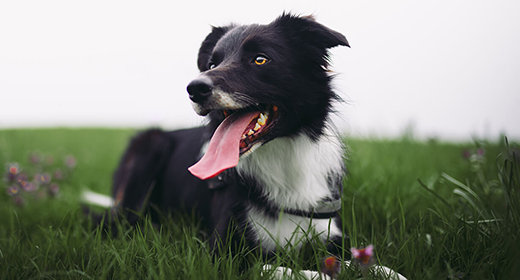
Chicken has been a widely popular and easily accessible source of protein for humans. However, when it comes to our canine companions, the role of chicken is a topic that demands exploration. From its countless health benefits to allergic reactions and dietary sensitivities, understanding the implications of incorporating chicken into a dog's meal plan is crucial for responsible pet care. Delve into the nuances of how chicken can serve as a valuable dietary component for dogs, uncovering the dos and don'ts that can help foster a balanced and nourishing diet for our beloved four-legged friends.
The short answer is yes, chicken is good for dogs. In fact, chicken is a common ingredient in many high-quality dog foods, owing to its rich protein content and relatively low fat. It provides essential amino acids that contribute to muscle development and overall health. However, it is crucial to prepare chicken appropriately for your furry friend as certain seasonings or cooking methods might be harmful.
While dogs are known to be natural carnivores, the consumption of raw chicken raises concerns. Raw chicken can potentially contain harmful bacteria such as salmonella or listeria, which pose health risks for dogs, just as they do for humans.
The consumption of raw chicken might lead to foodborne illnesses and digestive issues, causing vomiting, diarrhoea, or even more severe complications. Therefore, it is generally advised to thoroughly cook chicken before feeding it to your dog, eliminating any potential bacteria and making it safe for consumption.
While the appeal of a raw diet for dogs is gaining traction, the dangers of raw chicken consumption remain a significant concern:
Although rare, some dogs can develop allergies to chicken, resulting in various symptoms such as itching, skin irritation, gastrointestinal upset, and even respiratory issues. Chicken allergies in dogs are typically a response to specific proteins.
Dogs are omnivores, and aside from chicken, they can safely consume various other types of meat as part of a balanced diet.
Considering the risks associated with raw chicken consumption and potential allergies in dogs, seeking veterinary guidance is highly recommended. If your dog exhibits symptoms of an allergic reaction or has consumed raw chicken, a visit to the vet is crucial.
A veterinarian can conduct a thorough examination to identify the nature and severity of the allergic response and provide appropriate treatment options. Additionally, they can address any potential complications resulting from bacterial contamination, including gastrointestinal distress or other related health issues. Early intervention by a qualified veterinary professional can help mitigate the risks associated with food allergies and ensure the well-being of your canine companion.
Remember, the expertise of a veterinarian is essential, especially when it comes to handling food-related concerns. Seeking their advice and treatment can help safeguard your dog's health and prevent any further complications. Prioritising your dog's health and well-being through professional veterinary care can contribute significantly to their overall quality of life and long-term wellness.
Dogs can eat chicken, but the amount chicken should be in moderation, accounting for about 10% of their daily calorie intake, balanced with other nutrients for a complete diet.
Excessive chicken can lead to nutritional imbalances and potential health issues such as obesity or pancreatitis. Moderation is key.
Consumption of raw chicken can expose dogs to harmful bacteria like salmonella, leading to severe gastrointestinal problems, including vomiting and diarrhoea. Immediate veterinary attention may be necessary.
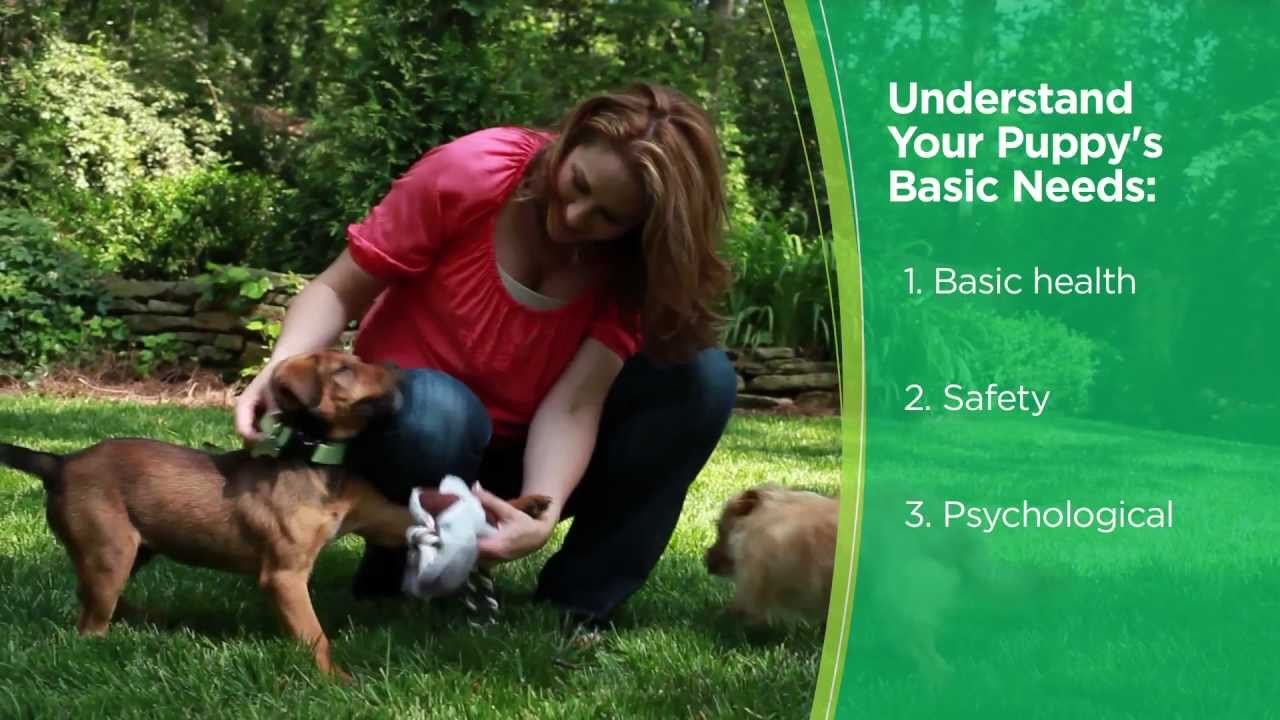
Watch as Veterinarian Dr. Katy Nelson shares all the basics of building a positive relationship with a puppy. You’ll learn everything from taking care of your puppy’s basic needs to socialization. When all is said and done you’ll learn how a happy puppy makes for a happy owner as well.
Hi, I'm Dr. Katy Nelson with IAMS, and today we're going to talk about how to take care of your puppy. First and foremost, you want to understand and meet your puppy's needs. Here they are in order of importance. Number one: basic health-- water, nutrition specifically formulated for puppies, and sleep. Also, immunizations and regular checkups are recommended. Number two: safety. As with small children, you need to keep your puppy in an environment that is safe for him. Puppies explore with their mouths, and they learn about different textures by gnawing. Also, chewing helps massage their gums. For your puppy's safety, keep things that he or she should not be chewing on out of reach. Number three: psychological. Your puppy's greatest psychological need is to be part of a group and be socialized with other dogs. However, to do this successfully, you need to be a guardian he can depend on. Once your puppy's basic needs are met, you want to understand the way he sees the world, so that you can build a strong relationship. Your puppy does not understand the world you live in, so you cannot expect him to. Two things you need to understand is that to them, everything is edible, and they will lunge at anything exciting—you, kids, guests, and other animals, until you train them not to. Praise him exuberantly to encourage the right behavior. Give him treats, pet him, play with him, and be stern to discourage the wrong behavior—ignore him, stop petting, or stop playing. Most importantly, be patient and consistent. Don't be harsh. Puppies have lots of energy, and it's healthy for them to use it. Periodically, helping your puppy release energy will minimize his urge to dig and chew on things. Spend time out in the yard making him run in short bursts. Go on walks or play fetch. Puppies are used to playing with their brothers and sisters. When they're separated, they're looking for their next playmate. Playing with your puppy will also make him more focused on you, improving your bond and making training easier. It teaches him new behaviors, self-control, and will help him gain self-confidence. Like play, socialization is also fundamental to raising your puppy. This is why socializing your puppy as soon as you bring him home is important for both of you. Socialization teaches your puppy to be calm in stimulating circumstances, and to obey when instructed. It also gets him used to being touched, handled, and even used to having hands and inedible things in and near his mouth, so that he behaves around other people, kids, and his veterinarian. Also, know that puppies are sensitive. They can read facial expressions and emotions. Be consistent about what things your puppy does that make you express happiness. Also, be careful not to give your puppy reason to think he's at blame for negative emotions you have from other areas of your life, like when you've had a bad day at work. Emotions are contagious. The happiest puppies tend to be in the most positive and loving households. I'm Dr. Katy Nelson with IAMS, and I hope that you found this helpful as you welcome your new addition to your family.