IAMS MY
Our Favorite Tips to Train a Kitten

adp_description_block113
Training Your Kitten for a Lifetime of Good Behaviour: Tips for a Purrfect Companion

  • Share

Bringing a new kitten into your home is an exciting time for any pet lover. As your furry little bundle of joy grows and develops, it's important to remember that proper kitten training is essential for its physical and behavioural well-being. In the crucial growing years, a kitten's brain is like a sponge, absorbing information and learning new skills at an incredible speed. With proper guidance and loving touch, you can ensure that your kitten grows into a well-adjusted, happy, and healthy family member. This blog post will share tips to train your kitten and provide them with the best possible start in life.
 

Tips to train your kitten

As a new kitten parent, it's important to understand that kitten training should be a fun and positive experience for you and your furry friend. You can teach your kitten everything from basic commands to good manners with patience, consistency, and a few simple tips. Here are some of our top tips for training your kitten:


  1. Teach important commands

    Teaching your kitten to sit is the first step in training. Start by holding a treat in front of their nose and slowly moving it up and over their head. As they look up to follow the treat, their bottom should naturally lower to the ground. As soon as they sit, say 'sit' and give them the treat. Repeat this process several times a day until they understand the command.
     

  2. A place to call their own

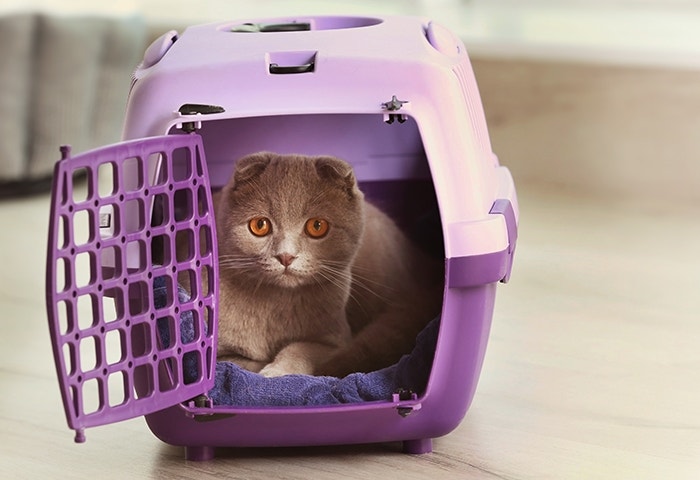
    Crate training is an excellent way to provide your kitten with a safe and comfortable space to call their own. Start by placing a soft blanket and a few toys inside the crate. Let your kitten explore the crate on their own and reward them with treats and praise when they go inside. Over time, you can start closing the door for short periods and gradually increase the duration.
     

  3. Exploring the world around them

    Socialization is an important part of kitten training. Start by introducing your kitten to friends, family, and other pets. Take your fur baby on short car rides and expose it to sights, sounds, and smells. The more it is exposed to different people, animals, and environments, the more confident and well-adjusted it will be as an adult.
     

  4. Playtime is important!

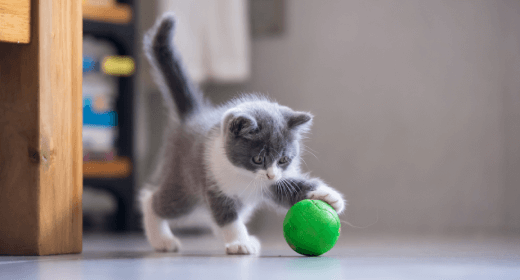
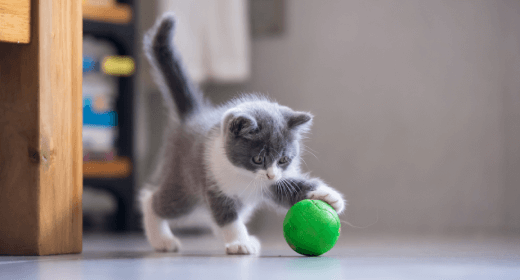
    Training your kitten to play with toys is a great way to stimulate it mentally and physically. Start by introducing your purrfect pal to various toys and see what interests it the most. Once it is engaged, you two can indulge in fun games like fetch, chase, and tug of war.
     

  5. Potty training

    Litter training is an essential part of kitten training. Start by placing your kitten in the litter box after meals and naps. When they use the litter box, reward them with treats and praises. Be sure to clean the box regularly and keep it in a quiet, accessible location.
     

  6. Dining etiquette for kittens

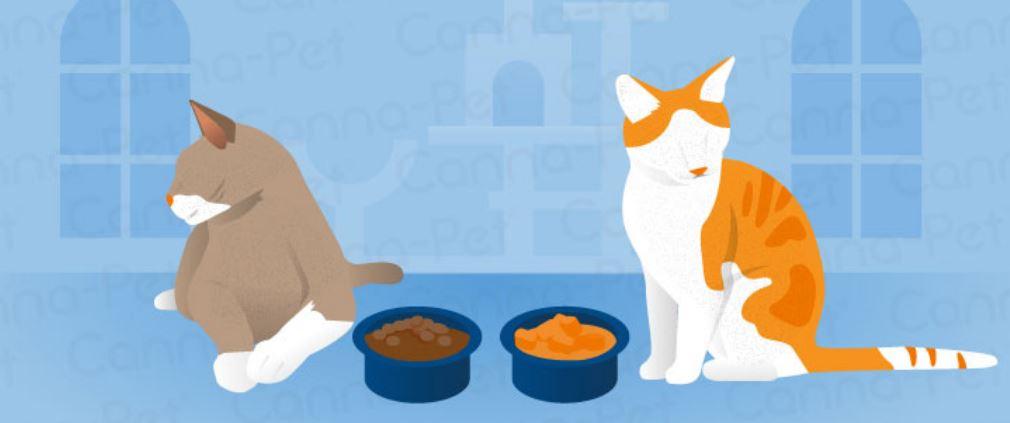
    Teaching your kitten proper feeding etiquette is important for its overall health and wellbeing. Start by teaching them to eat from a bowl and not to beg at the table. Be consistent with their feeding schedule and monitor their weight to ensure they receive full nutrition.
     

  7. Make them recognize their name

    Teaching kittens to recognize their name is an important step in training. Start by calling their name and rewarding them with treats and praises when they respond. Be consistent with their name and use them as much as possible.

    Overall, training your kitten is an ongoing process that requires patience and consistency. Remember to use positive and reward-based training methods. And most importantly, have fun! Make sure to give your kitten lots of love, praises, and treats as they learn and grow.

Our Favorite Tips to Train a Kitten

Frequently asked questions

  1. Are kittens easy to train?
  2. It is possible to train kittens, but it may be more difficult than training older cats. Kittens are playful and easily distracted, which can make training more challenging. Additionally, their developing brains may not fully understand certain commands or behaviours. However, with patience and consistency, kittens can learn basic commands and behaviours such as using a litter box and responding when called. It's important to start training and socializing kittens early to ensure they grow into well-behaved adult cats.


  3. What is the best age to train a kitten?
  4. The best age to train a kitten is around 8-12 weeks old. At this age, kittens are more receptive to learning and are less likely to have developed bad habits. It is also important to consult with a veterinarian before starting any training to ensure the kitten is healthy and ready for training.


  5. How do you bond with your kitten?
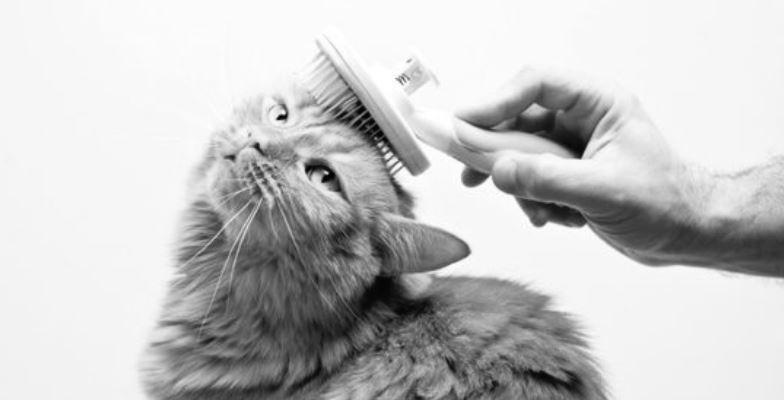
  6. To bond with your kitten, you can spend quality time with it. Indulge in activities like playing, grooming, and cuddling. Establishing a consistent routine and providing it with proper socialization, training, and medical care is also important to have a healthy relationship with your kitty. Consult with your veterinarian for specific recommendations.


  7. How do you tell your kitten a 'No'?
  8. To tell your kitten a "no", use a firm, but not harsh tone and gently redirect its behaviour. Consistency and positive reinforcement for good behaviour can also help kittens understand what is and is not acceptable. Consult with a veterinarian or animal behaviourist for additional guidance.


  9. How long does it take to train a kitten?
  10. It typically takes several months to train a kitten. Consistency and patience are key as kittens have short attention spans and may not fully understand commands until they are around 6 months old. Working with a veterinarian or professional trainer is important to ensure that proper training techniques are used.


  • Why adding chicken to your cat’s diet is essential for their health
    Why adding chicken to your cat’s diet is essential for their health
    adp_description_block329
    Why adding chicken to your cat’s diet is essential for their health

    • Share

    AMS Cat Food offers chicken as number 1 source to build up cat’s nutrition and immunity 


    Author: Dr. Cissy Ramos

    To help owners better maintain the health and development of their cats, IAMS has developed a line that is uniquely tailored for cats’ needs and has chicken as its number one ingredient. IAMS Cat food includes Taurine as an additional supplement for natural variability and production process.

    A study conducted by WALTHAM Centre for Pet Nutrition reports that cats prefer food that is similar to their natural prey such as mice or birds. Likewise, the evolutionary ancestors of cats did not consume fish. 

    Cats are considered as strict carnivores and they’re still highly related to their ancestors. Their teeth and skull conformation are actually designed to hunt and kill prey efficiently.

    In fact, cats are obligate carnivores and they eat meat out of biological necessity. The same study also found that 52% of a cat's calorie intake is from protein, which can be synthesized best through animal-based protein. Therefore, cats require quality protein sources to be included in their diet for sustenance. 

    Animal-based protein can help cats maintain healthy muscle structures and provide them with natural forms of amino acids. Adding certain sources of protein, especially animal sources, cats can easily process it, break it down, and use it up in their body. Animal sources proteins like chicken can greatly contribute to the quality of protein in their diet and they do get appropriate amount of essential amino acids from it.

    In total, cats can internally produce 11 essential amino acids. ​However, the remaining 11 categories of amino acids can only be provided through a nutritious diet to meet their needs. When you have good quality protein, the cat can receive a good amount of amino acids that are important for its health. The protein from chicken contains multiple levels of essential amino acids, such as Lysine, Phenylalanine, Arginine, and Taurine.

    Cats can get a great amount of Lysine from chicken. If there is deficiency in Lysine, the side effects would be low appetite and depression for cats.

    Another crucial essential amino acid for cats would be Phenylalanine. If cats have a low amount of Phenylalanine, there are instances that black cats can turn into brown cats because Phenylalanine is in charge of production of melanin for cats. It’s not just for the coloring but that’s the most obvious sign that there’s a deficiency.

    Cats need more Taurine compared to other mammals as it supports excellent eyesight. We know for a fact that cats are hunters, and they need good eyesight for that.

    Taurine, an especially essential amino acid for cats, is a critical component that supports heart muscle function, vision, digestion, and fetal development. The recommendation of Taurine for cats is around 35 to 55 milligrams of Taurine per kilogram per day. In fact, low levels of Taurine in kittens can lead to blindness, heart failure, congenital defects, and poor immune response. 

    It is necessary for cat owners to choose a diet that is made by a trusted brand like IAMS: palatable, complete, balanced, contains high quality protein, and enriched with amino acids. This will play a key role for the proper development and normal functioning of cats and enhance their wellness.  

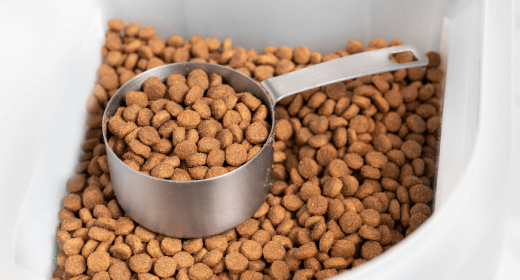
    The importance of considering the life stage of cats when feeding them is also crucial for cat’s nutrition. With this, IAMS food products offer different varieties of cat foods–dry or wet and for each life stage. For each life stage, there are specific recommendations for the amount to feed and the levels of nutrients that they need.

    IAMS cat food is formulated with colostrum and contains DHA found in mother’s milk for kittens cognition, as well as a signature blend of wholesome fiber and FOS natural prebiotic for healthy digestion. IAMS is scientifically proven to help increase the level of Vitamin E in your cat for healthy natural defense.

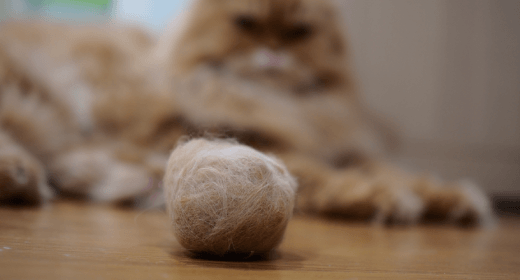
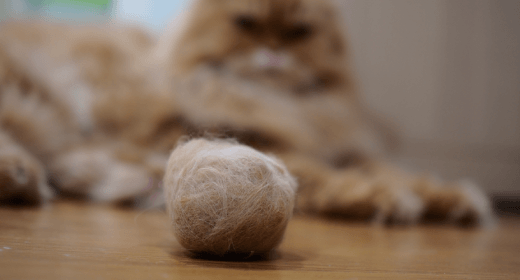
    In addition, IAMS food products can help address specific health concerns in cats. Cats habitually groom themselves and have a tendency to ingest their fur. Of course, the risk of hairball formation is much higher for long-haired cats. Additionally, indoor cats tend to be obese due to overfeeding, inactivity, or sometimes it is simply caused by genetics.

    IAMS offers hairball formula which cater to cats in order to reduce the passage of hair in the cat’s digestive tract. . IAMS also offers cat food that is specifically designed for weight management for cats who are obese. 

    Having protein in your cat’s diet is vital for its overall health and long-term wellbeing. For more information about IAMS Cat visit https://iams.asia/my/. IAMS Cats is available at all leading supermarkets and grocery stores nationwide. 

Close modal