Bringing a new kitten into your home is an exciting time for any pet lover. As your furry little bundle of joy grows and develops, it's important to remember that proper kitten training is essential for its physical and behavioural well-being. In the crucial growing years, a kitten's brain is like a sponge, absorbing information and learning new skills at an incredible speed. With proper guidance and loving touch, you can ensure that your kitten grows into a well-adjusted, happy, and healthy family member. This blog post will share tips to train your kitten and provide them with the best possible start in life.
As a new kitten parent, it's important to understand that kitten training should be a fun and positive experience for you and your furry friend. You can teach your kitten everything from basic commands to good manners with patience, consistency, and a few simple tips. Here are some of our top tips for training your kitten:
Teaching your kitten to sit is the first step in training. Start by holding a treat in front of their nose and slowly moving it up and over their head. As they look up to follow the treat, their bottom should naturally lower to the ground. As soon as they sit, say 'sit' and give them the treat. Repeat this process several times a day until they understand the command.
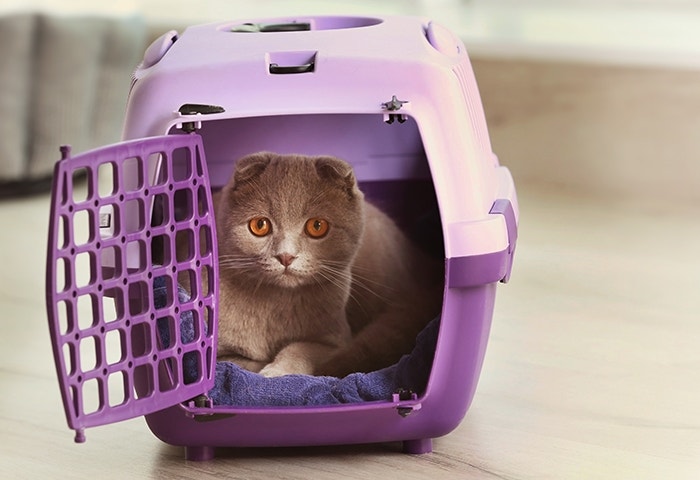
Crate training is an excellent way to provide your kitten with a safe and comfortable space to call their own. Start by placing a soft blanket and a few toys inside the crate. Let your kitten explore the crate on their own and reward them with treats and praise when they go inside. Over time, you can start closing the door for short periods and gradually increase the duration.
Socialization is an important part of kitten training. Start by introducing your kitten to friends, family, and other pets. Take your fur baby on short car rides and expose it to sights, sounds, and smells. The more it is exposed to different people, animals, and environments, the more confident and well-adjusted it will be as an adult.
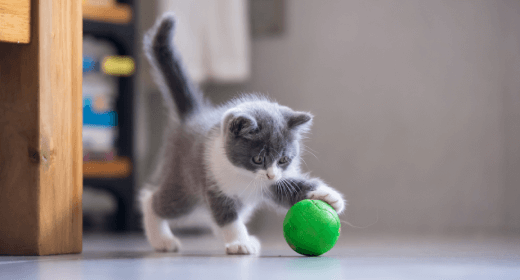
Training your kitten to play with toys is a great way to stimulate it mentally and physically. Start by introducing your purrfect pal to various toys and see what interests it the most. Once it is engaged, you two can indulge in fun games like fetch, chase, and tug of war.
Litter training is an essential part of kitten training. Start by placing your kitten in the litter box after meals and naps. When they use the litter box, reward them with treats and praises. Be sure to clean the box regularly and keep it in a quiet, accessible location.
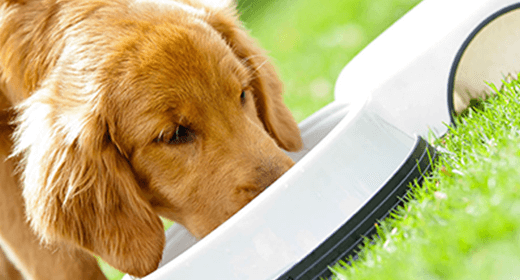
Teaching your kitten proper feeding etiquette is important for its overall health and wellbeing. Start by teaching them to eat from a bowl and not to beg at the table. Be consistent with their feeding schedule and monitor their weight to ensure they receive full nutrition.
Teaching kittens to recognize their name is an important step in training. Start by calling their name and rewarding them with treats and praises when they respond. Be consistent with their name and use them as much as possible.
Overall, training your kitten is an ongoing process that requires patience and consistency. Remember to use positive and reward-based training methods. And most importantly, have fun! Make sure to give your kitten lots of love, praises, and treats as they learn and grow.


It is possible to train kittens, but it may be more difficult than training older cats. Kittens are playful and easily distracted, which can make training more challenging. Additionally, their developing brains may not fully understand certain commands or behaviours. However, with patience and consistency, kittens can learn basic commands and behaviours such as using a litter box and responding when called. It's important to start training and socializing kittens early to ensure they grow into well-behaved adult cats.
The best age to train a kitten is around 8-12 weeks old. At this age, kittens are more receptive to learning and are less likely to have developed bad habits. It is also important to consult with a veterinarian before starting any training to ensure the kitten is healthy and ready for training.
To bond with your kitten, you can spend quality time with it. Indulge in activities like playing, grooming, and cuddling. Establishing a consistent routine and providing it with proper socialization, training, and medical care is also important to have a healthy relationship with your kitty. Consult with your veterinarian for specific recommendations.
To tell your kitten a "no", use a firm, but not harsh tone and gently redirect its behaviour. Consistency and positive reinforcement for good behaviour can also help kittens understand what is and is not acceptable. Consult with a veterinarian or animal behaviourist for additional guidance.
It typically takes several months to train a kitten. Consistency and patience are key as kittens have short attention spans and may not fully understand commands until they are around 6 months old. Working with a veterinarian or professional trainer is important to ensure that proper training techniques are used.

fibre is a vital component in a cat's diet, categorised as soluble and insoluble. Soluble fibre, dissolving in water, regulates blood sugar and lowers cholesterol, while insoluble fibre adds bulk, aiding in digestive movement. Crucially, fibre remains undigested, with some types fermenting to produce short-chain fatty acids (SCFA). These SCFAs serve as a key energy source for the cells lining the intestinal tract, fostering a healthy gut environment. fibre for cats also promotes weight management by inducing a sense of fullness, preventing overeating.
Balancing fibre in cat food is crucial, as excess may lead to nutrient malabsorption. Monitoring fibre types and amounts is vital for optimal feline health, ensuring digestive regularity. Striking this balance supports longevity and vitality in cats, making fibre an indispensable element in their overall well-being.
Today, people are more aware of fibre and its role in their diet. Studies showing the beneficial effects of higher fibre levels in humans influence the way many people think about their own food and that of their pets. Some manufacturers now apply the recommendations of human nutritionists and make high-fibre diets for cats, but cats have a much shorter digestive tract than we do. And unlike humans, cats are carnivorous, so their nutritional needs are better satisfied with meat rather than plant matter. Therefore, cats have different dietary needs than humans. For more than 60 years, companion animal nutritionists at IAMS™ have been studying diets to meet the special nutritional needs of cats.
The feline microbiome constitutes a diverse community of microorganisms, residing predominantly in the gastrointestinal tract. This intricate system of bacteria, viruses, and fungi significantly impacts a cat's health. It plays a crucial role in digestion, influencing nutrient absorption, supporting immune function, and even affecting behavioural patterns. The delicate balance within the microbiome is essential for the overall well-being of the cat, making it a key focus in understanding and optimising feline health.
When it comes to feline nutrition and gut health, the impact of fibrous foods on a cat's microbiome is driven by processes essential for maintaining gastrointestinal balance. Listed below are some interactions and their impact on your cat:
When cats consume fibrous foods, their gut microbiome undergoes a dynamic response, adapting to the influx of indigestible fibres.
Certain fibres for cats function as prebiotics, fostering the growth and activity of beneficial bacteria, such as Bifidobacteria and Lactobacillus, which are essential for gut health.
fibre fermentation by gut bacteria results in the production of short-chain fatty acids (SCFAs), including acetate, propionate, and butyrate.
SCFAs play a pivotal role in nourishing the cells lining the intestinal tract, contributing to mucosal integrity, nutrient absorption, and overall gut function.
fibre-induced fermentation also produces gases and by-products, influencing the pH of the gut environment, creating an environment that discourages harmful pathogens.
IAMS Company research shows the optimal crude fibre level for healthy cat’s ranges from 1.4% to 3.5%. At these levels, nutrient breakdown is maximised. In unique situations, such as hairballs, higher fibre levels may be beneficial.
An important characteristic of fibre is its fermentability, or how well it can be broken down by bacteria in the intestine. This breakdown produces short-chain fatty acids, which provide energy to the intestines. fibre varies in fermentability. fibre sources used in pet foods include cellulose, which is poorly fermentable; beet pulp, which is moderately fermentable; and gums and pectin, which can be highly fermentable. Research has shown that moderate levels of moderately fermentable fibre, such as beet pulp, provide the benefits of energy for the intestinal lining and bulk, without the negative effects of excessive stool or gas and, therefore, are beneficial in cat diets.
Incorporating high-fibre cat food into your feline’s diet offers various health benefits, contributing to their overall well-being. Here is a breakdown of the advantages and how they positively impact feline health:
High-fibre cat food promotes optimal digestive regularity in cats by adding bulk to the stool. This helps prevent issues such as constipation and ensures smoother bowel movements, contributing to overall gastrointestinal health.
The inclusion of fibre in cat food provides a feeling of fullness without adding excessive calories. This can be beneficial for weight management, as it reduces the likelihood of overeating and helps control calorie intake, supporting healthy body weight.
Increased fibre intake aids in controlling and reducing hairballs in cats. The fibrous content helps bind hair together, facilitating its passage through the digestive tract and minimising the risk of hairball-related issues.
fibre-rich cat food diets play a crucial role in managing diabetes in cats. The slow digestion and absorption of carbohydrates associated with increased fibre can help regulate blood sugar levels, providing better glucose control for diabetic cats.
Soluble fibre for cats, found in high-fibre foods, has cholesterol-lowering properties. By binding to cholesterol molecules and promoting their excretion, soluble fibre contributes to maintaining healthy cholesterol levels, supporting cardiovascular well-being in cats.
High-fibre diets are often recommended for cats with specific medical conditions, such as obesity, diabetes, or certain gastrointestinal disorders. The advantages of fibre, including weight management and blood sugar regulation, make it a valuable component in the overall treatment and management of these conditions.
While low-fibre cat food is recommended in certain cases, it is essential for cat parents to be aware of potential drawbacks that can impact their feline companion's health and well-being.
A diet low in fibre may contribute to constipation issues in cats as it lacks the bulk necessary for proper bowel movement regulation. This can result in discomfort for the cat and potential complications if not addressed promptly.
Low-fibre foods might compromise the overall efficiency of the cat's digestive system, potentially leading to inadequate nutrient absorption. This could impact the cat's overall health and vitality, making it crucial to monitor its digestive well-being.
While low-fibre diets are often associated with weight loss, they may also pose a risk of obesity if not carefully monitored. Cats might consume more to compensate for the reduced caloric content, emphasising the need for vigilance in managing portion sizes.
Cats on a consistently low-fibre diet may face challenges in obtaining a balanced array of essential nutrients, potentially leading to nutritional imbalances and health issues.
Being aware of these potential downsides helps cat parents make informed decisions about their feline’s diet, promoting overall feline well-being.
When choosing a pet food, fibre is an important consideration, but remember that the needs of cats are not the same as those of humans. A moderate level of moderately fermentable fibre, such as beet pulp, provides proven nutritional benefits for cats. Cat diets containing high levels of poorly fermentable fibre dilute calories and deprive cats of the nutrients they need.
All IAMS products are made with levels of moderately fermentable fibre needed to promote intestinal health. And all IAMS foods, such as IAMS ProActive Health™ Adult Original with Chicken, contain the moderately fermentable fibre system, which is the exclusive property of IAMS Company and is protected by U.S. Patent No. 5,616,569 for Pet Food Products Containing Fermentable fibres and Process for Treating Gastrointestinal Disorders.
Ensuring your feline companion meets their daily fibre requirements is crucial for their overall well-being. IAMS cat food offers a balanced and convenient solution to help achieve this goal. Here's a guide on maintaining your cat's daily fibre quota using IAMS:
IAMS cat food provides detailed nutritional information on the label. Check for the fibre content to understand how it contributes to your cat's daily requirements.
IAMS offers a range of cat food varieties, including formulas designed for specific needs such as weight control, hairball management, and digestive health. Select a variety that aligns with your cat's individual needs.
If you're introducing a new IAMS formula to your cat, make the transition gradual to allow their digestive system to adjust. This helps prevent any sudden changes in fibre intake.
Every cat has unique dietary needs. Consult with your veterinarian to determine the optimal daily fibre quota for your cat based on factors such as age, weight, and health conditions.
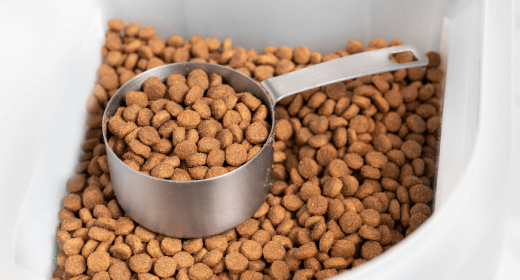
IAMS provides feeding guidelines on the packaging. Monitor and adjust portion sizes based on your cat's activity level and weight management goals to ensure they receive an appropriate amount of fibre.
IAMS offers both wet and dry cat food options. Combining both varieties can offer a well-rounded diet, ensuring your cat receives a mix of moisture and essential nutrients.
Regular veterinary check-ups help monitor your cat's overall health, including their digestive well-being. Discuss any concerns about fibre intake or dietary preferences with your veterinarian during these visits.
By incorporating IAMS cat food into your cat's diet and following these guidelines, you can provide nutritionally balanced and fibre-rich cat food that supports their digestive health and overall vitality.