IAMS MY
Kitten and cat adoption basics

adp_description_block137
All You Need To Know Before Adopting A Cat

  • Share

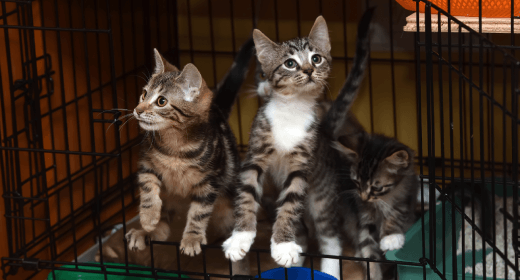
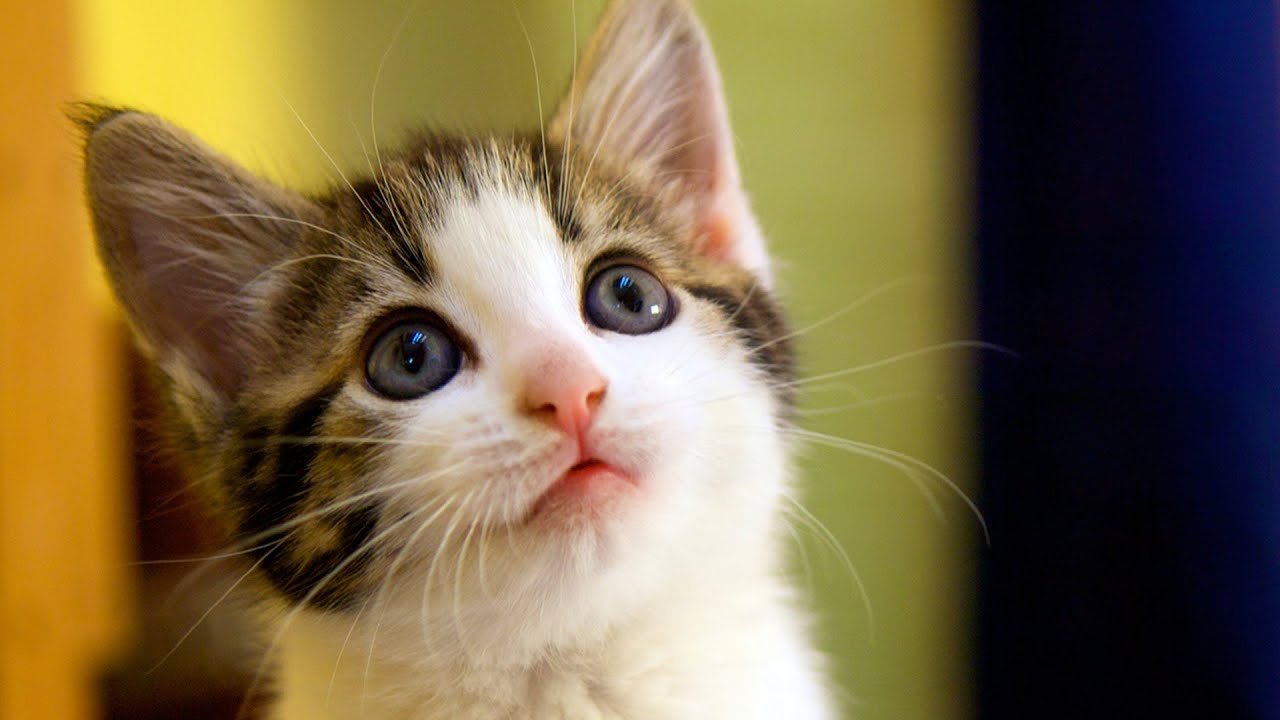
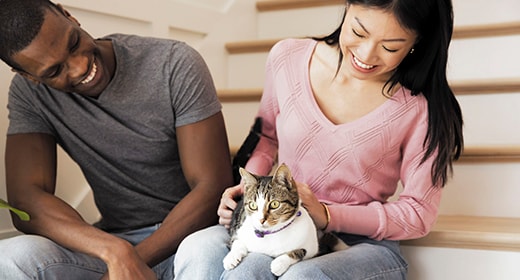
Adopting a cat can see you develop one of the most beautiful bonds of your life as you connect with your feline friend. Cats are playful creatures who can be very affectionate and form a strong relationship with you. Every time you play with your cat or simply spend time with them, you may notice a significant drop in stress levels and experience a boost of happiness. However, it is important to remember that cat adoption is a big decision which comes with a lot of responsibilities. Your home will become the cat’s home and you become their family. To ensure they get the best possible future with you, there are a few things that you need to understand before proceeding with cat adoption.
 

Things to consider before cat adoption

Whether you are opting to adopt a kitten or a grown cat, here are some things you need to consider before going through with the entire process.
 

  1. The cat will need to be spayed/neutered:

    If the cat has not been spayed or neutered already at the time of adoption, you will need to get this done. If you are adopting a kitten, you will need to get them spayed/neutered once they are of suitable age. Do talk to the shelter house and a vet for more information on the procedure.
     
  2. Proceed with cat adoption only after reviewing your routine:

    If you lead a busy lifestyle, you will need to consider how you will make time for your cat. This includes taking care of your cat and maintaining their feeding times. You will need to dedicate your time to planning the right cat food, serving meals at proper intervals, and ensuring that you can make time for play too.
     
  3. Adoption is a long-term commitment:

    Adoption is a permanent duty and a bond that lasts for a lifetime. When you bring home a rescued cat or adopt one from a shelter, you are providing the animal with new hope. The cat will be a member of your family and you will need to treat them as such. The lifespan of cats generally ranges from 12 to 20 years, and this is how long your commitment will be. Only once you have considered the enormity of your decision and are ready for it, should you go through with cat or kitten adoption.


Providing favourable conditions for the adopted cat

Before you bring home an adopted or a rescued cat, you will need to make a few changes in your house to create favourable conditions for them. You can begin by doing the following:

  1. Remove items that can be toxic to a cat, like certain plants or chemical agents.
  2. Cover up exposed electrical wires in a way that the cat can’t reach them (since they might try to chew up the wire, which can lead to a severe accident).

  3. Prepare your kids and teach them the basics of being responsible around a cat.

  4. Keep a special room or space for the cat, so they can feel safe and get a sense of belonging.

  5. Find a vet near your area where you can take the rescued cat for regular check-ups.


What are some benefits of cat adoption?

Adopting a cat also has many benefits such as:
 

  1. You help a cat in need:

    If you adopt a cat instead of buying one, you will be helping a cat in need. You will be giving a rescued cat much-needed shelter, their own space, and a family that loves them.
     

  2. The cat will most likely be trained:

    A cat that is adopted from a shelter will already be trained in basic activities like feeding from a bowl and using a scratching post.
     
  3. You can adopt a cat based on their personality:

    One of the biggest benefits of adopting a cat from a shelter is that they often have an already established personality. This makes it easier for people to adopt a cat that best suits their lifestyle.
     

Factors to keep in mind when adopting a cat

When adopting a cat, here are a few factors you should keep in mind:

  1. Presence of other pet cats:

    If you have other cats at home, you will need to adopt a cat that likes their company. You can talk to the shelter home about this, so they direct you to cats who bond well with other cats. 
     

  2. The inevitable costs:

    Adopting and taking care of cats means having to bear quite a few costs – costs of regular vet visits, medicines, foods, toys, and more. Moreover, if you are bringing home a rescued cat, they may require even more care and attention from a vet. So, do consider these costs before proceeding with the adoption.
     
  3. Your routine:

    When you adopt a cat, you should be able to make time for them and give them proper care and attention. You can also consider adopting a cat whose lifestyle matches yours. For instance, a cat who likes being independent can be a perfect choice for someone who is often busy.


Essentials to purchase for your cat

To give your cat the best life, ensure that you have all of the following essentials:

  1. Food and water bowls
  2. Litter box
  3. Scratching post
  4. Toys
  5. Cat nips
  6. Cat grooming equipment
  7. A durable carrier or crate
  8. Cat bed
  9. Collar with an ID tag

Frequently asked questions

  1. What is the best age cat to adopt?
  2. If you are looking to adopt a kitten, the age of the kitten should ideally be 12 weeks. At 12 weeks of age, kittens are ready to move into a new home. You can also adopt a middle-aged cat that is younger than 10 years. Middle-aged cats usually have developed a personality which makes it easy to adopt them. Cats are also at their healthiest during this time. Adopting an elderly cat, who is over 10 years of age, also has some benefits. For instance, senior cats will already have a developed personality, and will most likely be less active and prefer staying indoors.


  3. What basics do you need for a cat?  
  4. A few basic things that you need for a cat are food and water bowls, a litter box, a scratching post, some toys, cat nips, some cat grooming equipment, a carrier or a crate, a cat bed, and a collar with an ID tag.


  5. What is the first thing you should do when you get a cat?  
  6. The first thing you should do after you bring a cat home is to make them feel safe and secure. The cat may feel nervous at first and might take time to open up and get used to you. Give your new pet the time and space they require, and they will adapt to you. Meanwhile, you should also have good quality cat food, food bowls, and water bowls ready at hand.


  7. How long does it take for a cat to bond with you?  
  8. There are a lot of factors which affect how quickly a cat bonds with you. Some of these factors include how old the cat is, what kind of shelter they have grown up in, whether they had a home before that, and what kind of life they had in that home. Bonding also majorly depends upon your behaviour towards the cat. So, there is no definite number of days to answer this question. All you can do is show the most care and affection possible to the cat while also giving them the required space and time to connect with you.


  9. How long does it take an adopted cat to adjust?
  10. A lot of factors affect how quickly an adopted cat can adjust to their new home and new owner. These factors include the cat’s age, whether they had a home before yours, and whether they had a good life there. The cat’s ability to adjust also depends upon the circumstances that brought them to the shelter home and your behaviour towards them. It is best to be patient and wait for your feline friend to get used to their new life.


  • What You Should Know About Changing Your Cat’s Diet
    What You Should Know About Changing Your Cat’s Diet
    adp_description_block270
    Significance of Cat Wheatgrass

    • Share

    Wheatgrass is the fresh shoots of the wheat plant harvested before the grain sprouts. Although unusual, it is a common meal component for cats. Wheatgrass is rich in protein, carotene, and vitamins A, E, and C, making it an added source of nutrition for cats. Cats often nibble on wheatgrass and leafy greens to improve their digestion as fibres present in these plants aid in smoother bowel movement. However, it is important to ensure that your cat only feeds on organic and pesticide-free wheatgrass.

    Is cat wheatgrass suitable for all cats?

    Generally, all cats that are not allergic to wheatgrass can easily digest and benefit from its nutritional value of it. Wheatgrass for cats is a good source of vitamins, protein, and other essential nutrients. The fibre and selenium help in improving the cat’s gut health. However, you should identify if your kitty is allergic to wheatgrass before letting it nibble on wheatgrass. The following are some signs that will help you identify if your cat is allergic to wheatgrass:

    1. Excessive drooling
    2. Crusty papules
    3. Shedding
    4. Rashes

    Even if your cat is not allergic to wheatgrass, you must limit its consumption to less than 10% of its total caloric consumption. Wheat for cats is best served every alternate day instead of daily.

    The benefits of wheatgrass for cats

    While everyone knows wheatgrass for cats is beneficial for digestion, there are various other benefits of wheatgrass as well. The following are some of the many benefits of wheatgrass for cats:

    1. Weight loss: Cats are inherently carnivorous animals who hunt their prey in the wild. However, domesticated cats have no need to hunt which has led to a drastic increase in their weight. Snacking on wheatgrass while changing the cat’s diet helps in managing their weight better.
    2. Better immunity: One of the many benefits of wheatgrass for cats lies in its nutritional value. The amount of minerals, vitamins, fibre, and protein present in wheatgrass positively impacts the cat’s immunity system.
    3. Oral health: Cat wheatgrass is a healthier snacking option that cats can nibble on without damaging their teeth. Regular snacks can lead to tooth decaying of the kitty’s tooth. Switching to wheat snacks and wheatgrass can improve their dental and oral health as it is organic and healthier.
    4. Antiaging: Chlorophyll present in wheatgrass is known for being a blood booster. This component present in the wheatgrass works as an antiaging component. Consuming wheatgrass helps increase potent blood and makes your cat look and feel younger.
    5. Healthy kidney: Cats rely more on wheat, wheatgrass, and a greener diet when dealing with digestive and gastrointestinal issues. If you notice your cat munching on wheatgrass for cats then they might be dealing with some gut, digestive, or kidney-related issues. Hence, providing snacks such as wheat for cats helps you identify if your kitty needs a veterinarian’s appointment at the earliest for diagnosing their gastrointestinal and kidney health.
    6. Improved vision: Cat wheatgrass contains vitamins A, E, and C. Vitamin A is closely associated with improving vision. Therefore, munching on cat wheatgrass can improve your cat’s vision.

    Disadvantages of wheatgrass for cats

    While there are many advantages of wheatgrass and wheat for cats, there are a few considerations and disadvantages as well. Some of the demerits of excessive munching on wheatgrass for cats are as follows:

    1. Cats are carnivorous animals. Snacking on wheatgrass and wheat more than usual can cause harm to their overall health.
    2. Consuming too much wheatgrass can lead to diarrhoea and vomiting. Please consult a veterinarian doctor at the earliest if you notice your kitty excessively vomiting or pooping.

    Cat grass vs wheatgrass

    Most cat parents have a hard time differentiating between cat grass and wheatgrass. If you are one of them, fret not. We will understand the difference between the two in this section. 

    Cat food brands often market wheatgrass as cat grass. However, you must note that cat grass can be any grass, from barley and oats to wheatgrass and fescue. So, if you see a pack of cat food that says cat grass, check its label. Moreover, ensure that you opt for brands that use organic ingredients.

    Now that you know of the benefits of wheatgrass for cats, you can start adding the regulated amount of wheatgrass to their diet. Please consult a veterinarian before deciding to serve wheat or wheatgrass to your feline friend.

Close modal