Enter a keyword below to search for articles and products.
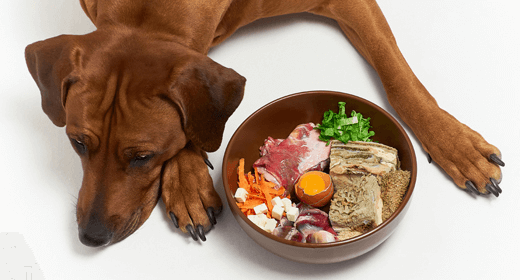
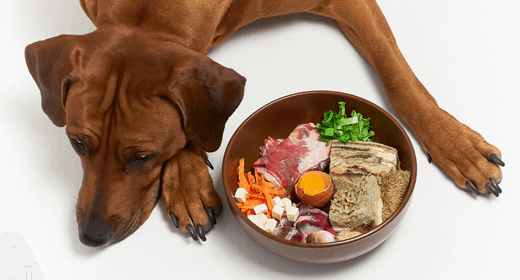
Protein is best known for supplying amino acids to build hair, skin, nails, muscles, tendons, ligaments, and cartilage. It also plays a main role in hormone production.
The protein in dog foods can be supplied by animal sources, plant sources or a combination of the two. High-quality animal-source proteins contain all of the essential amino acids dogs need, while a single plant-based protein might not contain adequate amounts of some essential amino acids.
Common animal-based protein sources used in pet food include chicken, lamb, fish, and beef.
Even though they are often fed plant-based diets, dogs are not herbivores. While dogs are technically considered to be omnivores—animals that eat both animal- and plant-based foods—they should be treated primarily as carnivores to better fulfill their specific nutritional requirements.
Dogs are members of the Canidae family. This family also includes the wolf, coyote, fox, and jackal. The ancestors and relatives of today's common dog hunted animals and ate them as a means of survival.
The body structure of domestic dogs is similar to that of their ancestors and relatives and is ideal for eating prey. Dogs have the enlarged carnassial teeth after which carnivores are named. Their gastrointestinal tract is simple and does not have the capacity to digest large amounts of plant products.
Animal-based proteins help dogs achieve optimal health.
Dogs are creatures of habit and can resist change when trying to switch their diets. It's important to completely stop feeding from the table. This is best accomplished by removing the pet from the kitchen during mealtimes. Be persistent when offering dry food. The pet may refuse to eat for several meals before deciding to give the food a try. Heating food in the microwave increases the aroma of the food and will often entice a pet to eat. Another alternative is to try mixing some wet food with the dry food, or topping it with a sauce or gravy specifically formulated for pets. Be assured that the pet eats to meet an energy need and will eventually begin to eat unless there is an underlying medical issue.
Keep in mind that the pet's stool should be small and firm. Most cases of constipation are temporary and due to dietary interruptions. Loose stools also are often temporary and can be due to dietary interruptions, as well as many other things, including an abrupt change in diet, overeating, parasites, medication, eating table scraps, viral or bacterial infections, and stress. If constipation or diarrhea persists, however, it is important to consult a veterinarian.
No. Dead grass is caused by a heavy concentration of urine—usually when a dog urinates in the same spot over and over. Try to train the dog to go to a designated, inconspicuous area of the yard. If this is impossible, try to hose the area as quickly as possible to dilute the urine. Sometimes the discoloration is due to acidic ground pH, which can usually be remedied with a lime treatment.