IAMS MY
Why Do Dogs Lick People?

adp_description_block243
Why Do Dogs Lick You? Common Reasons and Indications

  • Share

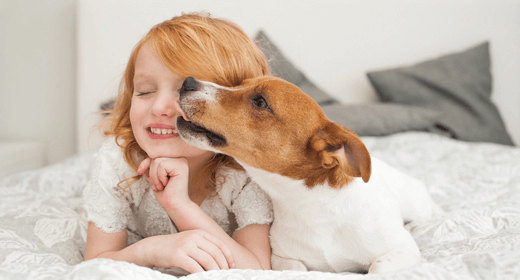
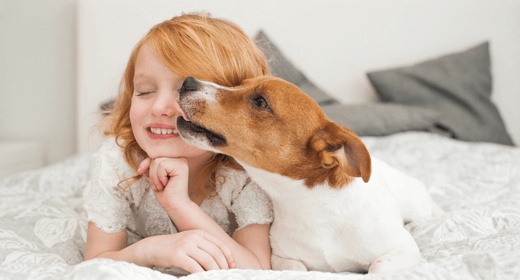
There’s no doubt that dogs are affectionate creatures. And they have numerous ways of showing it. One of these ways is by licking their owners. You may enjoy it when your furry friend comes up and gives you a big ol’ pooch smooch.  But why do dogs lick you? In a poll* of dog owners, IAMS™ found a large majority (75%) believe dogs lick people to offer signs of friendliness. That’s definitely a correct assumption. Let’s dive a bit deeper for a better understanding. 


Licking has been a social behaviour among dogs since the days of the great-great-great granddaddy wolf. 'It’s a standard canine greeting to lick others around the face,” agrees James Serpell, B.S., Ph.D., Professor of Humane Ethics & Animal Welfare at the University of Pennsylvania School of Veterinary Medicine. “Junior members of the pack will run around and lick the mouths of more senior members.” But is that all that there is to dog licking behaviour? Or are there more reasons why dogs lick people? Let’s find out!
 

licking fr dogs


Why do dogs lick people?

Here are a few reasons that can explain why dogs like to lick.  


  • It’s their way of showing affection

For dogs, licking is equivalent to kissing or showing affection. You may have noticed female dogs licking their puppies which is a behaviour that is intended to show affection. And your dog considers you part of their pack, so they show you affection the same way their kind does - by licking.


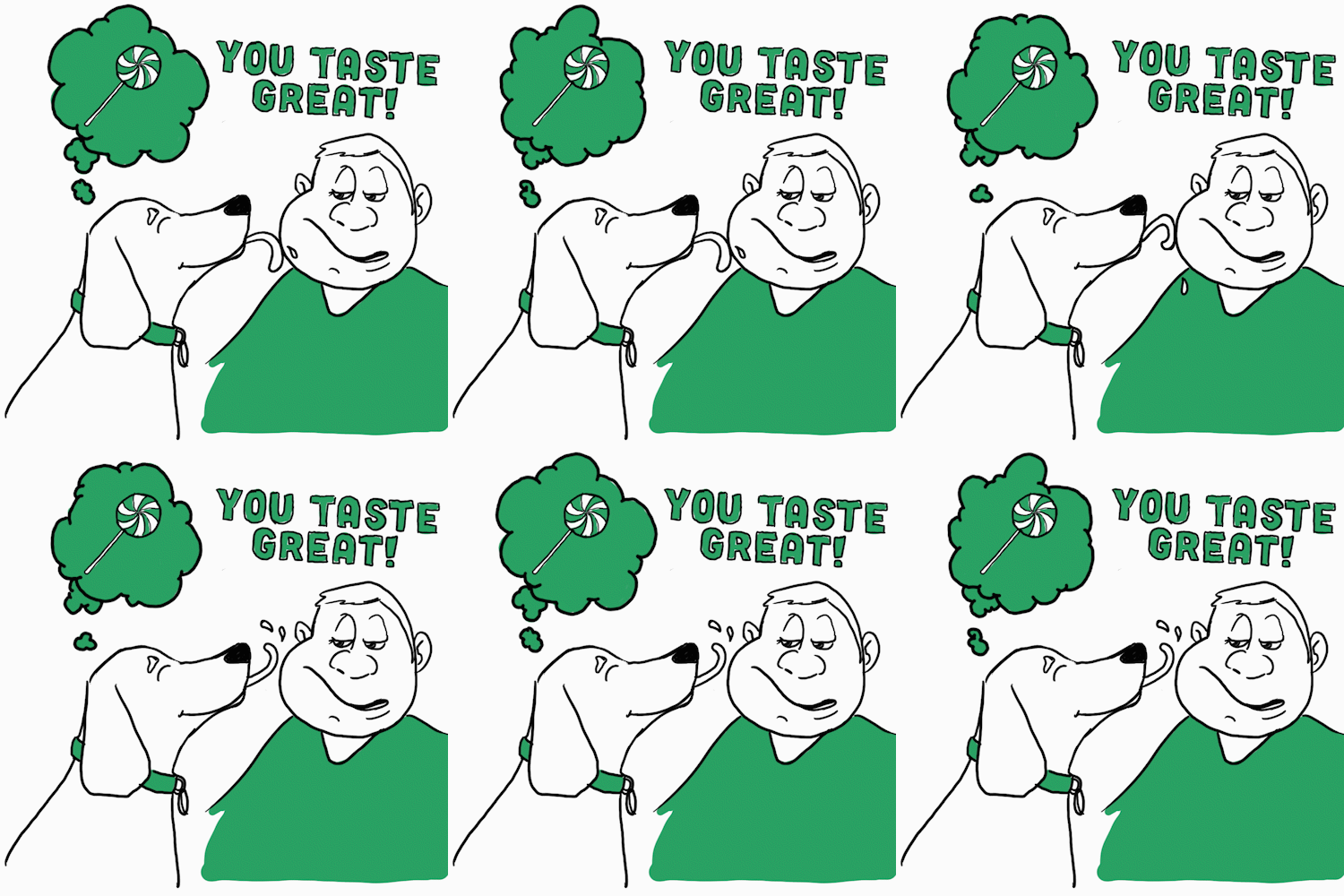
  • You taste great… or at least interesting

Dogs are oral creatures and gather a lot of information about their surroundings through taste and smell. Maybe you’re salty after a sweaty run. Maybe you’ve got barbecue sauce on your face. “Dogs can smell a lot better than we can,” says Dr. Jo Gale, BVetMed CertLAS MRCVS, Senior Manager, Global Science Advocacy at Waltham Petcare Science Institute, “so they find a lot more things interesting to lick than we can.” This is despite the fact that dogs only have about 1,700 taste buds compared to around 9,000 in humans.


  • They want your attention

Have you been too busy with work lately? Or has anything kept you inattentive toward your pooch? If so, it’s probably one of the reasons why your dog is licking you. It is also possible that your dog just got too bored and wants you to play with them, which is why they’re suddenly licking you.


  • They have OCD

That’s true. Much like humans, dogs can also suffer from obsessive-compulsive disorder, which can be concerning. It is often triggered due to stress and anxiety and makes the dogs suddenly begin licking. You will need to visit your vet if you suspect this to be the case. 


licking fr 2 min new


Why is my dog licking my wounds?

Unlike humans, no other animals have knowledge about or access to proper healthcare. So, when they get injured, their first instinct is to lick their wounds. This helps them numb the pain to a certain extent, and also clean the wound. Thus, when your dog sees a wound on you, their natural instincts kick in and they try to help you by licking the wound, thinking it will clean the wound and lower the pain.


In fact, in ancient Greece, dogs at the shrine of Asclepius were trained to lick patients. In the Middle Ages, Saint Roch was said to have been cured of a plague of sores through his dog’s licking. The French even have a saying, “langue de chien, langue de médecin,” which translates to, “a dog’s tongue, a doctor’s tongue.”


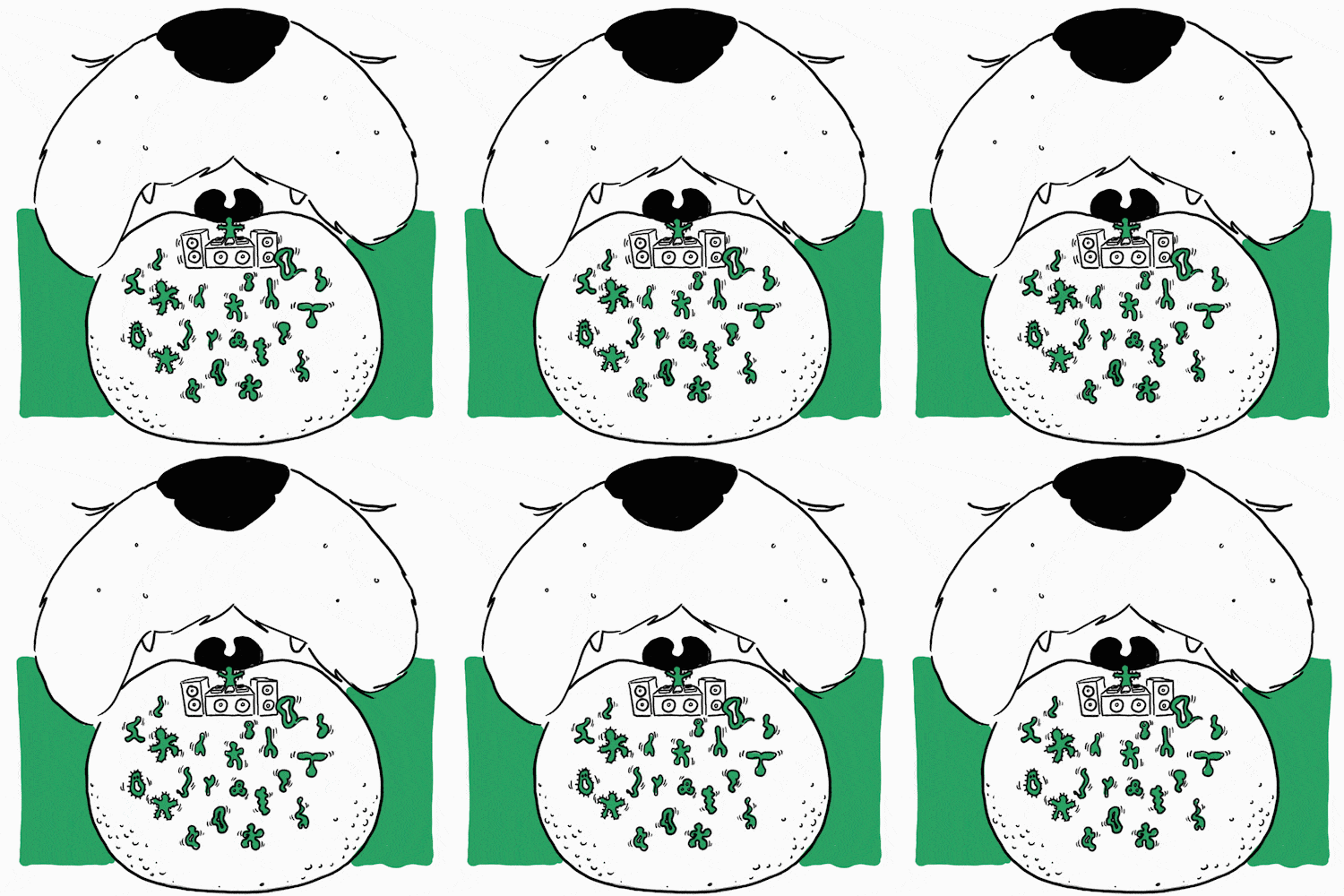
Don’t cancel your health insurance just yet. While a dog’s saliva does have some possible bactericidal properties against some types of bacteria, it can put you at risk of exposure to others. Too much licking can also reopen the wound and cause further infection. With modern medicine, you’re much better off hitting the first-aid kit. And that myth about dogs’ mouths being cleaner than humans’? Not true — both contain over 600 types of bacteria. 


How to handle a dog that licks too much?

While an occasional canine kiss is “aww”-inducing, some dogs can overdo it to the point of annoyance. When this happens, the best thing to do is “completely ignore it and give no attention,” suggests Dr. Jo Gale. “When they stop, provide them with attention.” This acts as a form of positive reinforcement. Over time your dog will learn to scale back on the smooches. Another thing you can try is training them to cut back on the licking. Remember to use positive reinforcement in this case too - reward them with treats or toys when they display good behavior.
 

If you're looking for the perfect dog for you, try our Dog Breed Selector today and enjoy a lifetime of tail-wagging joy.

FAQs on Why Do Dogs Lick You

  1. Does dog licking mean affection?
  2. Yes, but not always. For dogs, licking is also a way to explore and understand the world and the beings around them. Sometimes it can also be an indication of their OCD.


  3. Why is my dog licking me?
  4. Your dog may be licking you because of either of these reasons - to show affection, to seek your attention, because they like how you taste, or because they are feeling stressed or anxious.


  5.  What does it mean when a dog keeps licking?
  6. If a dog keeps licking constantly, it may be because they are feeling anxious or stressed. Sometimes these feelings also trigger OCD in dogs, which can make them lick obsessively. They may also do it when they are bored and want your attention.


  7. Is dog licking a dominant behaviour?
  8. Sometimes, dogs choose to show dominance via licking. They may do this with either other dogs of the pack or with humans. Dog licking may indicate dominance especially when the licks are uninvited, and the dog begins showing dominant behaviour. This can include not obeying commands and acting in a demanding way.


  9. What is a dog telling you when they lick you?
  10. A dog’s licking may indicate several things. They are either showing affection or are just bored and need your attention. They may also lick you if they think you taste good or interesting.


  • How Much Exercise Does My Dog Need?
    How Much Exercise Does My Dog Need?
    adp_description_block187
    How Much Exercise Does My Dog Need?

    • Share

    Calling all dog parents! Let’s start with some burning questions: Are you a newbie owner? Is your pooch packing on a few extra pounds? Are they bored? Or treating your loafers like chew toys?
     

    One word: EXERCISE. It’s vital for a healthy, non-problem-child pooch. (And it can be good for your BMI, too!)

    Your dog’s breed and age are the two factors that determine how much exercise they need. Check out these tips to be sure your pooch is getting the right amount of physical activity every day.


    Start with Your Dog’s Breed Group

    Your dog’s breed group helps determine their exercise needs.
     

    Sporting group dogs are energetic, natural athletes who should get approximately 90 minutes of high-intensity exercise. They enjoy long, brisk walks, hikes in the woods, swimming and playing fetch.


    Examples: Retrievers, pointers, setters and spaniels

    Blue-collar pooches in the working group are happiest when they have a job to do. They need about one to two hours of fun, pant-inducing activity every day. Take them for long walks or hikes, or create a homemade agility course in your backyard.


    Examples: Boxers, Alaskan malamutes, Rottweilers and Siberian huskies

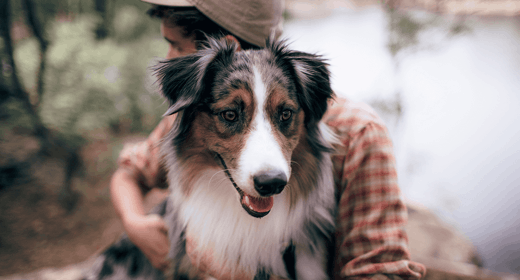
    Sixty to 90 minutes of vigorous exercise and play daily? That’s what most high-IQ, high-energy herding group dogs need. You can’t go wrong with activities that challenge them physically and mentally, like long power walks and fun games like fetch, chase and Frisbee.


    Examples: Shepherds, collies and sheepdogs

    Sight hound dogs need roughly 30 minutes of regular exercise, and scent hound dogs should get about one hour of intense exercise. Take sight hounds on walks or have them do a couple of sprint workouts each week. Scent hounds need longer periods of vigorous activity and love hiking, jogging or playing tracking games in the woods. (Shocking, we know.)


    Examples: Afghan hounds, greyhounds, whippets, beagles, bloodhounds and basset hounds

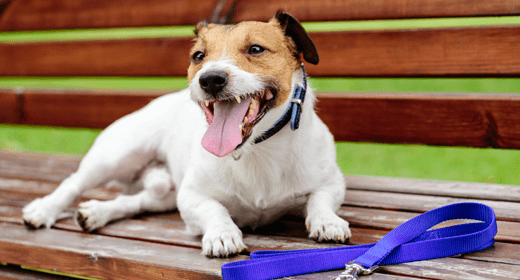
    Short-legged terrier group breeds need about 30 minutes of exercise every day, while their longer-legged counterparts need one hour or more. Ideal exercises include fast-paced walks, hikes in the forest and chasing their favorite squeaky ball in the backyard or park.


    Examples: Jack Russell terriers, West Highland white terriers (Westies), Yorkshire terriers (Yorkies) and schnauzers

    Most petite pups in the toy group are lap dogs, but they should still get approximately 30 to 60 minutes of moderate exercise — they tend to get too husky when they don’t get proper workouts. Plus, toy dogs can really get their hearts pumping in a small area, so consider complementing your daily walks with indoor dog exercise.


    Examples: Chihuahuas, Pomeranians and Maltese
     

    here are a ton of different breeds in the nonsporting group, so start with 30 minutes of daily exercise and adjust. Each breed’s exercise needs are unique, and short-nosed dogs, like bulldogs and Shih Tzus, should only have short periods of moderate activity.


    Examples: Dalmatians, bulldogs, chow chows and poodles

    If you’re the proud parent of a mutt who’s mushed your heart, just follow the exercise suggestions for the most dominant breed or two. (Or ask your vet!)


    Factor in Your Dog’s Age

    When figuring out how to exercise with your dog, consider your dog’s age. Each stage has unique exercise requirements.


    Puppy Exercise Needs

    Puppies are balls of energy that do best with short bursts of exercise. (Think zoomies in the backyard.) The best activities are short, easy walks, a few play sessions throughout the day and, of course, obedience training. Avoid long walks and running because they can be too hard on your pup’s growing bones and joints.


    Adult Dog Exercise Needs

    Healthy adult dogs can do just about anything! Whether it’s walking, running, hiking, swimming, or playing tug-of-war or fetch, they’ll be getting the exercise they need to stay healthy and happy — plus they’ll enjoy spending time with you.


    Senior Dog Exercise Needs

    Although your senior dog might move at a slightly slower pace than before, they still need exercise and playtime. You may want to shorten walks and fetch time, though, and do other low-impact activities like learning new tricks.


    Fuel Your Dog Every Day

    Finally, make sure your dog is properly fueled for their next workout. Feed them high-quality, nutritionally balanced IAMS™ food that’s tailored for their unique size and life stage.

    How Much Exercise Does My Dog Need?
    How Much Exercise Does My Dog Need?
    How Much Exercise Does My Dog Need?
    How Much Exercise Does My Dog Need?
    How Much Exercise Does My Dog Need?
    How Much Exercise Does My Dog Need?
    How Much Exercise Does My Dog Need?
    How Much Exercise Does My Dog Need?
Close modal