Enter a keyword below to search for articles and products.
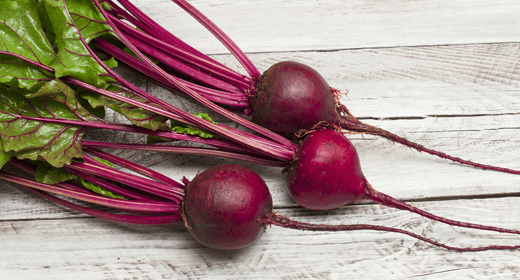
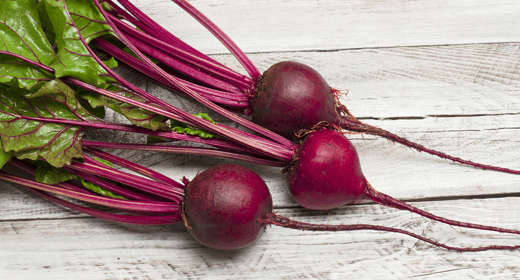
Beet pulp is an important source of fiber that is good for helping your dog maintain intestinal health and can enhance his ability to absorb ingredients. Beet pulp is the material that remains after sugar is extracted from sugar beets.
There are two types of fiber: Nonfermentable and fermentable. Nonfermentable fiber remains undigested as it passes through a dog's intestines, providing bulk to move wastes out. Cellulose is an example of a nonfermentable fiber.
In contrast, fermentable fiber is broken down in the intestines into short-chain fatty acids that provide energy for cells that line the intestine.
Moderately fermentable fiber does both: It provides bulk to move waste and supplies energy to cells lining the intestine. Beet pulp is a moderately fermentable fiber. IAMS™ products contain a patented, moderately fermentable fiber, beet pulp, to keep your dog's digestive system healthy.
Beet pulp contains no toxins and is not harmful. It is a very safe fiber source. Beet pulp does not affect coat color. There is nothing in beet pulp that can affect coat pigment—the inside is light in color, and the dark outside peel is not used in our foods.
By definition, beet pulp is the material left over after the sugar is removed from sugar beets. Therefore, beet pulp contains no sugar.
There is no evidence that beet pulp causes bloat. Bloat (gastric dilatation-volvulus or GDV) is related to a stomach defect that delays the stomach’s emptying. It is believed that bloat is not related to diet or ingredients, such as beet pulp. However, the cause of bloat remains unknown.
IAMS has conducted extensive research on many types of fiber. The results of this research point to the fact that beet pulp maintains intestinal health and works with other nutrients to provide optimal nutrition in all of our products, including IAMS™ ProActive Health™ Adult MiniChunks. No other food manufacturer can match our formulas. Only IAMS holds a patent for moderately fermentable beet pulp.
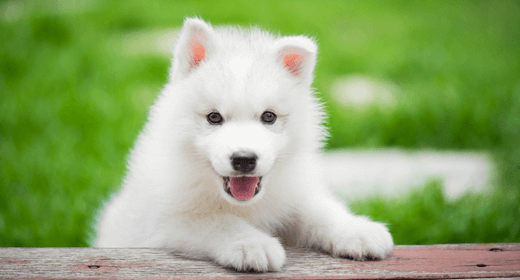
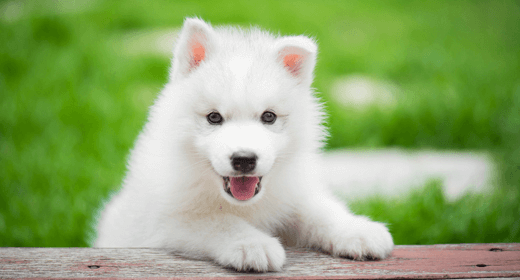
Puppies like human babies need additional love, care, and support in their growing age. The first month of a new puppy is critical as it needs the best healthcare, nutrition, and love to grow into a healthy and cheerful dog. Puppy health becomes the primary responsibility of pet parents during this stage. They must ensure preventive care and medical support alongside providing proper nourishment. To know more about the puppy health checklist, read the following.
Maintaining puppy health is the foremost important duty of every pet parent. Consulting a vet, vaccinating, neutering, and availing regular healthcare check-ups are a few duties of puppy caregivers. Similarly, other puppy preventive care includes:
Medical and preventive care is extremely necessary for puppies. Younger puppies are too small to understand what is good or bad for them. Besides, they are also very curious, playful, and energetic during their initial years. This playful and curious nature can sometimes lead to harmful situations.
Puppies often play and munch on random objects, which can sometimes result in toxication. In fact, accidents are also common in puppies as they lack cognitive skills to measure the consequences of their action. Hence, pet parents should pay more attention to their puppy’s growth and development. Some essential puppy health recommendations are as mentioned:
Apart following puppy health checklist, pet parents also need to ensure their fur baby is provided with other basic facilities for their overall growth and development. Training and socializing are as important as providing the best healthcare.
Besides, potty training and command training establishes hygiene and good behavior in them from a young age. To conclude, puppy health, fitness, and training are some of the most essential aspects for the overall growth and development of puppies.