IAMS MY
What’s the Difference Between Mature and Senior Dogs?

adp_description_block82
What’s the Difference Between Mature and Senior Dogs?

  • Share

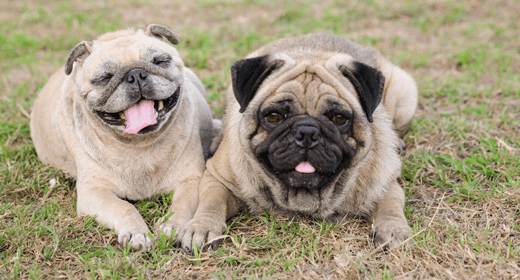
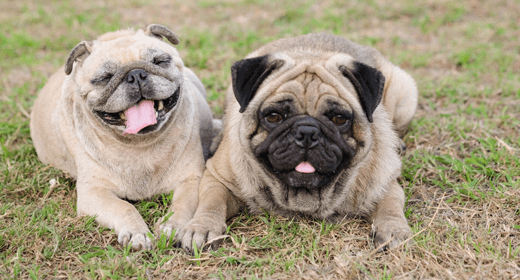
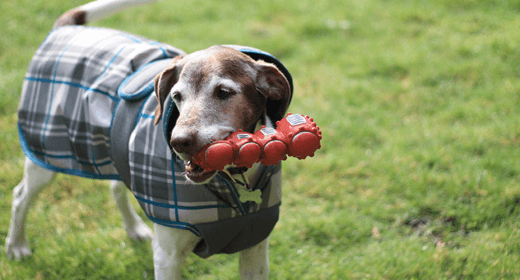
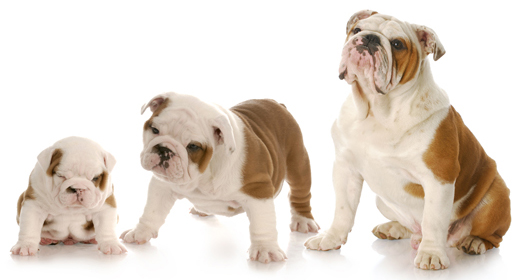
Physiological condition, rather than chronological age, determines whether a dog is mature. Aging begins when the body's systems start to slow down, when cells deteriorate faster than the body can repair them. Though large breeds tend to age faster than smaller breeds, the mature years generally begin at around 7 years (5 years for large breeds). If you feed your mature dog a diet designed to address the nutritional needs of his age, you can best maintain his overall health and well-being.

As your dog ages, it is important to detect and address with his veterinarian the telltale signs of aging or disease: a dull, dry coat and flaky skin, joint stiffness, energy loss, weight gain, increased water intake, digestive problems, and frequent constipation. These signs, among others, may be caused either by normal wear-and-tear or perhaps by the onset of disease. In any case, detecting and addressing them early may give your dog a greater chance to stay active and healthy.

When and how your dog responds to the aging process has a lot to do with genetics and environment, but nutrition plays an equally important role. The quality of food and its ability to maintain and nourish your dog's cells can help promote a long, healthy life.

As your dog ages and his systems become less efficient, he relies increasingly on the food you provide to make up for his body's shortfalls. According to Michael Hayek, PhD, an IAMS research nutritionist who specializes in geriatric nutrition, 'Aging dogs need the same nutrients as younger dogs; however, the quantity or the way the nutrients are provided may change.'
  • Chicken: The Complete Protein Source for Your Dog-banner
    Chicken: The Complete Protein Source for Your Dog-mob
    adp_description_block25
    Can Dogs Eat Chicken & Raw Chicken?

    • Share

    Chicken has been a widely popular and easily accessible source of protein for humans. However, when it comes to our canine companions, the role of chicken is a topic that demands exploration. From its countless health benefits to allergic reactions and dietary sensitivities, understanding the implications of incorporating chicken into a dog's meal plan is crucial for responsible pet care. Delve into the nuances of how chicken can serve as a valuable dietary component for dogs, uncovering the dos and don'ts that can help foster a balanced and nourishing diet for our beloved four-legged friends. 


    Can dogs eat chicken?

    The short answer is yes, chicken is good for dogs. In fact, chicken is a common ingredient in many high-quality dog foods, owing to its rich protein content and relatively low fat. It provides essential amino acids that contribute to muscle development and overall health. However, it is crucial to prepare chicken appropriately for your furry friend as certain seasonings or cooking methods might be harmful.


    Can dogs eat raw chicken?

    While dogs are known to be natural carnivores, the consumption of raw chicken raises concerns. Raw chicken can potentially contain harmful bacteria such as salmonella or listeria, which pose health risks for dogs, just as they do for humans. 
     

    The consumption of raw chicken might lead to foodborne illnesses and digestive issues, causing vomiting, diarrhoea, or even more severe complications. Therefore, it is generally advised to thoroughly cook chicken before feeding it to your dog, eliminating any potential bacteria and making it safe for consumption. 


    Dangers and side effects of eating raw chicken

    While the appeal of a raw diet for dogs is gaining traction, the dangers of raw chicken consumption remain a significant concern:

    • Bacterial infections: Raw chicken may contain harmful bacteria such as salmonella, campylobacter, and E. coli, which can lead to severe gastrointestinal distress in dogs.
    • Potential transmission to humans: Handling raw chicken for dogs without proper precautions can pose a risk of bacterial transmission to human caregivers, causing similar illnesses.
    • Nutritional imbalance: An exclusively raw chicken diet might lack essential nutrients, leading to deficiencies in a dog's overall nutrition and potential health complications.
    • Choking Hazards: Bones in raw chicken can splinter and pose a serious choking or gastrointestinal obstruction risk for dogs, leading to emergency vet visits and surgeries.
    • Zoonotic Diseases: Raw chicken consumption can expose dogs to zoonotic diseases that can transfer between animals and humans.


    Are dogs allergic to chicken? 

    Although rare, some dogs can develop allergies to chicken, resulting in various symptoms such as itching, skin irritation, gastrointestinal upset, and even respiratory issues. Chicken allergies in dogs are typically a response to specific proteins. 


    Other types of meat dogs can eat

    Dogs are omnivores, and aside from chicken, they can safely consume various other types of meat as part of a balanced diet.

    • Beef: Cooked lean cuts of beef offer dogs essential nutrients like iron and zinc, contributing to healthy muscle development and overall well-being.
    • Fish: Certain fish, such as salmon and sardines, are rich in omega-3 fatty acids, promoting a healthy coat, reducing inflammation, and supporting cognitive function in dogs.
    • Lamb: Cooked lamb is another protein-rich option that can diversify a dog's diet, providing necessary amino acids and essential vitamins for overall health.


    Should you see a vet if your dog is allergic or has had raw chicken?

    Considering the risks associated with raw chicken consumption and potential allergies in dogs, seeking veterinary guidance is highly recommended. If your dog exhibits symptoms of an allergic reaction or has consumed raw chicken, a visit to the vet is crucial.
     

    A veterinarian can conduct a thorough examination to identify the nature and severity of the allergic response and provide appropriate treatment options. Additionally, they can address any potential complications resulting from bacterial contamination, including gastrointestinal distress or other related health issues. Early intervention by a qualified veterinary professional can help mitigate the risks associated with food allergies and ensure the well-being of your canine companion.
     

    Remember, the expertise of a veterinarian is essential, especially when it comes to handling food-related concerns. Seeking their advice and treatment can help safeguard your dog's health and prevent any further complications. Prioritising your dog's health and well-being through professional veterinary care can contribute significantly to their overall quality of life and long-term wellness.

     article chicken the complete protein source for your dog header
     article chicken the complete protein source for your dog inset
Close modal