Enter a keyword below to search for articles and products.
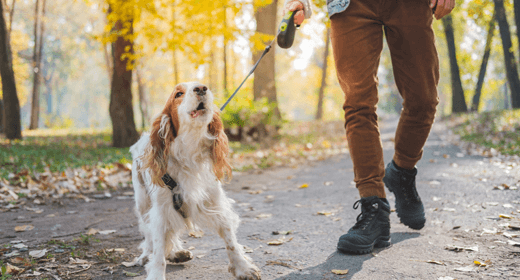
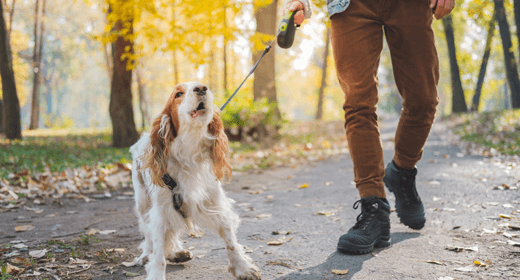
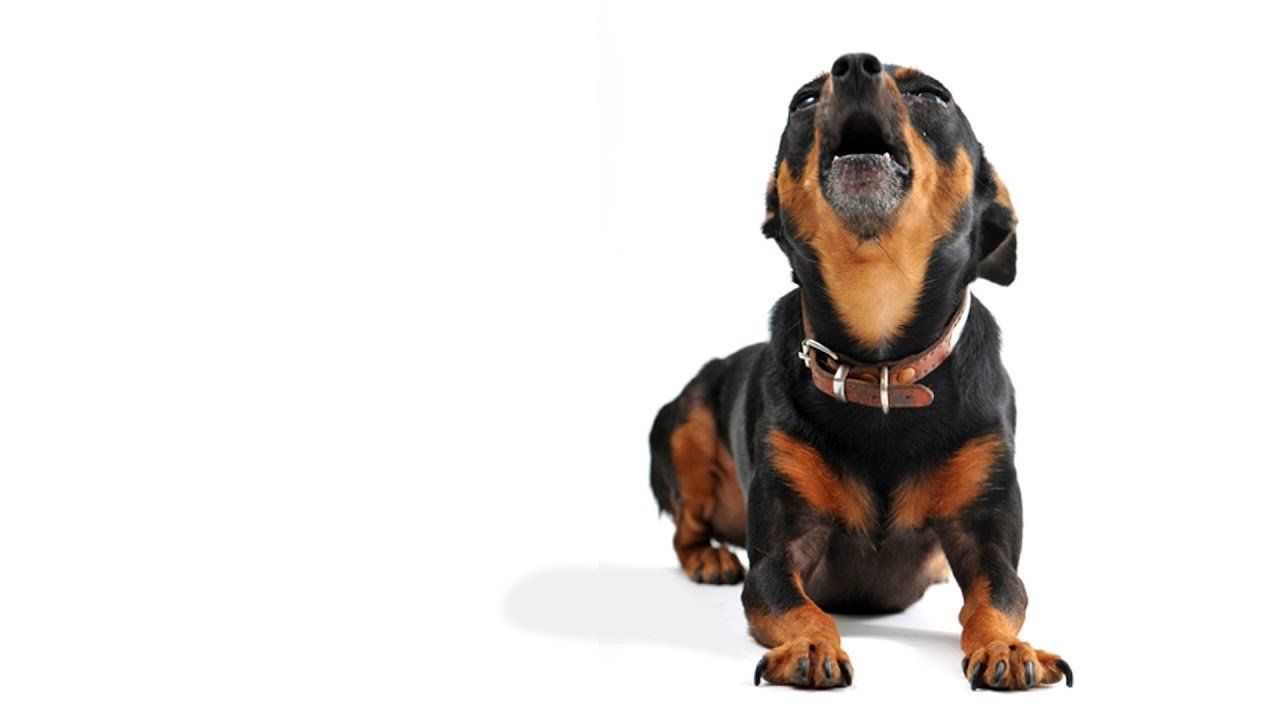
Barking is your dog’s way of communicating. We often observe dogs barking at people and things to grab attention. It is a normal dog behaviour that is often a reflex for expressing emotions related to anxiety, aggression, or boredom. Different types of barks emote different moods and feelings of the dog. Dogs also bark to stop others from entering their territory.
Even though dogs bark to communicate their emotions, excessive barking can cause disturbance to pet parents. In such situations, pet caregivers often look for ways to teach barking on command to their fur babies. If you too want to learn how to stop a dog from barking in the right manner, then read the following.
Dogs often bark to claim territory, express emotions, and communicate with others. However, sometimes, dogs might not know how to control their barking habits. Teaching your pooch to stop barking unnecessarily makes them calmer by sharpening their natural instincts. While barking is a norm for dogs, barking on command is a skill that you easily teach your fur baby. Follow the below points to learn how to teach your dog to stop barking.
Though these tricks will train your canine companion to control its barking habits, you must know that barking is a reflex instinct for dogs. Hence, it is imperative to stay consistent and regular when training a dog. It often takes time for dogs to learn commands and control their instinct to bark. However, with regular practice and consistent effort, you can eventually stop your dog from barking at will.
You can try various methods to stop a dog from barking. Some of these methods include the following:
Yes, dogs generally stop barking once they are exhausted or calmed down.
No, it is better to train the dog to not bark unnecessarily. You can easily do this by training your dog to stay calm.
Dogs are territorial animals who bark at people and other dogs when they feel you are getting in their personal territory.
Dogs can bark for various reasons. Some of the reasons for dogs to bark include:
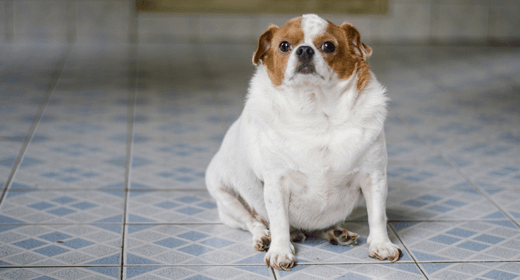
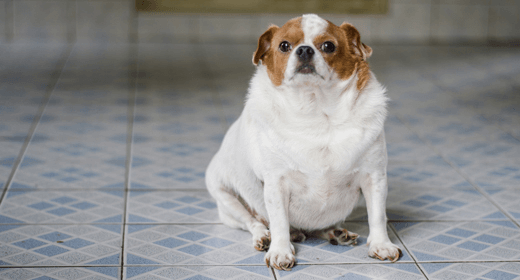
Have you ever wondered why some dogs seem a bit heavier than they should be? Dogs, like humans, can face weight issues, and it's crucial to ensure that they are in their best shape. In today's world of treats and limited exercise, more and more pet parents find themselves asking, 'Why is my dog fat?'. Dealing with dogs and weight loss can be tricky to work along if you don’t know how to go about on this journey of weight loss in dogs. Yet, how should you know if your dog is gaining weight and how to make your dog lose weight?
These days, dogs are grappling with weight issues. And as a dog parent, you must take a closer look at your pet’s body condition. Be curious about questions like, can you feel your dog's ribs easily? Is there a visible waistline? These observations play an essential role in assessing whether your canine companion needs assistance in the weight department. If you find your dog needing help with weight loss, then you must act promptly. Let's explore canine weight management and how to help dog lose weight.
Maintaining a healthy weight for your dog is not just about the appearance; it's about their overall well-being. Dogs with excess weight face health risks, including diabetes and heart diseases. Understanding why your dog is gaining weight would be the first step towards ensuring a longer and healthier life for your furry friend. Overweight and obese dogs often have shorter life spans, emphasising the need to act promptly. This is why it is essential for you to start considering weight loss by providing your pooch with a healthy and hearty lifestyle.
Struggling with dogs and weight loss can be stressful for pet parents. However, fret not. Here is what you need to do to start your dog’s journey towards weight loss:
A balanced diet contains all essential nutrients required for your pooch’s healthy growth. Consulting your vet for a tailored meal plan is suggested when planning your dog’s weight loss journey. It is also important to choose high-quality, low-calorie dog food to maintain a balanced diet. Portion control should be practiced to avoid overfeeding and excessive calorie intake.
One of the key elements to dogs losing weight is regular and consistent exercise. Develop a regular exercise routine tailored to your dog's breed and age. Take your floof for brisk walks, play a game of fetch, or simply plunge into the pool for swimming to keep them active. Gradually increase the intensity and duration of exercise for gradual weight loss. It is also recommended to combine regular exercising with healthier food for best results.
Your pooch’s weight problem can also be linked to numerous medical conditions. It is best to schedule regular vet visits to rule out underlying health issues causing weight gain. Conditions like thyroid problems may contribute to weight gain in dogs. Discuss appropriate medications or supplements with your vet for well-guided canine weight loss.
Consistently monitor your dog's progress and adjust the plan as needed. Gradual weight loss is ideal to prevent health complications. If you notice your fur baby losing or gaining too much weight within a short period, then you should get them checked by a vet. Stick to the plan even after your dog achieves their target weight for overall well-being.
While it's essential to encourage weight loss, it's equally crucial to ensure your dog doesn't lose weight too quickly or in an unhealthy manner.
While shedding that extra weight is essential, you need to make sure your fur baby’s weight loss journey is healthy and effective for a longer period. Given below are a few things you should be mindful of to avoid abnormal weight loss in dogs:
Helping your dog achieve and maintain a healthy weight is essential for their overall well-being. By following the aforementioned steps, consulting your vet, and observing your furry friend closely, you can contribute to a happier life together. Create a healthy weight loss plan, so your dog leads a happy life.