Enter a keyword below to search for articles and products.
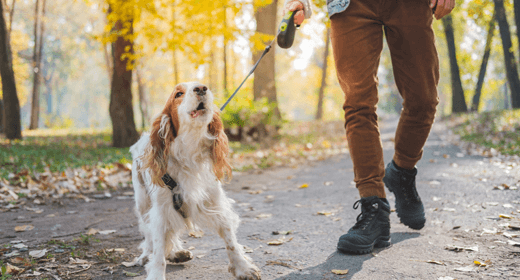
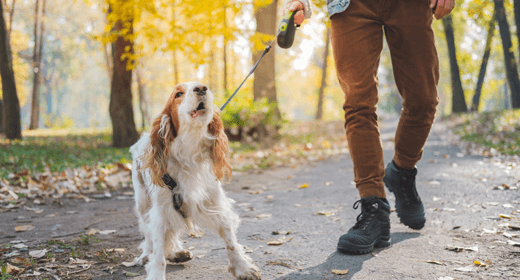
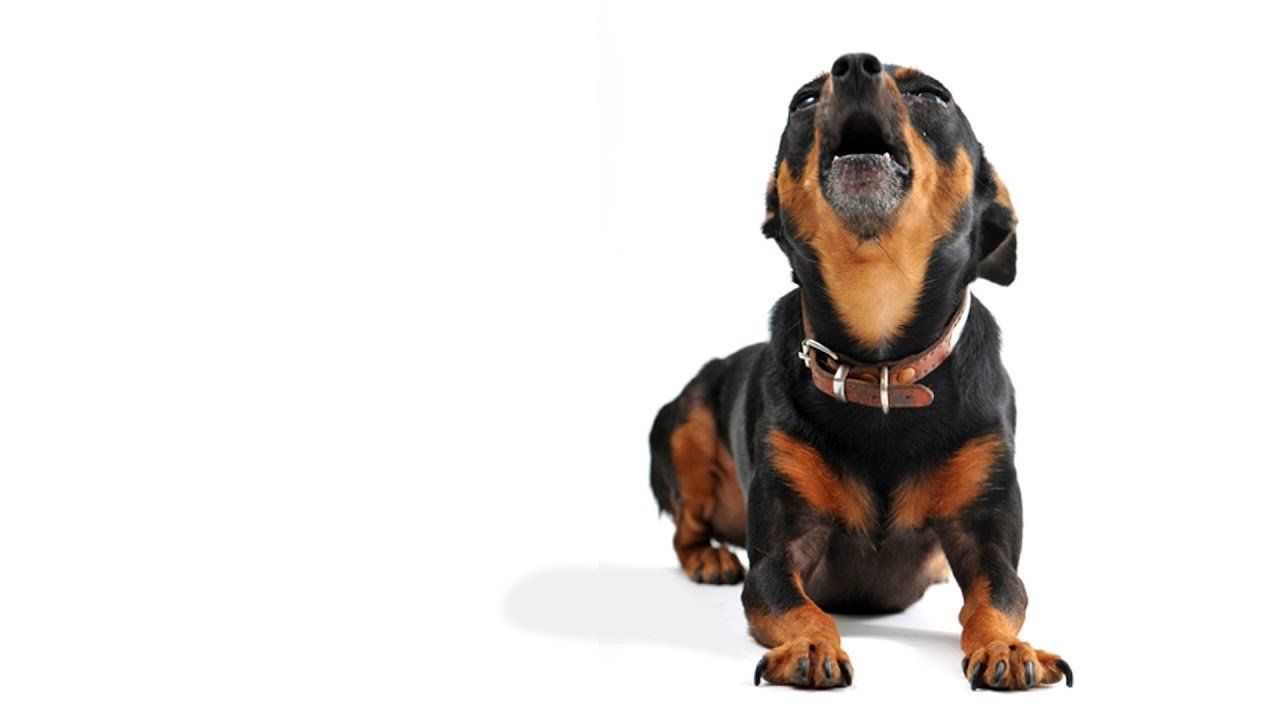
Barking is your dog’s way of communicating. We often observe dogs barking at people and things to grab attention. It is a normal dog behaviour that is often a reflex for expressing emotions related to anxiety, aggression, or boredom. Different types of barks emote different moods and feelings of the dog. Dogs also bark to stop others from entering their territory.
Even though dogs bark to communicate their emotions, excessive barking can cause disturbance to pet parents. In such situations, pet caregivers often look for ways to teach barking on command to their fur babies. If you too want to learn how to stop a dog from barking in the right manner, then read the following.
Dogs often bark to claim territory, express emotions, and communicate with others. However, sometimes, dogs might not know how to control their barking habits. Teaching your pooch to stop barking unnecessarily makes them calmer by sharpening their natural instincts. While barking is a norm for dogs, barking on command is a skill that you easily teach your fur baby. Follow the below points to learn how to teach your dog to stop barking.
Though these tricks will train your canine companion to control its barking habits, you must know that barking is a reflex instinct for dogs. Hence, it is imperative to stay consistent and regular when training a dog. It often takes time for dogs to learn commands and control their instinct to bark. However, with regular practice and consistent effort, you can eventually stop your dog from barking at will.
You can try various methods to stop a dog from barking. Some of these methods include the following:
Yes, dogs generally stop barking once they are exhausted or calmed down.
No, it is better to train the dog to not bark unnecessarily. You can easily do this by training your dog to stay calm.
Dogs are territorial animals who bark at people and other dogs when they feel you are getting in their personal territory.
Dogs can bark for various reasons. Some of the reasons for dogs to bark include:
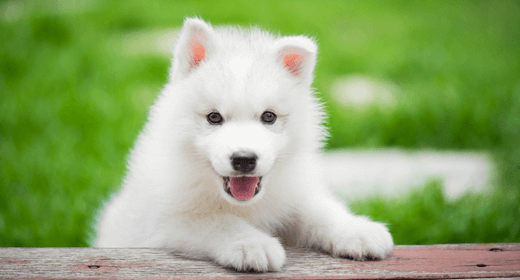
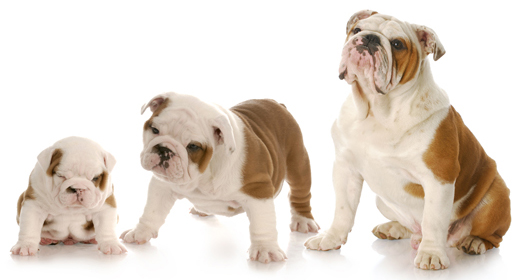
Puppies like human babies need additional love, care, and support in their growing age. The first month of a new puppy is critical as it needs the best healthcare, nutrition, and love to grow into a healthy and cheerful dog. Puppy health becomes the primary responsibility of pet parents during this stage. They must ensure preventive care and medical support alongside providing proper nourishment. To know more about the puppy health checklist, read the following.
Maintaining puppy health is the foremost important duty of every pet parent. Consulting a vet, vaccinating, neutering, and availing regular healthcare check-ups are a few duties of puppy caregivers. Similarly, other puppy preventive care includes:
Medical and preventive care is extremely necessary for puppies. Younger puppies are too small to understand what is good or bad for them. Besides, they are also very curious, playful, and energetic during their initial years. This playful and curious nature can sometimes lead to harmful situations.
Puppies often play and munch on random objects, which can sometimes result in toxication. In fact, accidents are also common in puppies as they lack cognitive skills to measure the consequences of their action. Hence, pet parents should pay more attention to their puppy’s growth and development. Some essential puppy health recommendations are as mentioned:
Apart following puppy health checklist, pet parents also need to ensure their fur baby is provided with other basic facilities for their overall growth and development. Training and socializing are as important as providing the best healthcare.
Besides, potty training and command training establishes hygiene and good behavior in them from a young age. To conclude, puppy health, fitness, and training are some of the most essential aspects for the overall growth and development of puppies.