Unlike larger-breed dogs that are considered mature at age 5, medium-breed dogs are usually called mature or senior at age 7. By this time, their nutritional requirements are changing. You can help keep your medium-breed dog active, happy and healthy with a specially formulated mature or senior diet that delivers highly digestible, enhanced nutrition.
The Signs of Aging in Medium-breed Dogs
Your dog might be aging in a number of ways. He may have a dull, dry coat and flaky skin, declining activity or weight gain, decreased immune system response, more frequent intestinal problems, joint stiffness and a loss of lean muscle mass. It’s true that a mature or senior dog generally needs fewer calories, but to address special mature or senior concerns, your dog still needs high-quality protein and carefully balanced nutrients.
What to Look for in a Mature or Senior Diet
What your medium-breed dog needs is a high-quality, balanced maintenance food formulated for his changing metabolism. Look for options with these age-essential dietary components:
- Vitamin-rich fish oils for healthy skin, a shiny coat and overall health
- Antioxidants such as vitamin E and beta-carotene to help boost the immune system
- High-quality animal-based protein sources to help maintain muscle mass
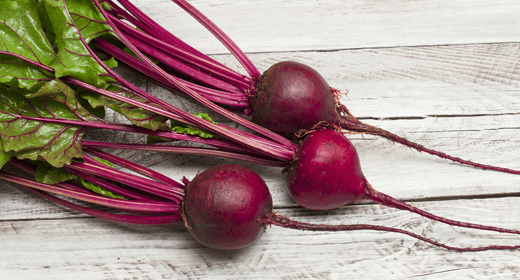
- A special fiber source, such as beet pulp, to help maintain intestinal health and enhance your dog’s ability to absorb age-essential nutrients
- A special carbohydrate blend of healthy grains for sustained energy
These ingredients are the keys to mature or senior nutrition whether you feed dry or wet dog food or give your dog treats.
Special Needs in Medium-breed Mature or Senior Dogs
Older, less active dogs are prone to weight gain. Controlling your dog’s weight can help minimize health complications such as diabetes or joint stress. Your dog can benefit from a weight-control diet with these key characteristics:
- A reduced fat level that still offers essential nutrients for skin and coat health
- L-carnitine, a key nutrient that helps burn fat and maintain muscle mass during weight loss
- Special carbohydrate blends that help maintain energy while managing weight
- Vitamin-rich fish oils for overall health