Enter a keyword below to search for articles and products.
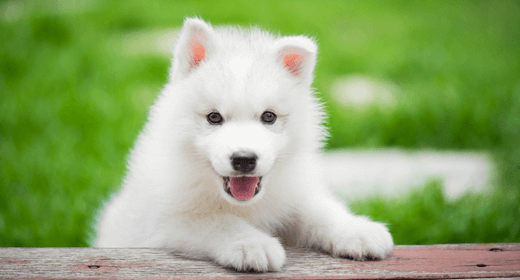
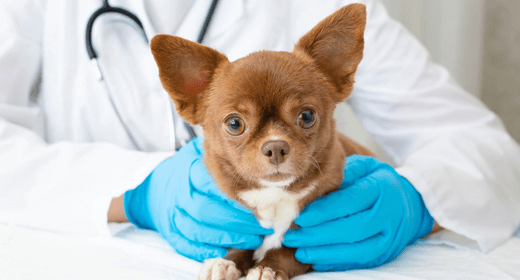
Puppies like human babies need additional love, care, and support in their growing age. The first month of a new puppy is critical as it needs the best healthcare, nutrition, and love to grow into a healthy and cheerful dog. Puppy health becomes the primary responsibility of pet parents during this stage. They must ensure preventive care and medical support alongside providing proper nourishment. To know more about the puppy health checklist, read the following.
Maintaining puppy health is the foremost important duty of every pet parent. Consulting a vet, vaccinating, neutering, and availing regular healthcare check-ups are a few duties of puppy caregivers. Similarly, other puppy preventive care includes:
Medical and preventive care is extremely necessary for puppies. Younger puppies are too small to understand what is good or bad for them. Besides, they are also very curious, playful, and energetic during their initial years. This playful and curious nature can sometimes lead to harmful situations.
Puppies often play and munch on random objects, which can sometimes result in toxication. In fact, accidents are also common in puppies as they lack cognitive skills to measure the consequences of their action. Hence, pet parents should pay more attention to their puppy’s growth and development. Some essential puppy health recommendations are as mentioned:
Apart following puppy health checklist, pet parents also need to ensure their fur baby is provided with other basic facilities for their overall growth and development. Training and socializing are as important as providing the best healthcare.
Besides, potty training and command training establishes hygiene and good behavior in them from a young age. To conclude, puppy health, fitness, and training are some of the most essential aspects for the overall growth and development of puppies.
Observe the puppy daily to look for signs of discomfort, illness, and abnormalities. If you notice a major shift in the puppy’s mood or changes in physical attributions, stool, fur, and other attributes, then consult a vet at the earliest. However, if everything looks and feels normal then you have a healthy puppy.
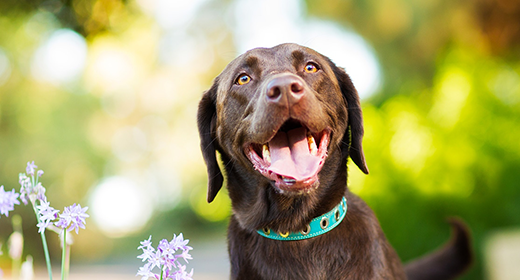
Soft and shiny fur, clean ear, bright eyes, a clear nose, and a playful mood are some essential signs of a healthy puppy.
Diarrhea, vomiting, itching, whimpering, and loss of energy are some signs of a sick puppy.
Parasites, kennel cough, parvovirus, vomiting, and diarrhoea are some common illnesses in puppies.


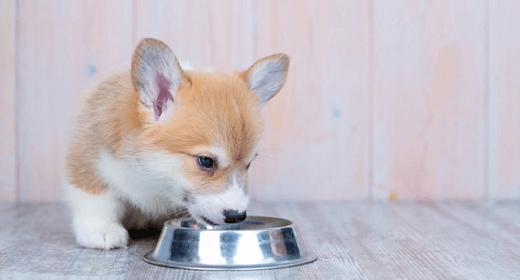
Dogs need a well-balanced meal for their adequate growth and development. Different breeds and sizes of dogs require a different amount of nutrients. Puppies are at their growing stage, and hence they require more energy for overall development. Nutrients like fat, protein, carbohydrates, vitamins, minerals, and water help the puppy nourish into a healthy dog. Choosing a puppy food is a crucial decision to make as the type of puppy food you choose directly affects your fur baby’s development in the initial years.
IAMS™ is one of the leading puppy food brands that is known for offering food packed with energy and nutrients to support a puppy’s growing age.
Pet parents often face the dilemma of how to choose puppy food for their fur baby. Puppies often need twice the amount of nutrients compared to an adult dog. While choosing a puppy food, you must look for meal options that are highly digestive and nutrient dense. The food should be packed with vitamins, proteins, fat, and carbohydrates for your puppy’s healthy growth. Some benefits of selecting the right puppy food are:
While home food can be nutritious, it can sometimes not be sufficient for a puppy’s growing body. Hence, pet parents need to depend on formulated puppy food that is packed with the goodness of protein and other essential nutrients to support their fur baby’s growth and development stage. However, how to choose the right puppy food brand amongst so many available options? Read the following to know more.
Moreover, you must also consider your puppy’s breed, size, and weight when confused about how to choose food for the puppy. Smaller breeds of dogs mature faster than larger breeds, this means your puppy’s breed decides how much nutrients it will need for how long. While most puppies can start consuming solid food once they turn 4-weeks old, their transition from puppy food to adult dog food varies depending on their breed, size, and weight. Please consult a vegetarian doctor if you are unsure about your pet’s breed and the amount of nutrients required for its adequate growth.
Different breeds of dogs require a different amount of nutrition for their proper growth and development. Feeding the puppy as per its breed’s requirement ensures that it gets the right amount of nutrients for its physical and psychological growth. Hence, to help you choose the best for your fur baby, we have curated some insights on how much nutrition is required for which breed size.
The physical growth and development of a puppy are at stake during its initial years. Therefore, choosing a diet that meets all its nutritional requirements and provides appropriate nourishment is essential. Caregivers should be mindful of their puppy’s allergies, breed size, and age before selecting a puppy food brand. IAMS offers a wide range of puppy food varieties for different breed sizes based on their nutritional requirements. However, you should consult a vet if you are unsure about your puppy’s nutritional needs and breed.
At IAMS™, we focus on preparing highest-quality food for dogs of all ages and breeds. Our puppy food — IAMS™ Proactive Health™ Starter Mother and Baby Dog – is the ideal pick for your little pooch’s optimal growth and development. Along with being loaded with proteins, vitamins, and minerals, it also contains DHA and colostrum. While DHA ensures healthy cognition for better trainability, colostrum provides essential nutrients that’s only found in the mother dog’s milk. Enriched with best-quality proteins, fibre, and FOS natural prebiotics, IAMS™ Proactive Health™ Starter Mother and Baby Dog ensures healthy muscles as well as digestive system.