Enter a keyword below to search for articles and products.
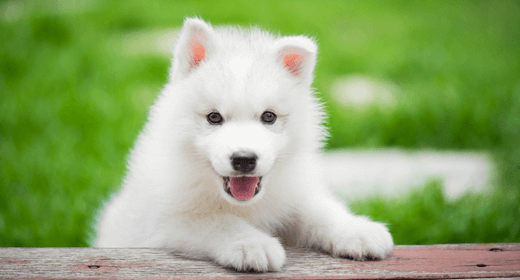
Puppies like human babies need additional love, care, and support in their growing age. The first month of a new puppy is critical as it needs the best healthcare, nutrition, and love to grow into a healthy and cheerful dog. Puppy health becomes the primary responsibility of pet parents during this stage. They must ensure preventive care and medical support alongside providing proper nourishment. To know more about the puppy health checklist, read the following.
Maintaining puppy health is the foremost important duty of every pet parent. Consulting a vet, vaccinating, neutering, and availing regular healthcare check-ups are a few duties of puppy caregivers. Similarly, other puppy preventive care includes:
Medical and preventive care is extremely necessary for puppies. Younger puppies are too small to understand what is good or bad for them. Besides, they are also very curious, playful, and energetic during their initial years. This playful and curious nature can sometimes lead to harmful situations.
Puppies often play and munch on random objects, which can sometimes result in toxication. In fact, accidents are also common in puppies as they lack cognitive skills to measure the consequences of their action. Hence, pet parents should pay more attention to their puppy’s growth and development. Some essential puppy health recommendations are as mentioned:
Apart following puppy health checklist, pet parents also need to ensure their fur baby is provided with other basic facilities for their overall growth and development. Training and socializing are as important as providing the best healthcare.
Besides, potty training and command training establishes hygiene and good behavior in them from a young age. To conclude, puppy health, fitness, and training are some of the most essential aspects for the overall growth and development of puppies.
Observe the puppy daily to look for signs of discomfort, illness, and abnormalities. If you notice a major shift in the puppy’s mood or changes in physical attributions, stool, fur, and other attributes, then consult a vet at the earliest. However, if everything looks and feels normal then you have a healthy puppy.
Soft and shiny fur, clean ear, bright eyes, a clear nose, and a playful mood are some essential signs of a healthy puppy.
Diarrhea, vomiting, itching, whimpering, and loss of energy are some signs of a sick puppy.
Parasites, kennel cough, parvovirus, vomiting, and diarrhoea are some common illnesses in puppies.
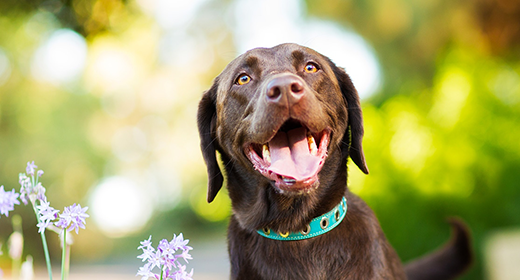
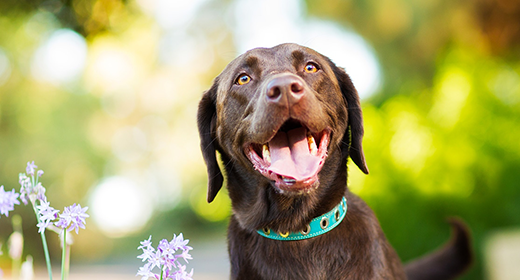
As a veterinarian, I’ve found that pet owners take seriously the responsibility of ensuring their dogs live healthy, happy lives. They worry about making sure their dog gets enough exercise, receives regular wellness checks and receives balanced nutrition that gives them energy to run and play.
What some people don’t realize is that owning and caring a dog can improve the owner’s health as well. Spending quality time with your dog and providing them with quality nutrition is good for the dog and can help ease stress and anxiety levels for you. Studies have shown that owning a pet can decrease blood pressure, cholesterol levels and triglyceride levels — which is great news for your heart health.
In short, when your dog is getting the best care, proper exercise, nutrition and love, they can enjoy a long and healthy life. And that can ultimately make you healthier, too!
Many owners see their dog as part of the family, and that sometimes means they will feed their dog like they feed themselves. For example, some people may choose low-carb or gluten-free diets for themselves and do the same for their pets. However, while this instinct comes from a place of love, many owners don’t realize that their dog’s dietary needs differ from their own.
Take grains for example. As a veterinarian, it’s important for me to note that grains are good for your dog. Yes, you read that right — they’re good!
A very small percentage of dogs may have a food sensitivity that requires a special grain-free diet or a dog food without a certain protein. However, this is not necessary for the vast majority of dogs. Most dogs benefit from a complete, balanced diet with healthy grains, high-quality proteins and essential vitamins and minerals.
Here’s why: Grains are a good source of carbohydrates that provide healthy energy. Some grains, like rice and wheat, provide “quick” energy, while other grains, like barley and sorghum, take longer to convert to energy. A combination of these different grains can offer a time-released energy source that helps dogs sustain energy. The whole grains in IAMS dog food are a beneficial mix, as they supply steady energy.
In addition to the grains you’ll find in IAMS food, you’ll also find high-quality proteins, like chicken and lamb, as well as essential nutrients needed to help support heart health. Together, this combination will give your dog a steady source of energy to be active on walks, runs, hikes or play sessions around the house.
For your dog to be healthy and happy, be sure you feed them a well-balanced diet and allow them enough exercise time. In return, you’ll get unconditional love, plenty of sweet doggy snuggles and maybe even more exercise — just a few of the ways you and your dog are joined at the heart.