Enter a keyword below to search for articles and products.
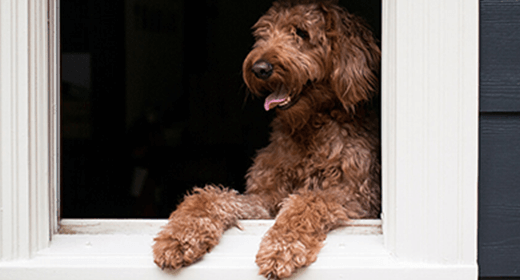
Nutrition and bodyweight management are crucial for the health of a pregnant dog and her puppies. While your dog may not require as many doctor visits as people do during pregnancy, you will still need to understand how to take care of a pregnant dog. This can be achieved by consulting your vet who can evaluate and treat her for both internal and external parasites that could pose a threat to her or her offspring. Pregnancy in a dog is one of the most exciting, but delicate times in the life of a female dog. Hence, providing sufficient care during the early weeks of pregnancy is critical.
It can be difficult to notice anything unusual in your dog during the first few weeks of her pregnancy. However, you can watch out for subtle signs of pregnancy in dogs.
Your pregnant dog will get tired easily and spend more time napping. For dogs that usually have a high energy drive, this decrease in activity should be considered carefully. It may be difficult to spot a decline in energy in dogs who love resting all day. So, if this is the case, pay attention to how quickly she feels exhausted during walks.
You will observe certain changes in your dog's behavior if she is pregnant. For example, she may crave her owner's comfort more frequently. A pregnant dog will spend more time around you, seeking extra attention. At times, she will also prefer solitude and would not want to be bothered. And when given attention, she may appear depressed or even irritated.
Appetite fluctuations are another sign of pregnancy in dogs. She may eat less or perhaps even vomit sometimes, early or midway through the pregnancy. However, she may consume more than normal and be unhappy with her meals. These changes are caused by your dog's shifting hormones.
Your dog’s abdomen will grow in size as the puppies grow. This can be one of the most obvious signs of a dog’s pregnancy, particularly if your dog hasn’t gained weight for any other reason. However, because enlargement of the abdomen happens late in a dog’s pregnancy, and if you detect this sign, it’s time to take her to the clinic.
Proper nutrition for pregnant dogs is important in this period. Therefore, extra caution and care should be given while providing food for pregnant dogs and caring for them.
Pregnancy and nursing are not only responsible for many changes in a dog's body, but for changes in her lifestyle as well. If your dog is pregnant or nursing, pay special attention to her changing nutritional needs as she carries, delivers and nurses her puppies.
Weeks 1 and 2 |
|
Weeks 3 and 4 |
|
| Weeks 5 and 6 |
|
| Weeks 7 and 8 |
|
| Week 9 |
|
Did you know? You must ensure that your female dog is up to date with vaccination before and during pregnancy. After all, it offers protection from rabies and other severe illnesses. So, let’s explore the vaccination needs of a female dog during this delicate, yet beautiful stage of its life.
There are certain vaccines that you should consider giving your dog before she’s pregnant.
The Canine Task Force of the American Animal Hospital Association believes the following canine immunizations to be essential:
In general, normal pet owners will not need to vaccinate a pregnant female dog. If she is up to date with all her vaccinations, there is usually no need to give her an additional booster shot just because she is pregnant. Moreover, even veterinarians discourage vaccinating pregnant dogs.
The nutritional requirement for large-breed dogs differs from that of small-breed dogs. While you would want to shower your pregnant dog with endless foods and treats, it is best to refrain from it. Overfeeding could lead to obesity towards the end of pregnancy. This will increase the risk of difficult labor, which will thereby cause stress to the dog. Hence, during these delicate times, following the feeding guide provided by your vet is a must.
A small breed dog needs more calories per pound than a large breed dog to sufficiently sustain her puppies during pregnancy as well as breastfeeding. The to-be mother dog’s food consumption should be increased by roughly 15% to 25% as she nears the date of delivery.
Small dog breeds should be fed small breed puppy food. Therefore, choose a highly nutritious puppy diet for your dog based on the size of the breed.
If you're planning to breed your female dog, it’s important to assess her body condition well in advance due to the physical demands of pregnancy and nursing, a dog with less-than-ideal health can experience problems.
Be sure to feed the proper amounts of a complete and balanced diet. This will support the mother's healthy weight and body condition before breeding and help maintain her health and that of her babies throughout pregnancy and lactation.
The gestation period for dogs is nine weeks. Pregnant dogs gain weight only slightly until about the sixth week, and then gain weight rapidly.
The energy requirements of pregnant dogs are reflected in the pattern of weight gain. Pregnant dogs will need to consume 25% to 50% more than their normal food intake by the end of pregnancy, but energy requirements do not increase until about the sixth week.
The best diet for pregnant and nursing dogs is a high-quality, nutrient-dense pet food formulated for all life stages. Although puppy diets are generally recommended for pregnant or nursing dogs, large-breed puppy formulas may not be appropriate for this use due to their adjusted energy and mineral content.
Raw foods are not recommended for nursing or pregnant dogs. Most dogs can get by on high-quality dog food alone, so unless your veterinarian suggests otherwise, you should avoid giving your dog any additional vitamins or supplements.
A good option is to give your pregnant dog IAMS™ PROACTIVE HEALTH™ Mother and Baby dog food. It supports the mother’s gestation and milk production for healthy puppy development while also boosting your puppy's training capacity with vital DHA for healthy brain development, making its first year of life a pleasant one.
Pregnant dogs lose weight after giving birth, but their nutritional needs increase dramatically. Depending on litter size, nursing dogs might need two to three times their normal food requirement to nourish their pups. Be sure your nursing mom has plenty of water, so she can generate the milk volume she needs to feed the litter.
To help your nursing dog get enough nutrition, you can try several tactics:
By four to five weeks after birth, most puppies start showing an interest in their mother’s food. Gradually, the puppies will begin eating more solid food and nursing less. At the same time, the nursing mother will usually begin eating less. Most puppies are completely weaned around age 7 to 8 weeks. By this time, the mother's energy requirement is back to normal, and she should be eating her normal pre-pregnancy diet.
Your pregnant dog must be taken to the vet multiple times during her pregnancy. To begin with, schedule a prenatal appointment two to three weeks after mating. And later on, go for vet examination three weeks before whelping, especially to confirm that the mama dog and puppies are in good health. You can visit your veterinarian at regular intervals for your pooch’s well-being.
Female dogs need special care during pregnancy. And since you have reached the end of this article, you probably know your responsibilities now. From feeding them right to providing sufficient exercise, as a dog parent, you must ensure that your pet and her babies are in the pink of health.
If you're looking for the perfect dog for you, try our Dog Breed Selector today and enjoy a lifetime of tail-wagging joy.
A pregnant dog should be switched to a higher-calorie diet (when they are already a month into pregnancy). The food should also have 22% protein and 1600 kcal of digestible calories per pound.
A dog can be pregnant for up to 70 days. However, in most cases, puppies arrive within 63 to 65 days of conception.
If your dog is in active labor, she would most likely refuse to eat. The labor process can be exhausting, resulting in stomach trouble, pacing, vomiting, and uneasiness. As a result, feeding her during this period is ineffective. If your dog eats soon before labor, she may vomit up the meal.
Your dog can only become pregnant when she is in heat, which occurs once or twice annually depending on the breed. When dogs are about 6 months old, they go into heat for the first time. The entire heating cycle takes about three weeks, and it is during this cycle that your dog can become pregnant.
Mother dogs may miss their pups if their specific circumstances are not taken into account. Therefore, plan everything carefully before breeding her to a male to ensure that the separation of her litter is not all at once.
Yes, your dog can get pregnant again at any time after she has given birth. However, it will depend on when she goes into heat again. Thus, it is best advised to keep the male dogs away from her so that insemination doesn't happen accidentally.
Here are a few tips on caring for a pregnant dog:


Dog multivitamins have become an increasingly popular supplement in pet care, designed to support overall canine health and well-being. Just as humans benefit from a balanced diet, dogs also require essential vitamins and minerals to maintain optimal health. These supplements are formulated to fill potential nutritional gaps in a dog's diet, ensuring they receive the necessary nutrients for proper growth, immune function, and energy levels. Multivitamins can be particularly beneficial for dogs with specific dietary restrictions, older dogs, or those recovering from illness. However, it is essential for pet parents to consult with veterinarians to determine the appropriate supplement and dosage for their furry companions.
Vitamins for dogs are essential organic compounds crucial for various physiological functions in both humans and dogs. These micronutrients, including A, B-complex, C, D, and E vitamins, play key roles in immune function, bone health, energy metabolism, and skin maintenance. Multivitamins for dogs consolidate these vital nutrients, providing a comprehensive and balanced nutritional boost to address potential dietary deficiencies.
If you are looking for vitamins for dogs in the Philippines, the IAMS dog supplement range has you covered. Tailored for canine needs, these supplements are particularly beneficial for dogs with specific health conditions, dietary restrictions, or those requiring additional support for overall well-being.
Yes, multivitamins and vitamins for dogs can prove to be very useful, especially in specific life stages or health situations. While quality dog food is designed to meet most nutritional needs, supplements become more valuable for puppies, seniors, pregnant or lactating females, and dogs with health conditions. These stages are the most crucial and are the best time to give multivitamins to dogs.
Caution is crucial, as human vitamins can be harmful to dogs. Consulting a veterinarian is essential to determine if supplementation is necessary, ensuring the right dosage and nutrient balance. Veterinarians assess the dog's health, diet, and medical history to provide tailored recommendations, enhancing well-being without posing risks. Judicious use of vitamins, under veterinary guidance, can benefit certain canine companions.
Integrating dog multivitamins into your furry baby’s diet offers a spectrum of benefits. These supplements contribute to enhanced immune function, promoting resilience against illnesses. Additionally, they support healthy skin and coat, minimising issues like dryness and shedding. For puppies, vitamins aid in proper growth and development, while senior dogs may experience increased vitality and joint support. Multivitamins are particularly valuable for dogs with specific health concerns, such as joint problems or allergies. Overall, vitamins for dogs act as nutritional insurance, ensuring that dogs receive the essential elements vital for their overall health and vitality.
When administered thoughtfully and under veterinary guidance, dog multivitamins can prove to be extremely beneficial. While quality dog food provides essential nutrients, supplementation becomes crucial in addressing specific needs or potential deficiencies. However, it is vital to avoid self-prescribing human vitamins, as certain substances can be toxic to dogs. Professional advice ensures that the supplementation is tailored to the dog's unique requirements, promoting overall well-being without adverse effects. Responsible use of vitamins, guided by a veterinarian, can contribute to a dog's health and vitality.
Ensuring your furry friend receives the right balance of vitamins and minerals is crucial for their overall health. While a well-balanced diet is the foundation of canine nutrition, certain situations may call for certain good vitamins for dogs as additional support. This is where vitamin and mineral supplements come into play. Dog multivitamins are specially formulated to address potential nutrient gaps, supporting everything from immune function to bone health.
In addition to supplements, incorporating nutrient-dense foods into your dog's diet is essential. Some of the best dog vitamin sources are:
Meat: Lean meats like chicken and turkey provide essential proteins, vitamins, and minerals such as B vitamins, iron, and zinc.
Fish: Fatty fish like salmon and mackerel are rich in omega-3 fatty acids, promoting a healthy coat and supporting cardiovascular health.
Vegetables: Dark, leafy greens such as spinach and kale offer vitamins A, C, and K, as well as minerals like calcium and iron.
Fruits: Berries, apples, and bananas are not only tasty treats but also provide vitamins and antioxidants.
Dairy: Plain yoghurt and cheese supply calcium and probiotics, benefiting bone health and digestion.
Balancing your dog's diet with both high-quality dog food and these natural sources can contribute to their overall well-being, reducing the need for excessive reliance on supplements. Always consult with your veterinarian to tailor your dog's nutritional plan based on their specific needs.
Vitamins and minerals are indispensable for a dog's overall health, playing pivotal roles in various physiological processes. These micronutrients act as catalysts for enzymatic reactions, supporting metabolism, growth, and energy production. Calcium and phosphorus, for instance, are crucial for bone health, ensuring proper skeletal development and strength. Iron is essential for oxygen transport in the blood, while zinc promotes skin health and wound healing. These micronutrients collectively contribute to the maintenance of a dog's immune system, vision, and cardiovascular health. Recognising the importance of vitamins and minerals underscores the significance of a well-rounded and nutritionally balanced diet, supplemented as needed, to meet the unique requirements of individual dogs.
The incorporation of vitamins and minerals into a dog's diet through supplements or nutrient-rich foods is a proactive approach to ensuring their overall well-being. While high-quality dog food serves as a foundation, targeted supplementation can address specific needs and contribute to a dog's vitality at different life stages. Consulting with a veterinarian is paramount, as they can provide tailored recommendations based on a dog's health profile. By understanding the benefits and importance of these micronutrients, pet parents can take informed steps to optimise their canine’s nutrition with the best dog multivitamins, supporting a happy, healthy, and thriving life for their furry friends.