IAMS MY
How Wheat is Used in Our Dog Foods

adp_description_block63
How Wheat is Used in Our Dog Foods

  • Share

Why Use Wheat in Dog Food?

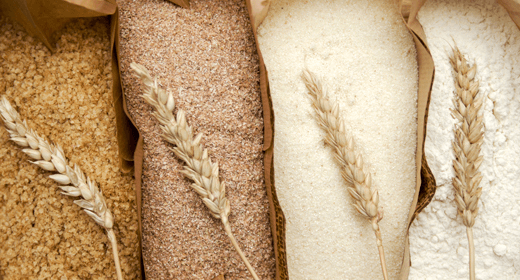
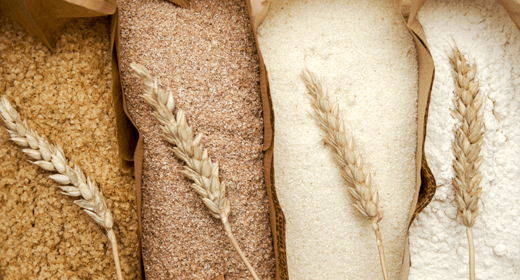
Wheat is a grain used as a high-quality carbohydrate source in dry dog foods and biscuits. It provides energy for daily activity, as well as processing characteristics for the food. IAMS™ research has shown that including wheat in a complete and balanced diet results in a moderate glycemic response in dogs, which is lower, in general, than the response observed when a rice-based diet was fed. 1,2


Misconception About Food Allergies

A common misconception is that feeding wheat causes food allergies. The facts are:

  • The pet must have a hypersensitivity to the food or ingredient. An allergy is an adverse reaction of an individual animal to proteins in the diet.
  • Food allergies are rare in animals and account for a very low percentage of allergic reactions in dogs.
  • If your pet has a food allergy, he is most likely allergic to one ingredient or a combination of ingredients in his diet. In a U.S. study of food-allergic dogs, the two common pet-food ingredients that most often caused an allergic reaction were beef and soy.3


Gluten-Sensitive Enteropathy

Gluten (a protein found in wheat) is responsible for wheat-sensitive enteropathy, occasionally found in Irish Setters from the United Kingdom. Gluten enteropathy of Irish Setters is a malabsorption syndrome, which responds to the removal of wheat (gluten) from the diet. This condition is very rare, and the reason some dogs develop it is not yet clear.
 

1 Sunvold GD. “The role of novel nutrients in managing obesity.” In: Recent Advances in Canine and Feline Nutrition, Vol II: 1998 IAMS Nutrition Symposium Proceedings. Carey DP, Norton SA, Bolser SM, eds. Wilmington, OH: Orange Frazer Press, 1998; 123–133.
 

2 Bouchard GF. “Effect of dietary carbohydrate source on posprandial plasma glucose and insulin concentration in cats.” In: Recent Advances in Canine and Feline Nutrition, Vol III: 2000 IAMS Nutrition Symposium Proceedings. Reinhart GA, Carey DP eds. Wilmington, OH: Orange Frazer Press, 2000; 91–101.
 

3 Jeffers JG. “Responses of dogs with food allergies to a single-ingredient dietary provocation.” J Am Vet Med Assoc. 1996, vol 209(3): 608–611.

  • Puppy Basics: Selecting the Right Food
    Puppy Basics: Selecting the Right Food
    adp_description_block137
    Tips on Choosing a Puppy Food

    • Share

    Dogs need a well-balanced meal for their adequate growth and development. Different breeds and sizes of dogs require a different amount of nutrients. Puppies are at their growing stage, and hence they require more energy for overall development. Nutrients like fat, protein, carbohydrates, vitamins, minerals, and water help the puppy nourish into a healthy dog. Choosing a puppy food is a crucial decision to make as the type of puppy food you choose directly affects your fur baby’s development in the initial years.
     

    IAMS™ is one of the leading puppy food brands that is known for offering food packed with energy and nutrients to support a puppy’s growing age.
     

    How to choose puppy food?

    Pet parents often face the dilemma of how to choose puppy food for their fur baby. Puppies often need twice the amount of nutrients compared to an adult dog. While choosing a puppy food, you must look for meal options that are highly digestive and nutrient dense. The food should be packed with vitamins, proteins, fat, and carbohydrates for your puppy’s healthy growth. Some benefits of selecting the right puppy food are:

    • Shiny fur
    • Exceptional muscle tone
    • Improved vision
    • Better digestion
    • Improved bowel movement
    • Pleasant and playful mood
    • Healthy, happy attitude

    How to choose the right puppy food brand?

    While home food can be nutritious, it can sometimes not be sufficient for a puppy’s growing body. Hence, pet parents need to depend on formulated puppy food that is packed with the goodness of protein and other essential nutrients to support their fur baby’s growth and development stage. However, how to choose the right puppy food brand amongst so many available options? Read the following to know more.

    • Recognised brand: When you buy formulated food for a puppy, always pick well-known brands that do not compromise on quality and quantity. Choosing a well-recognised and established brand that adheres to the law ensures your canine friend gets all the necessary nutrients for its constant and consistent growth.
    • Check the label: Read the product’s name and label to get all the necessary information about its nutritional values. The net product weight and nutrient chart are mentioned on every recognised puppy food brand’s product. Along with checking the nutritional values, you must also look for the manufacturer’s address and contact details. This helps in sending suggestions and grievances directly to the brand. The list of ingredients should be read thoroughly to ensure you do not pick a product with ingredients that do not suit your pooch. The product’s manufacturing and expiry date are also mentioned on the label. Lastly, the label also contains information and directions for feeding your puppy.
    • Ingredients: Puppies need a good source of protein, fibre, and carbohydrates. Puppies need 22 amino acids to produce the right protein needed for their survival. Hence, pet parents have to be very careful and selective when choosing puppy food for their fur babies. Thoroughly going through the list of ingredients allows caregivers to analyse the ingredients and choose the best for their canine buddy. Glancing at the list of ingredients also allows you to avoid products that contain ingredients your puppy is allergic to.

    Moreover, you must also consider your puppy’s breed, size, and weight when confused about how to choose food for the puppy. Smaller breeds of dogs mature faster than larger breeds, this means your puppy’s breed decides how much nutrients it will need for how long. While most puppies can start consuming solid food once they turn 4-weeks old, their transition from puppy food to adult dog food varies depending on their breed, size, and weight. Please consult a vegetarian doctor if you are unsure about your pet’s breed and the amount of nutrients required for its adequate growth.
     

    Nutrients required by different breed sizes

    Different breeds of dogs require a different amount of nutrition for their proper growth and development. Feeding the puppy as per its breed’s requirement ensures that it gets the right amount of nutrients for its physical and psychological growth. Hence, to help you choose the best for your fur baby, we have curated some insights on how much nutrition is required for which breed size.

    • Small breed: This type of breed is smaller in size, which means their anatomy and organs are compact compared to other breeds. However, as these breeds do not grow larger, they mature faster, and hence need more nutrients in their primitive age. Small and toy breed puppies are recommended to feed at least 3 to 4 meals a day to provide all the essential nutrients required for their growth. However, because they have smaller organs, it becomes essential to choose food that can offer more nutrition in a limited quantity.
    • Medium breed: Dogs that are bigger than the toy breed but smaller than giant and large breeds are considered medium-size breeds. You can accomplish a medium size breed’s nutritional quota by offering an adequate animal-based diet. Two meals a day is ideally sufficient for medium-size breeds, provided the food is packed with healthy nutrients required for its growth.
    • Large breed: Contradicting the common belief, this breed does not require more calcium even though it has larger bones. A moderate amount of calcium, phosphorus, and calories are sufficient for a large-breed puppy’s skeleton development. Overfeeding can cause developmental and bone issues in such breeds. Hence, ensuring large breed puppies’ consumption limits while providing them with the right nutrients is essential. You should choose formulas with lesser fat and calories to promote growth in such breeds. Besides, feeding should be limited to 2 to 3 meals per day.

    The physical growth and development of a puppy are at stake during its initial years. Therefore, choosing a diet that meets all its nutritional requirements and provides appropriate nourishment is essential. Caregivers should be mindful of their puppy’s allergies, breed size, and age before selecting a puppy food brand. IAMS offers a wide range of puppy food varieties for different breed sizes based on their nutritional requirements. However, you should consult a vet if you are unsure about your puppy’s nutritional needs and breed.
     

    Why choose IAMS™ for your puppy?

    At IAMS™, we focus on preparing highest-quality food for dogs of all ages and breeds. Our puppy food — IAMS™ Proactive Health™ Starter Mother and Baby Dog – is the ideal pick for your little pooch’s optimal growth and development. Along with being loaded with proteins, vitamins, and minerals, it also contains DHA and colostrum. While DHA ensures healthy cognition for better trainability, colostrum provides essential nutrients that’s only found in the mother dog’s milk.  Enriched with best-quality proteins, fibre, and FOS natural prebiotics, IAMS™ Proactive Health™ Starter Mother and Baby Dog ensures healthy muscles as well as digestive system.

Close modal