Enter a keyword below to search for articles and products.
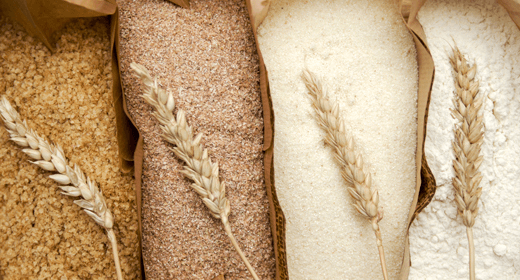
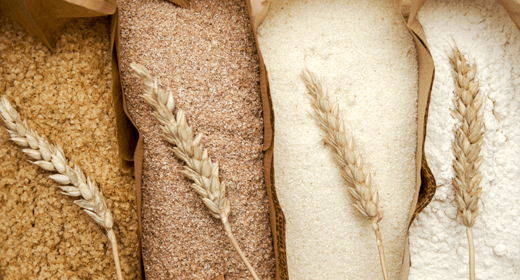
Wheat is a grain used as a high-quality carbohydrate source in dry dog foods and biscuits. It provides energy for daily activity, as well as processing characteristics for the food. IAMS™ research has shown that including wheat in a complete and balanced diet results in a moderate glycemic response in dogs, which is lower, in general, than the response observed when a rice-based diet was fed. 1,2
A common misconception is that feeding wheat causes food allergies. The facts are:
Gluten (a protein found in wheat) is responsible for wheat-sensitive enteropathy, occasionally found in Irish Setters from the United Kingdom. Gluten enteropathy of Irish Setters is a malabsorption syndrome, which responds to the removal of wheat (gluten) from the diet. This condition is very rare, and the reason some dogs develop it is not yet clear.
1 Sunvold GD. “The role of novel nutrients in managing obesity.” In: Recent Advances in Canine and Feline Nutrition, Vol II: 1998 IAMS Nutrition Symposium Proceedings. Carey DP, Norton SA, Bolser SM, eds. Wilmington, OH: Orange Frazer Press, 1998; 123–133.
2 Bouchard GF. “Effect of dietary carbohydrate source on posprandial plasma glucose and insulin concentration in cats.” In: Recent Advances in Canine and Feline Nutrition, Vol III: 2000 IAMS Nutrition Symposium Proceedings. Reinhart GA, Carey DP eds. Wilmington, OH: Orange Frazer Press, 2000; 91–101.
3 Jeffers JG. “Responses of dogs with food allergies to a single-ingredient dietary provocation.” J Am Vet Med Assoc. 1996, vol 209(3): 608–611.


In the past, veterinarians recommended diets for senior dogs largely based on the nutritional management of diseases common to the aging process. Research, however, has shown that special nutrition can help manage body-condition problems in aging dogs, such as obesity and loss of muscle mass. Senior dogs also benefit from special nutrition to help maintain bone and joint health.
Learn more about how you can help your senior dog manage common health issues associated with aging.
Senior dogs tend to gain weight, despite consuming fewer calories, due to changes in their metabolic rate. Therefore, they can benefit from eating a diet with reduced fat levels and lower caloric density than adult maintenance foods.
Recent IAMS™ research in dogs also indicates that L-carnitine — a vitamin-like compound made in the body from the amino acids found in red meats, fish, chicken and milk — can help reduce weight in overweight dogs by escorting fat into cellular mitochondria where it is turned into energy.
Protein is the building block of muscle tissues. It is important for maintenance of muscle tissues, muscle strength and mobility. Recent research conducted by The IAMS Company has shown that senior dogs that eat a higher-protein diet better maintain muscle protein stores. By providing optimal protein levels from muscle maintenance, we can help senior dogs continue being physically active.
This research is contrary to conventional opinion that senior dog foods should contain lower protein levels than adult maintenance formulas to avoid progressive decrease in kidney function. However, senior dogs fed a high-protein diet had stable renal function and a lower death rate than dogs fed a lower-protein diet.*
During the aging process, cartilage between joints often begins deteriorating. Nutritional management can help maintain healthy bones and joints and mobility in dogs in several ways:
Some pet-food manufacturers have endorsed reduced levels of calcium and phosphorus based on the belief that excesses of these minerals are harmful to the kidneys. However, research has shown that no damaging accumulation of calcium or phosphorus was found in the kidneys of older dogs fed diets containing maintenance levels of calcium and phosphorus for four years.*
* Finco, DR. “Effects of aging and dietary protein intake of uninephrectomized geriatric dogs.” American Journal of Veterinary Research; Vol. 55, No. 9. Sept. 1994.