Enter a keyword below to search for articles and products.
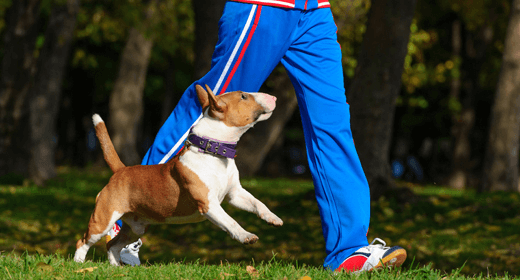
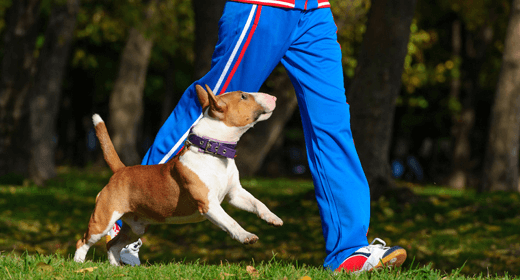
Calling all dog parents! Let’s start with some burning questions: Are you a newbie owner? Is your pooch packing on a few extra pounds? Are they bored? Or treating your loafers like chew toys?
One word: EXERCISE. It’s vital for a healthy, non-problem-child pooch. (And it can be good for your BMI, too!)
Your dog’s breed and age are the two factors that determine how much exercise they need. Check out these tips to be sure your pooch is getting the right amount of physical activity every day.
Your dog’s breed group helps determine their exercise needs.
Sporting group dogs are energetic, natural athletes who should get approximately 90 minutes of high-intensity exercise. They enjoy long, brisk walks, hikes in the woods, swimming and playing fetch.
Examples: Retrievers, pointers, setters and spaniels
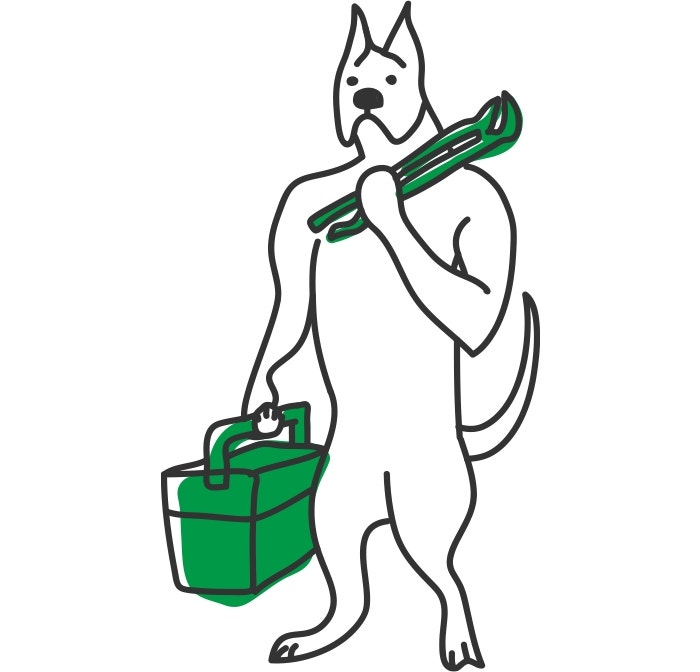
Blue-collar pooches in the working group are happiest when they have a job to do. They need about one to two hours of fun, pant-inducing activity every day. Take them for long walks or hikes, or create a homemade agility course in your backyard.
Examples: Boxers, Alaskan malamutes, Rottweilers and Siberian huskies
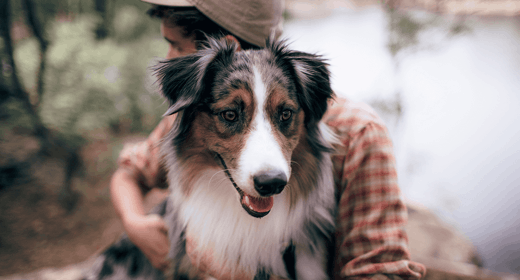
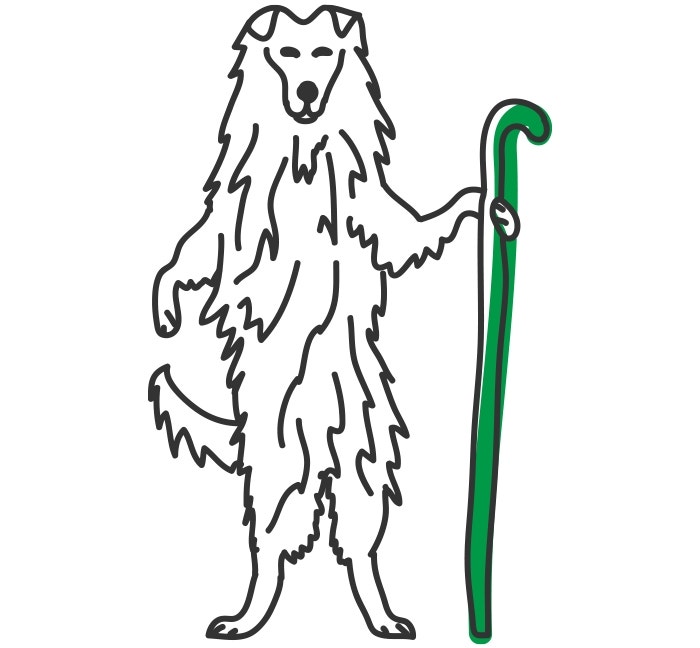
Sixty to 90 minutes of vigorous exercise and play daily? That’s what most high-IQ, high-energy herding group dogs need. You can’t go wrong with activities that challenge them physically and mentally, like long power walks and fun games like fetch, chase and Frisbee.
Examples: Shepherds, collies and sheepdogs
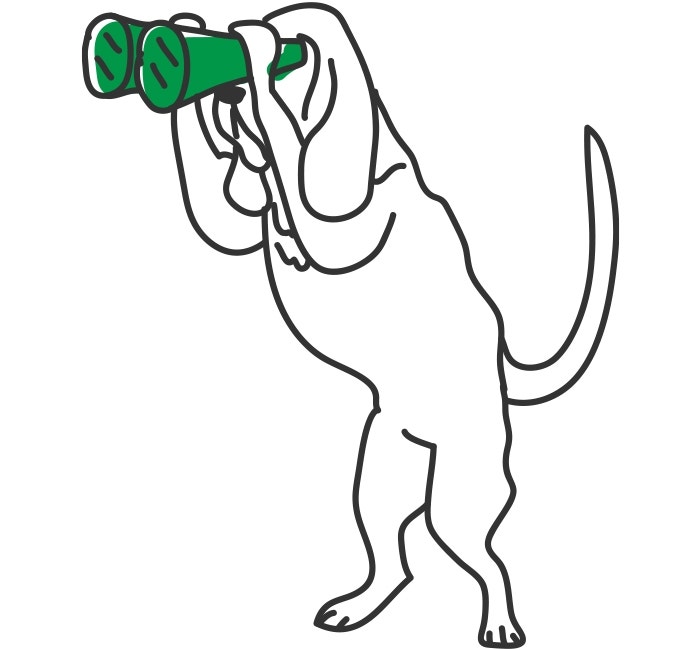
Sight hound dogs need roughly 30 minutes of regular exercise, and scent hound dogs should get about one hour of intense exercise. Take sight hounds on walks or have them do a couple of sprint workouts each week. Scent hounds need longer periods of vigorous activity and love hiking, jogging or playing tracking games in the woods. (Shocking, we know.)
Examples: Afghan hounds, greyhounds, whippets, beagles, bloodhounds and basset hounds
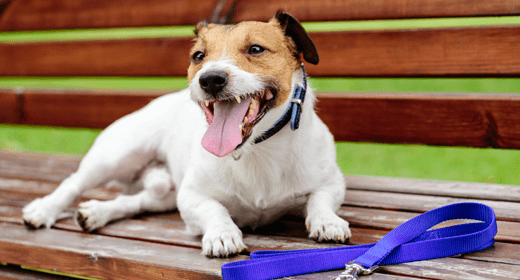
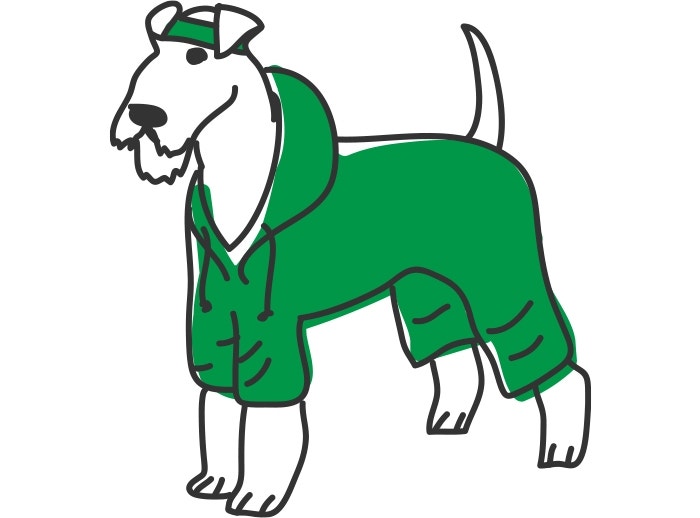
Short-legged terrier group breeds need about 30 minutes of exercise every day, while their longer-legged counterparts need one hour or more. Ideal exercises include fast-paced walks, hikes in the forest and chasing their favorite squeaky ball in the backyard or park.
Examples: Jack Russell terriers, West Highland white terriers (Westies), Yorkshire terriers (Yorkies) and schnauzers
Most petite pups in the toy group are lap dogs, but they should still get approximately 30 to 60 minutes of moderate exercise — they tend to get too husky when they don’t get proper workouts. Plus, toy dogs can really get their hearts pumping in a small area, so consider complementing your daily walks with indoor dog exercise.
Examples: Chihuahuas, Pomeranians and Maltese
here are a ton of different breeds in the nonsporting group, so start with 30 minutes of daily exercise and adjust. Each breed’s exercise needs are unique, and short-nosed dogs, like bulldogs and Shih Tzus, should only have short periods of moderate activity.
Examples: Dalmatians, bulldogs, chow chows and poodles
If you’re the proud parent of a mutt who’s mushed your heart, just follow the exercise suggestions for the most dominant breed or two. (Or ask your vet!)
When figuring out how to exercise with your dog, consider your dog’s age. Each stage has unique exercise requirements.
Puppies are balls of energy that do best with short bursts of exercise. (Think zoomies in the backyard.) The best activities are short, easy walks, a few play sessions throughout the day and, of course, obedience training. Avoid long walks and running because they can be too hard on your pup’s growing bones and joints.
Healthy adult dogs can do just about anything! Whether it’s walking, running, hiking, swimming, or playing tug-of-war or fetch, they’ll be getting the exercise they need to stay healthy and happy — plus they’ll enjoy spending time with you.
Although your senior dog might move at a slightly slower pace than before, they still need exercise and playtime. You may want to shorten walks and fetch time, though, and do other low-impact activities like learning new tricks.
Finally, make sure your dog is properly fueled for their next workout. Feed them high-quality, nutritionally balanced IAMS™ food that’s tailored for their unique size and life stage.
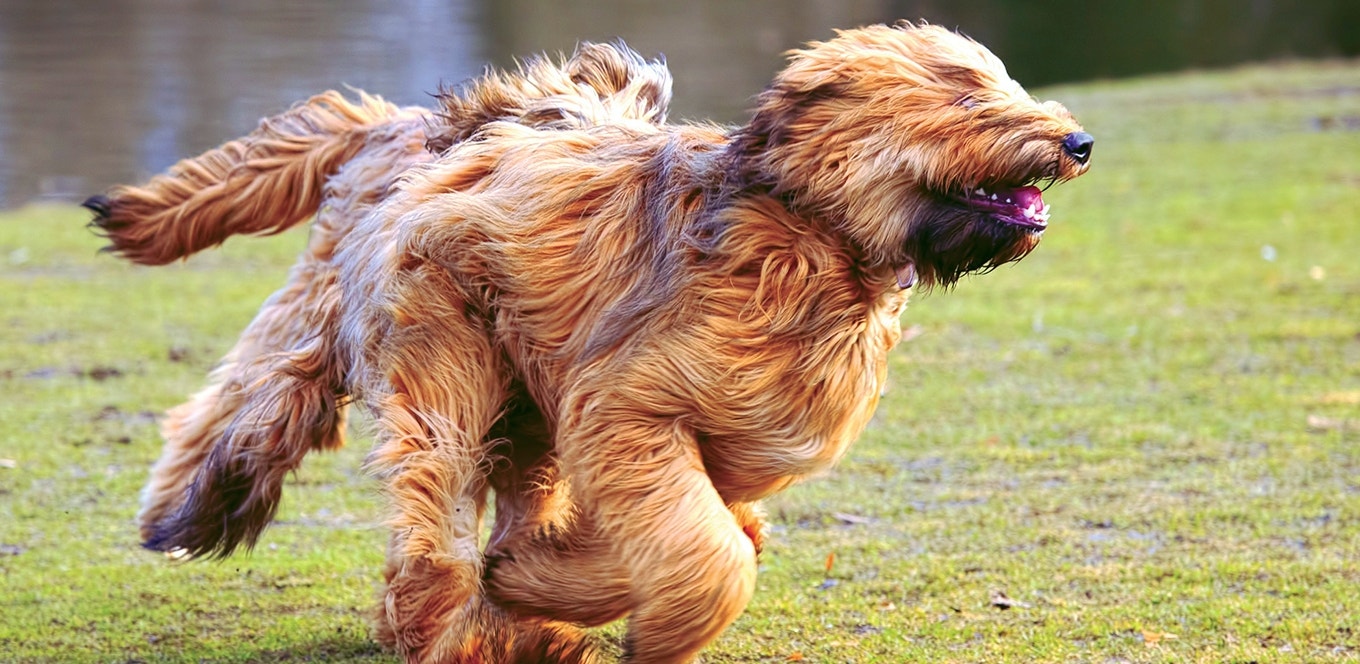


Having a puppy in your household never lets a dull day knock on your door. What could be more exciting than having a fur baby live with you? For some of you, it may also be a lifelong dream finally coming true. While everything about sharing your space with a pup sounds delightful, it starts going south when an untrained puppy takes over the house.
Procrastinating the process of house training a puppy can drive your pooch to eliminate in your house and ruin carpets and furniture. This is not a pretty scenario in the long run because not being able to control your little pup can put you and your family into distress. And most first-time pet parents are clueless regarding how to handle and control their furry companion. If you are one of them, here’s everything you need to do to house train your puppy.
This is not something that you take lightly. You need to be determined and consistent with the process if you want this to stay with your pup forever. House training a dog requires patience and perseverance. Create a puppy house training schedule and stick to it. Try to get your puppy used to walking on leash before you start potty training.
Note: You need to know that your dog is new to your house, it will need time to adjust in the brand-new environment. So, make sure that you do not develop a plan that is too overwhelming for your pet.
A routine always helps in the long run, whether it is for us or for our dogs, establishing a routine will help your dog to understand that there is a specific time to eat, play, sleep, or potty. So, with this, your dog will know that there is a particular time to poop as well. It is better to have a dog with a routine than the one who defecates anytime, anywhere.
Taking your puppy out at appropriate times is non-negotiable. Take it out for a walk right after it wakes up, during its play time, and after it eats or drinks because these are the times when dogs are most likely to want to go. Hence, keep a good gap between meals and water, and bedtime, so your pup does not have to hold their business in for too long.
As a dog parent, you must know that for every month of age, puppies can control its bladder for an hour! So, if your pup is 2 months old, it can hold its bladder for 2 hours. However, 6 hours is the limit. Dogs cannot control their bladder for more than 6 hours.
Commands can help pet parents in communicating with their pooch. If you use a command repeatedly for a certain action, your dog will begin to pick up on the relation between your words and the act. For example, if you keep using the phrase ‘go fetch’ while you throw a toy or a stick, your pet will start understanding that it needs to go and retrieve the object. Similarly, when you take your dog out on a leash and want them to defecate, use the phrase ‘go potty’ and point to a particular spot. This will help them realise that they need to go.
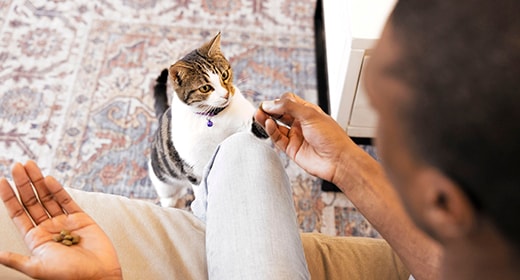
Rewards can help establish a healthy relationship between you and your four-legged friend. These rewards can be in the form of treats or playtime with its favourite toy. It will help you teach new commands while also encouraging good behaviour. Make sure you are not showering treats on your pup before the task or action is complete. For example, give your pooch a treat after it has finished its potty round and not when it is in middle of it. Wondering why? Because then, your pup might not finish what it’s doing and have an accident later inside the house.
Note: If you feel that there's little to no progress, consult your veterinarian to rule out medical issues like bladder infections.
Now that you know how to house train a dog, you must understand that it is a time-consuming process. Your pup might take time to learn, however, with consistent practice, your dog will be obedient. Here are a few things you must know before you two get down to training: