Enter a keyword below to search for articles and products.
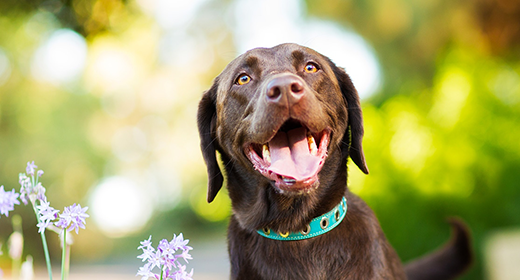
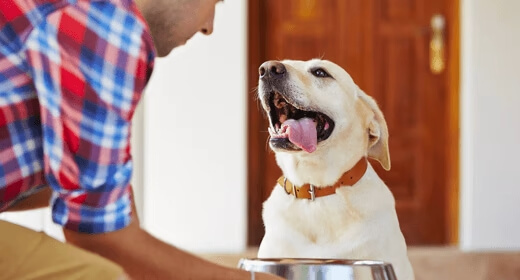
As a veterinarian, I’ve found that pet owners take seriously the responsibility of ensuring their dogs live healthy, happy lives. They worry about making sure their dog gets enough exercise, receives regular wellness checks and receives balanced nutrition that gives them energy to run and play.
What some people don’t realize is that owning and caring a dog can improve the owner’s health as well. Spending quality time with your dog and providing them with quality nutrition is good for the dog and can help ease stress and anxiety levels for you. Studies have shown that owning a pet can decrease blood pressure, cholesterol levels and triglyceride levels — which is great news for your heart health.
In short, when your dog is getting the best care, proper exercise, nutrition and love, they can enjoy a long and healthy life. And that can ultimately make you healthier, too!
Many owners see their dog as part of the family, and that sometimes means they will feed their dog like they feed themselves. For example, some people may choose low-carb or gluten-free diets for themselves and do the same for their pets. However, while this instinct comes from a place of love, many owners don’t realize that their dog’s dietary needs differ from their own.
Take grains for example. As a veterinarian, it’s important for me to note that grains are good for your dog. Yes, you read that right — they’re good!
A very small percentage of dogs may have a food sensitivity that requires a special grain-free diet or a dog food without a certain protein. However, this is not necessary for the vast majority of dogs. Most dogs benefit from a complete, balanced diet with healthy grains, high-quality proteins and essential vitamins and minerals.
Here’s why: Grains are a good source of carbohydrates that provide healthy energy. Some grains, like rice and wheat, provide “quick” energy, while other grains, like barley and sorghum, take longer to convert to energy. A combination of these different grains can offer a time-released energy source that helps dogs sustain energy. The whole grains in IAMS dog food are a beneficial mix, as they supply steady energy.
In addition to the grains you’ll find in IAMS food, you’ll also find high-quality proteins, like chicken and lamb, as well as essential nutrients needed to help support heart health. Together, this combination will give your dog a steady source of energy to be active on walks, runs, hikes or play sessions around the house.
For your dog to be healthy and happy, be sure you feed them a well-balanced diet and allow them enough exercise time. In return, you’ll get unconditional love, plenty of sweet doggy snuggles and maybe even more exercise — just a few of the ways you and your dog are joined at the heart.


Puppies bring abundant joy to our lives from the moment we bring them home and caring for them comes as second nature to us. ‘How to take care of puppies’ is one of the most frequently asked questions by new puppy owners. But taking care of puppies is quite easy with the right method. IAMS is here to help you every step of the way in raising your puppy. From having a varied dog food range to providing tips on dog nutrition, we have got you covered.
Puppies need healthy food and a safe environment as they’re vulnerable to various types of illnesses and diseases. Also, puppies have a natural tendency to chew on objects, so it’s important to ensure that they don’t end up swallowing dangerous objects. Make sure you offer toys to your puppy to satisfy its need to chew.
If you feed your puppy healthy food from the start, it will remain healthy even in its old age. Proper nutrition from the start ensures that your puppy does not fall sick or even suffer from fur loss. Making sure that your puppy remains active is very important. A sedentary lifestyle, even for dogs, is extremely harmful to their health in the long run. All these things are an essential part of taking care of your puppy that adds to its healthy and long life.
Here is a table that will help you understand your puppy’s growth and developmental stage better:
Growth stage | 0-7 weeks | 7-8 weeks | 8-10 weeks | 8-16 weeks | 4-6 months | 6-12 months | 12-18 months |
Character traits | Puppies learn social behaviour like when to bite, submission, paying attention and general interaction with other dogs. | This is the best period for puppies to bond with humans. | This is a very vulnerable stage for the puppy, and it is best if it has positive experiences during this stage. It is also called the ‘fear period’. | You can start training your puppy during this stage. And avoid incorporating punishment for this purpose. | Your puppy may appear more confident and independent during this stage. | This is the stage when your pup is high on energy. You must ensure it does not experience boredom during this stage. | By the time your pup reaches this stage, it should have reached emotional maturity as well. |
You may begin training them at this stage with basic simple manners. | It is important to make your puppy feel good if it’s sad. | Ensure you get your puppy spayed or neutered by the 6th month. | Provide many opportunities to your dog to play with different kinds of toys. | During this phase, your dog tends to assert its dominance and hope to improve its status in your house. |
Owning a puppy feels special, doesn’t it? You have to keep a few things in mind when you bring your puppy home. Here are some tips that may help you raise your dog with ease: