Enter a keyword below to search for articles and products.
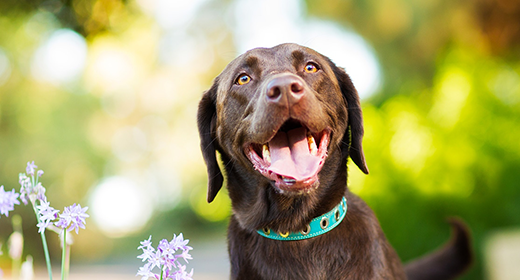
As a veterinarian, I’ve found that pet owners take seriously the responsibility of ensuring their dogs live healthy, happy lives. They worry about making sure their dog gets enough exercise, receives regular wellness checks and receives balanced nutrition that gives them energy to run and play.
What some people don’t realize is that owning and caring a dog can improve the owner’s health as well. Spending quality time with your dog and providing them with quality nutrition is good for the dog and can help ease stress and anxiety levels for you. Studies have shown that owning a pet can decrease blood pressure, cholesterol levels and triglyceride levels — which is great news for your heart health.
In short, when your dog is getting the best care, proper exercise, nutrition and love, they can enjoy a long and healthy life. And that can ultimately make you healthier, too!
Many owners see their dog as part of the family, and that sometimes means they will feed their dog like they feed themselves. For example, some people may choose low-carb or gluten-free diets for themselves and do the same for their pets. However, while this instinct comes from a place of love, many owners don’t realize that their dog’s dietary needs differ from their own.
Take grains for example. As a veterinarian, it’s important for me to note that grains are good for your dog. Yes, you read that right — they’re good!
A very small percentage of dogs may have a food sensitivity that requires a special grain-free diet or a dog food without a certain protein. However, this is not necessary for the vast majority of dogs. Most dogs benefit from a complete, balanced diet with healthy grains, high-quality proteins and essential vitamins and minerals.
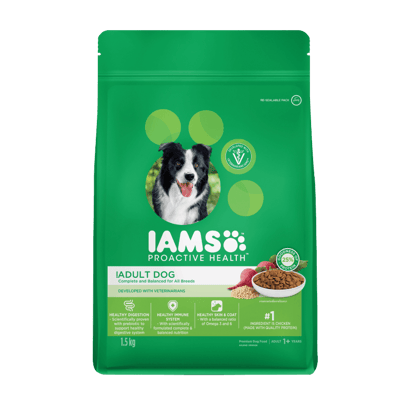
Here’s why: Grains are a good source of carbohydrates that provide healthy energy. Some grains, like rice and wheat, provide “quick” energy, while other grains, like barley and sorghum, take longer to convert to energy. A combination of these different grains can offer a time-released energy source that helps dogs sustain energy. The whole grains in IAMS dog food are a beneficial mix, as they supply steady energy.
In addition to the grains you’ll find in IAMS food, you’ll also find high-quality proteins, like chicken and lamb, as well as essential nutrients needed to help support heart health. Together, this combination will give your dog a steady source of energy to be active on walks, runs, hikes or play sessions around the house.
For your dog to be healthy and happy, be sure you feed them a well-balanced diet and allow them enough exercise time. In return, you’ll get unconditional love, plenty of sweet doggy snuggles and maybe even more exercise — just a few of the ways you and your dog are joined at the heart.
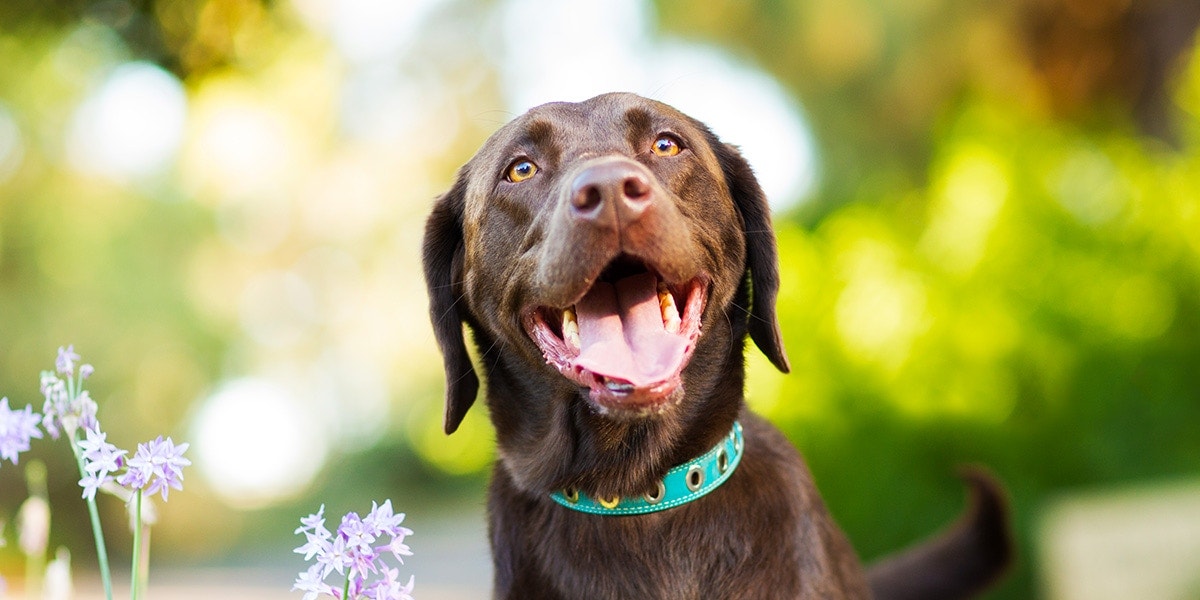
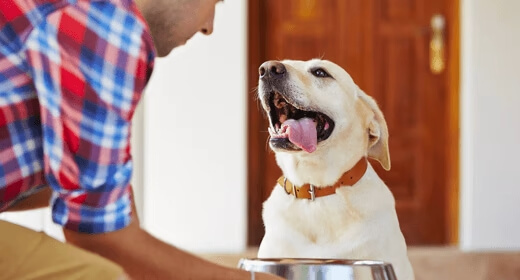
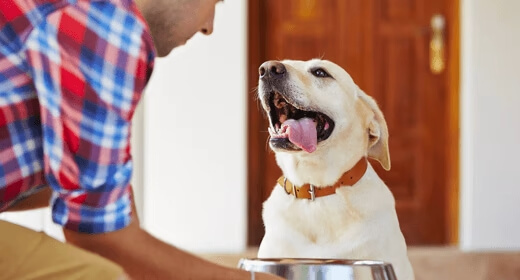
As a pet parent, do you find yourself wondering, does dog food expire? If so, you’re not alone! In this blog, we will take you through everything you need to know about dog food expiry.
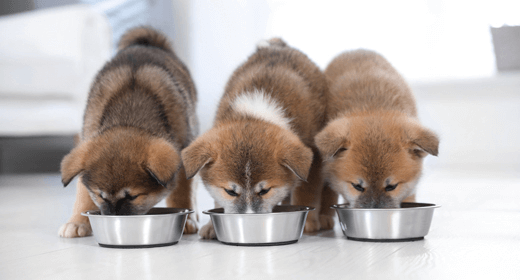
Dogs require a balanced meal every day. As a pet owner, you can choose between dry and wet foods. Dry dog food usually resembles a biscuit or kibble. On the other hand, wet dog food combines meat products or other protein sources with a gravy that incorporates grains, minerals, and vitamins. Whatever your dog finds palatable, make sure their nutritional requirements are met.
Diets that are high in protein are good for dogs. A significant source of energy is found in dietary fats, which are either derived from plant seed oils or animal fats. They offer essential fatty acids, like omega-3s, that are necessary to preserve the health of your dog's skin and coat. Additionally, carbohydrates support your pet's digestive health and provide energy for them to continue with their regular activities.
While it is important to focus on your pet’s daily nutritional intake, you should also make sure that the food packets are still fresh. So, to answer your question, ‘can dogs eat expired food’, the answer is certainly no! It’s because serving expired dog food will deprive your canine companion of the key vitamins and minerals, they need to keep healthy. Hence, it is important to examine the labels and expiration dates before making a purchase.
The amount of time a product is useable and suitable for consumption is referred to as its shelf life. In contrast, expiry date is the last day that a perishable product, like food, will be at its highest quality.
If you are pondering does dog food expire, the answer is a yes. In fact, the contents and types of preservatives used do affect the shelf life of a food item. So, to guarantee your dog's safety, pet food producers set expiration or best by dates. Unopened canned foods have a shelf life of two years from the date of manufacturing, whereas unopened dry pet foods typically have a shelf life of 12 to 18 months. Plan to open and use the dog food before the expiration date. You can usually find this date on the bottom of the can containing dog food.
Now that you know dog food expires, let’s examine the effects of serving expired food to your pet:
After consuming spoiled food, dogs generally exhibit the same gastrointestinal symptoms as people do. These symptoms could include vomiting, diarrhea, and passing wind. Spoiled foods can also contain bacteria that can disturb the equilibrium in the gut and intestines, causing the body to excrete more fluids in an effort to wash them out. What’s more is that moldy dog food can contain mycotoxins like vomitoxin, which can cause serious gastrointestinal disorders.
Dogs can become paralyzed from botulism. It is a rare condition occurring when canines consume contaminated food. The poison gets absorbed in the intestines and passes into the bloodstream, thus paralyzing dogs.
Another consequence of feeding your pet spoiled dog food is malnutrition. Before turning moldy, spoiled foods usually lose their vitamin and mineral value. This suggests that even if the food doesn't upset your dog's stomach, it is still not giving your pet what they require. Your dog may become lethargic if daily nutritional demands aren't met. This can eventually result in bone issues and organ failure, if not recognized as early as possible.
Even if you have a food item that is still within its best by date, improper storage could lead to early contamination and food degradation. Here are some steps you must take to prolong the shelf life and maintain food quality:
Purchasing multiple boxes of treats may save you from making repeat visits to the shop. However, keeping so much stock might increase the likelihood that your dog's food goes bad before it gets completely consumed. Therefore, shop frequently if you don’t want your dog’s food to expire.
The shelf life of fresh, wet items can be increased by keeping them in the freezer. Any unopened canned food should be sealed with plastic wrap and stored in the refrigerator.
Use chip clips to seal the food bags and keep moisture out. You could also store your pet’s food in its original packaging and stack it in a cool, dry place with little exposure to heat and light. Avoid keeping dry dog food open.
Dog food that has expired needs to be tossed out right away. There are also waste management facilities that compost used pet food.
If you're looking for the perfect dog for you, try our Dog Breed Selector today and enjoy a lifetime of tail-wagging joy.