Enter a keyword below to search for articles and products.
Bringing home a new puppy is a fun and exciting event for a first-time dog parent. Congratulations! If you have recently brought a cute little puppy home. We know the joy that comes with welcoming a tiny furry pup into your family; however, with a newborn pet comes new responsibilities. And the most important responsibility as a dog parent is being prepared with the right puppy essentials. These essentials will help you ensure that your four-legged angel feels comfortable in its new home.
However, if this is your first time being a pet guardian, you might be nervous about getting the right items for your floof. You might even get overwhelmed with the items that you need to buy for the health and safety of your fur baby. Therefore, you must be prepared with all the essentials well in advance. Since this is your first time, you must also learn basic skills like how to pick up a puppy. After all, you don’t want to make your pooch uncomfortable.
Puppies are cute and cuddly, which makes it impossible for new pet parents to not have the urge to pick and hold them at every instance. But before you rush to pick up the cuddly fur baby, you need to know how to pick a puppy in the correct way. Since its body is still developing, you must know how to hold your pooch without hurting its body. Given below are a few steps to follow for picking up a new puppy after bringing a puppy home.
Before you bring home your dog, make sure you have all the things needed for the puppy at home. Welcome your little one by keeping the new puppy checklist ready:
You need to arrange for a few things as your puppy is cosying up at the new place. The following are a few things you can do to make your puppy feel at home in its new abode:
Ideally, take your kids along when adopting a puppy. This way, the children will feel more connected to the newest addition to the family. Once you get the puppy home, it is natural that your kids will want to play with the new family member. However, don't let them play together for longer durations as both puppies and babies need a lot of rest. Limit puppy-children play sessions to a maximum of 15 to 30 minutes twice or thrice a day. However, you should constantly observe them as both kids and puppies need constant guidance for safety.
Puppies are curious and clueless. They need constant observation to avoid accidents and clashes. You need to be vigilant and alert when introducing your new puppy to other pets. It is best to introduce the puppy to other pets once they have settled in the new place. Take the puppy to the senior dogs and allow them to mingle. Do not worry if they sniff or lick each other as it’s a normal way of greeting. However, you might need to intervene if they start biting or barking at each other.
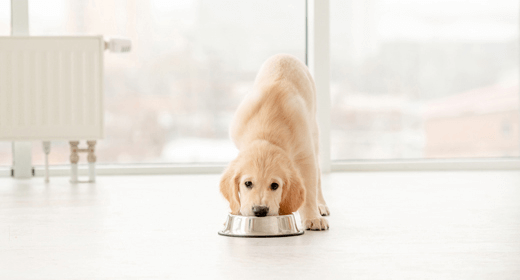
Although bringing a puppy home is a joyous occasion, do not forget to get all the puppy essentials to welcome it to its new home. Make a new puppy checklist consisting of all the essential items that you need to get for the fur baby. Food, grooming kit, bedding, and treats are some of the most essential things you need to arrange for the new fur baby. However, along with arranging for materialistic things, you also need to create a safe, secure, and nurturing environment for your dog to grow in.
New puppy checklist is important to keep a track of essential items that you should buy before the pup comes home. This checklist covers all important things ranging from food, leashes, crates, and more.
There are many things needed for a puppy from time to time. Along with nutritious food, rest, and regular training, they also need a secure and enriching environment to grow in.
On your puppy’s first night home, it should sleep in a dog crate. Add blankets and cushions to ensure that the crate is cosy.
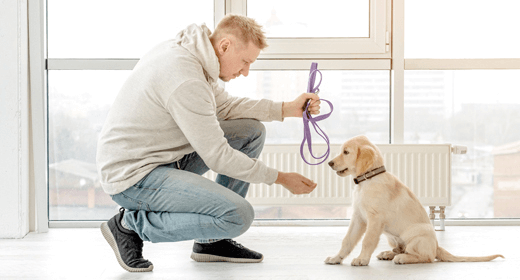
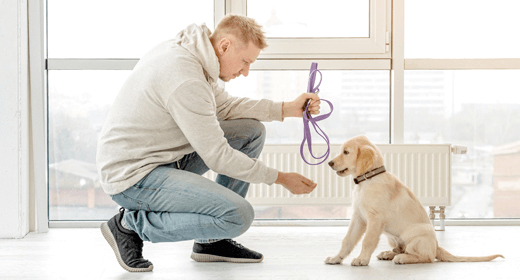
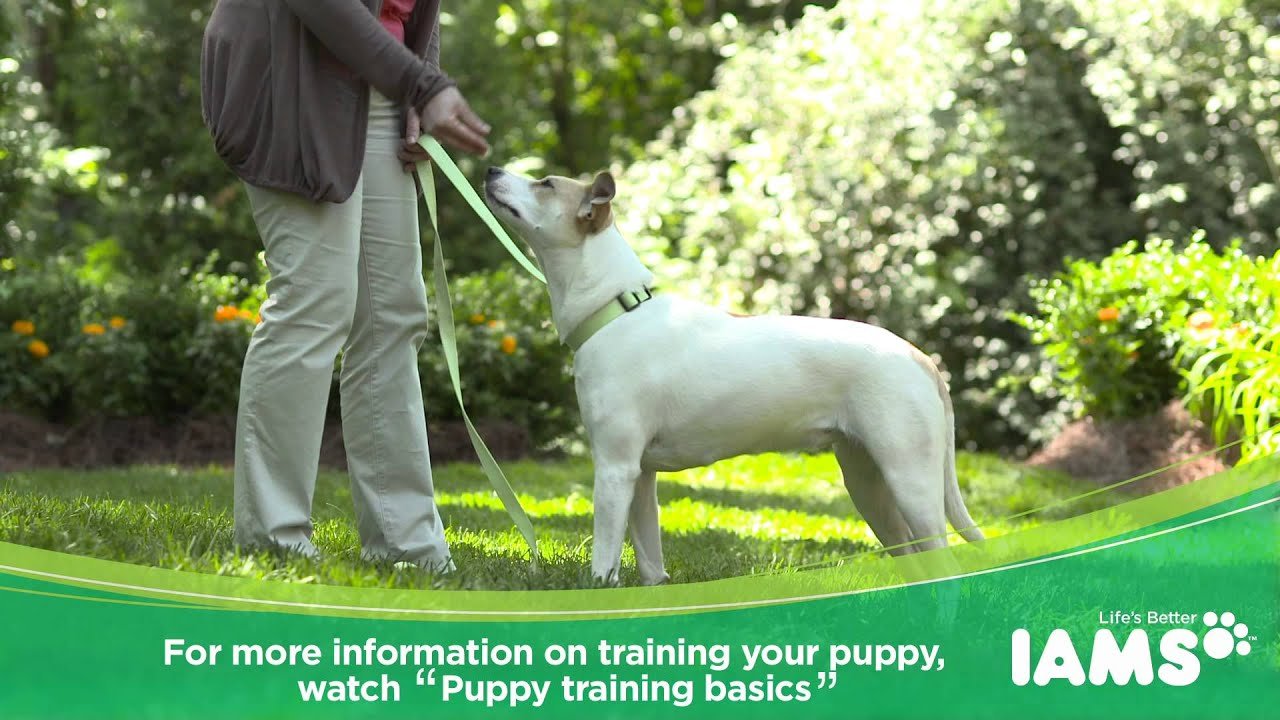
You want to take your new puppy out for a stroll; now, all you need to do is train him to walk on a leash. Watch as Expert Pet Trainer Kathy Santo show you how to walk your new family member.
Hi, I'm Kathy Santo with IAMS, and today we're going to talk about how to leash train your puppy. Once your puppy is around eight weeks old, you can begin leash training. The first thing you'll need is a collar or harness that fits your puppy appropriately, never too lose or too tight. You should be able to fit two fingers between the collar and your puppy's neck. When deciding between using a collar or a harness, there are a few things to consider. Does your puppy have any respiratory issues? Does your puppy pull when being walked on leash? Use a harness or head halter if your puppy pulls on leash, or has respiratory problems. Before you can jump right into training, you'll need to get your puppy used to wearing a collar and having the added weight of a leash. The best thing to do is have him wear the collar or harness and leash around the house, so he becomes used to the feeling. Be sure to keep an eye on your puppy to make sure he doesn't get trapped, caught, or accidentally injured. If your puppy is noticeably struggling, or looks scared, start off with a shoelace, or a small piece of rope, so he can get used to dragging only a little something around. This will help him get used to the added presence and weight of a collar and leash. Now for walking on a leash. The leash should have some slack, because when you put pressure on a dog, their natural reflex is to move or pull in the opposite direction. If you find that your puppy is afraid of walking with the leash, try placing treats along the route you know you'll be walking, to give him the notion that good times are ahead. That way, he learns to focus on what's ahead of him with curiosity, and not fear. As you begin walking your puppy, you will notice that your pace will sometimes have to be faster than you expect to retain slack in the leash. The more you work with your puppy, the quicker you'll be able to train him to slow down, while maintaining the needed slack. As you walk around, begin incorporating specific commands for your puppy. Basic commands include sit, stay, and heel, or let's go. Do your best to remain consistent with your commands, and guide your puppy through the learning process. For example, when you say sit, guide your puppy to sit until the command is recognized by the puppy. When you say heel, make sure your puppy is obeying your command before you start walking again. When your puppy starts to move ahead too quickly, come to a complete stop and wait for him to cease pulling before going forward. Practice his stop and go, never allowing your puppy to dictate your pace. If your puppy continues to pull on his leash, ask him to change directions, while saying 'turn.' This will condition your puppy to always look for you for direction, instead of him feeling like he can dictate where the two of you go next. I also like to run backward, and then switch to a different direction. This gets your puppy excited about chasing you. Remember to reward your puppy when he does the right thing, so that he begins to understand what you're asking him for. If your puppy still isn't catching on, try upgrading your treats, practicing in an area with fewer distractions, or working on more basic commands. Leash training takes time and patience. Both you and your puppy may get frustrated during the learning process. Do your best to avoid tugging. It's not fair to correct them for something they don't understand. As your dog enters adolescence, and clearly knows the difference between right and wrong, it's OK to give a slight occasional tug on his leash, if he insists on being difficult. If you remain patient and consistent with your puppy, he'll be leash trained in no time. I'm Kathy Santo with IAMS, and I hope that you found this helpful as you welcome your new addition to your family.