Enter a keyword below to search for articles and products.
Bringing home a new puppy is a fun and exciting event for a first-time dog parent. Congratulations! If you have recently brought a cute little puppy home. We know the joy that comes with welcoming a tiny furry pup into your family; however, with a newborn pet comes new responsibilities. And the most important responsibility as a dog parent is being prepared with the right puppy essentials. These essentials will help you ensure that your four-legged angel feels comfortable in its new home.
However, if this is your first time being a pet guardian, you might be nervous about getting the right items for your floof. You might even get overwhelmed with the items that you need to buy for the health and safety of your fur baby. Therefore, you must be prepared with all the essentials well in advance. Since this is your first time, you must also learn basic skills like how to pick up a puppy. After all, you don’t want to make your pooch uncomfortable.
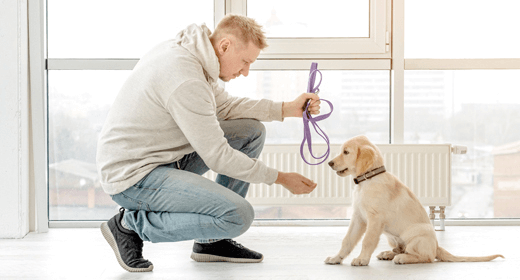
Puppies are cute and cuddly, which makes it impossible for new pet parents to not have the urge to pick and hold them at every instance. But before you rush to pick up the cuddly fur baby, you need to know how to pick a puppy in the correct way. Since its body is still developing, you must know how to hold your pooch without hurting its body. Given below are a few steps to follow for picking up a new puppy after bringing a puppy home.
Before you bring home your dog, make sure you have all the things needed for the puppy at home. Welcome your little one by keeping the new puppy checklist ready:
You need to arrange for a few things as your puppy is cosying up at the new place. The following are a few things you can do to make your puppy feel at home in its new abode:
Ideally, take your kids along when adopting a puppy. This way, the children will feel more connected to the newest addition to the family. Once you get the puppy home, it is natural that your kids will want to play with the new family member. However, don't let them play together for longer durations as both puppies and babies need a lot of rest. Limit puppy-children play sessions to a maximum of 15 to 30 minutes twice or thrice a day. However, you should constantly observe them as both kids and puppies need constant guidance for safety.
Puppies are curious and clueless. They need constant observation to avoid accidents and clashes. You need to be vigilant and alert when introducing your new puppy to other pets. It is best to introduce the puppy to other pets once they have settled in the new place. Take the puppy to the senior dogs and allow them to mingle. Do not worry if they sniff or lick each other as it’s a normal way of greeting. However, you might need to intervene if they start biting or barking at each other.
Although bringing a puppy home is a joyous occasion, do not forget to get all the puppy essentials to welcome it to its new home. Make a new puppy checklist consisting of all the essential items that you need to get for the fur baby. Food, grooming kit, bedding, and treats are some of the most essential things you need to arrange for the new fur baby. However, along with arranging for materialistic things, you also need to create a safe, secure, and nurturing environment for your dog to grow in.
New puppy checklist is important to keep a track of essential items that you should buy before the pup comes home. This checklist covers all important things ranging from food, leashes, crates, and more.
There are many things needed for a puppy from time to time. Along with nutritious food, rest, and regular training, they also need a secure and enriching environment to grow in.
On your puppy’s first night home, it should sleep in a dog crate. Add blankets and cushions to ensure that the crate is cosy.
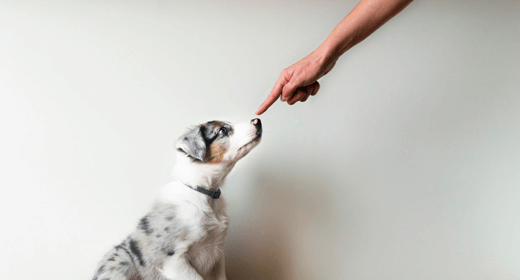
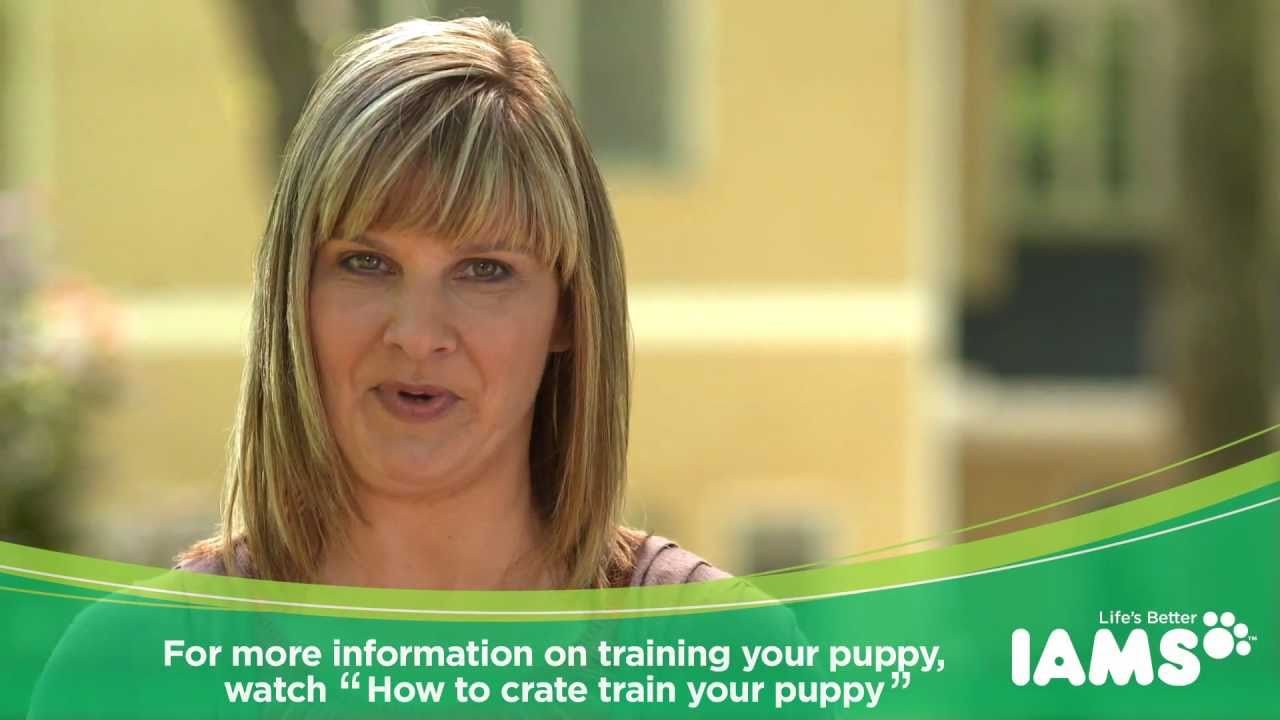
A new puppy is wonderful in pretty much every way, at least until they start having accidents around your apartment or house. But do not fear, Expert Pet Trainer Kathy Santo has all the answers. Watch as she takes you through the basics on everything from establishing a routine to rewarding your puppy when they eliminate outdoors.
House training your puppy requires more than a stack of old newspapers. It calls for patience, commitment, and above all, consistency. Hi, I'm Kathy Santo with IAMS, and today we're going to talk about how to house train your puppy. A trusting and consistent relationship is fundamental to successful house trading. The more consistent you are, the faster your puppy will learn. House training a puppy can take several weeks, and sometimes longer with smaller breeds. The first step to house training your puppy is to establish a routine. Puppies do best on a regular schedule, because it teaches them that there are times to eat, times to play, and times to potty. As a general rule, a puppy can control his bladder about an hour for every month of age. So if your puppy is only three months old, he can probably only hold it for about three hours, if not less. Make sure to take him right out after he wakes up, during and after play time, and after eating or drinking, because these are times he'd most likely to have to go. If you work, and are unable to take your puppy outside as often as needed, you could hire a dog walker to give your puppy his necessary breaks. I recommend picking a specific bathroom spot outside, and always taking him there first when he's on a leash. While your puppy is going, say something like, 'go potty,' so that you can eventually use that phrase to remind him what to do. You should take him out for a walk or play time after he's gone potty, or he might just learn to hold it to keep you outside. Reward your puppy every time he goes potty outdoors with praise or a treat, but make sure to do so immediately, before he goes back into the house. Rewarding correct behavior is the best way to teach your puppy. Be careful not to reward your puppy until he's completely finished, or he may forget to finish up outside, and then have an accident inside. And remember, what goes into a puppy on a schedule comes out of a puppy on a schedule. So always take your puppy out after feeding. Try picking up your puppy's water dish about two and a half hours before bedtime, so he won't have as much water to try and hold overnight. If you keep a consistent schedule, your puppy could be house trained by the time he's five to six months old. But don't be discouraged if it takes your puppy longer, or has an occasional accident. Many factors, including breed of dog, consistency, and temperament can contribute to a longer training period. If you feel that there's little to no progress, consult with your veterinarian to be sure that a medical issue, such as a bladder infection, isn't the culprit. Supervision in the beginning is critical. Exercise pens are extremely helpful while house training. Keeping your puppy in a small space within eyesight will allow you to notice and react when they start showing the signs of needing to eliminate. Those signs can be barking, scratching at the door, squatting, sniffing, or circling. If you're unable to monitor your puppy, you can confine him to an area small enough so that he won't want to eliminate there. A space just large enough for him to lay down with a couple extra inches is just fine. Many people choose to combine with a crate, which can be very helpful for house training your young dog. For more information on crate training, watch 'How To Crate Train Your Puppy.' I'm Kathy Santo with IAMS, and I hope that you found this helpful as you welcome your new addition to your family.