IAMS MY
Why Fiber Is Important for Your Cat’s Nutrition

adp_description_block293
Reasons to Include Fibre-Rich Cat Food in Your Pet’s Diet

  • Share

A cat’s diet largely includes other smaller animals as they are carnivorous. However, most cats avoid consuming the animal’s intestinal tract which contains most fibre. This can lead to a lack of fibre in the cat’s diet. But do cats need fibre? Yes. Lack of fibre can result in irregular bowel movement, digestive issues, and other similar health concerns. 

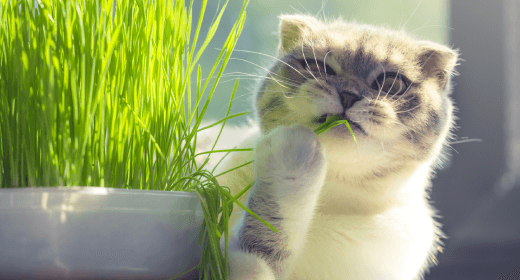
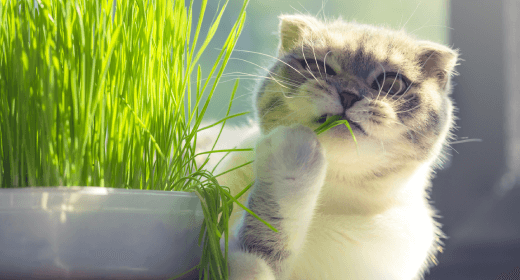
Cats often munch on green grass and leaves to ease constipation. However, they might resist including fibre in their daily meal and only rely on it when ill. But, to ensure your cat’s best physical well-being, you should choose fibre-rich food for cats.

Understanding the classification of fibre for cats

Fibre-rich cat food is essential as it helps in maintaining their digestive health. Thus, pet parents should try to include the necessary amount of fibre in their kitty’s diet. It will help maintain their digestive health and overall well-being. Cat food fibre can be classified based on its solubility.

  1. Soluble fibre: This type of fibre can easily dissolve in gastric juices and gut water. A certain type of soluble fibre also turns into a gel to make excretion easier for the cat. Fibre-rich cat food should include soluble fibre as it is necessary for their digestion and gut health. Cat food with fibre is easily available in the market and is necessary for their physical well-being.
  2. Insoluble fibre: Fibre-rich cat food should contain insoluble fibre alongside soluble fibre. Insoluble fibre adds bulk to the food which ensures easy movement of food through the digestive system. This type of fibre also makes the stool consistent and reduces the chances of constipation.

While choosing cat food with fibre, you should make sure it includes both soluble and insoluble fibre. Besides, the cat’s gut bacteria can break down both soluble and insoluble fibre to produce new compound that helps in nourishing their colon cells.

Why do cats need fibre?

Fibre-rich cat food contains prebiotics, which means they also contain good bacteria that are necessary for a healthy intestine. So, as a cat parent, you should invest in high-quality cat food with fibre to keep your little fur baby’s gut health in check. However, how much fibre does a cat require??

Although fibre is essential for cats, they require it in limited quantities. Too much fibre can risk restricting absorption of nutrients in their body, whereas too little can lead to poor digestive health. The appropriate quantity of fibre for cats is between 1.4 to 3.5% of their daily calorie intake.

Good sources of fibre for cats

Planning to include cat food with fibre in your kitty’s daily diet? Consider adding the following food options to their meal to increase fibre content in your fur baby’s diet.

  1. Animal fibre: Providing fibre-rich food made using a mixture of feathers, fur, bones, tendon, cartilage, and other animal organs can help improve your kitty’s intake of fibre while still sticking to a purely carnivorous diet.
  2. Carrots: Occasionally, you can add a little piece of cooked carrot to the cat’s diet. Carrots are a good source of fibre and vitamin C. They are also non-toxic; hence, you can add a little piece of raw carrot or slightly steamed or boiled carrot along with their daily meal to turn their regular diet into a fibre-rich one.
  3. Green beans: Another fibre-rich food for cats is green beans. This low-carbohydrate food is one of the richest sources of fibre. If planning to add fibre for cats, include a small amount of green beans to their diet.
  4. Wheat bran: This byproduct of wheat is an expensive source of fibre for cats. Wheat bran’s nutty-sweet flavor intrigues cats and can easily provide them their daily fibre without much hassle.
  5. Broccoli: Like most green food, broccoli is yet another good source of fibre. You can serve a small piece of blanched broccoli to your kitty’s diet to keep indigestion and constipation at bay.
  6. Spinach: Rich in vitamins C and K, spinach is a very good plant-based fibre for cats. You can add a few leaves of cooked spinach to your kitty’s daily meal and ensure they get their daily dose of fibre for better gut health.
  7. Lettuce: Lettuce contains a good amount of fibre and water. Allowing your kitty to nibble on a lettuce leaf occasionally will ensure sufficient fibre consumption while also keeping it hydrated.

Besides relying on the above-mentioned plant-based and animal-based fibre, you can also buy IAMS high-fibre cat food to ensure that your kitty gets the right amount of fibre in its meal. IAMS high-fibre cat food such as IAMS ProActive Health Adult Original with Chicken contains a moderate quantity of fermentable fibre along with the chicken. This cat food with fibre is made using fermentable fibre and chicken that your cat is sure to relish. Besides, IAMS is a popular cat food brand that is known for using best-quality ingredients, so your furry friend gets nothing but the best.

Frequently asked questions

  1. How do I get fibre into my cat?
  2. You can easily add fibre into your cat’s diet by choosing a cat food brand that offers fibre-rich cat food or by adding animal-based or plant-based fibre to their daily meal.

  3. Is high-fibre diet good for cats?
  4. Yes, cats need fibre for better gut and intestinal health. However, a cat’s fibre intake should not be more than 3.5% of its daily calorie diet.

  5. Does wet or dry food have more fibre?
  6. Dry food often has more fibre as it contains more bulk compared to wet food which contains more moisture.

  7. Do indoor cats need more fibre?
  8. Yes, all cats need fibre for better digestion and gastrointestinal health.

  9. What fibre is best for cats?
  10. Plant-based fibre such as broccoli, lettuce, carrots, wheat brans, spinach, wheatgrass, and green beans are good for cats. You can also add animal-based fibre such as animal feathers, cartilage, bone, and ligaments to your cat’s diet for encouraging fibre consumption.
  • Our Favorite Tips to Train a Kitten
    Our Favorite Tips to Train a Kitten
    adp_description_block4
    Training Your Kitten for a Lifetime of Good Behaviour: Tips for a Purrfect Companion

    • Share

    Bringing a new kitten into your home is an exciting time for any pet lover. As your furry little bundle of joy grows and develops, it's important to remember that proper kitten training is essential for its physical and behavioural well-being. In the crucial growing years, a kitten's brain is like a sponge, absorbing information and learning new skills at an incredible speed. With proper guidance and loving touch, you can ensure that your kitten grows into a well-adjusted, happy, and healthy family member. This blog post will share tips to train your kitten and provide them with the best possible start in life.
     

    Tips to train your kitten

    As a new kitten parent, it's important to understand that kitten training should be a fun and positive experience for you and your furry friend. You can teach your kitten everything from basic commands to good manners with patience, consistency, and a few simple tips. Here are some of our top tips for training your kitten:


    1. Teach important commands

      Teaching your kitten to sit is the first step in training. Start by holding a treat in front of their nose and slowly moving it up and over their head. As they look up to follow the treat, their bottom should naturally lower to the ground. As soon as they sit, say 'sit' and give them the treat. Repeat this process several times a day until they understand the command.
       

    2. A place to call their own

      Crate training is an excellent way to provide your kitten with a safe and comfortable space to call their own. Start by placing a soft blanket and a few toys inside the crate. Let your kitten explore the crate on their own and reward them with treats and praise when they go inside. Over time, you can start closing the door for short periods and gradually increase the duration.
       

    3. Exploring the world around them

      Socialization is an important part of kitten training. Start by introducing your kitten to friends, family, and other pets. Take your fur baby on short car rides and expose it to sights, sounds, and smells. The more it is exposed to different people, animals, and environments, the more confident and well-adjusted it will be as an adult.
       

    4. Playtime is important!

      Training your kitten to play with toys is a great way to stimulate it mentally and physically. Start by introducing your purrfect pal to various toys and see what interests it the most. Once it is engaged, you two can indulge in fun games like fetch, chase, and tug of war.
       

    5. Potty training

      Litter training is an essential part of kitten training. Start by placing your kitten in the litter box after meals and naps. When they use the litter box, reward them with treats and praises. Be sure to clean the box regularly and keep it in a quiet, accessible location.
       

    6. Dining etiquette for kittens

      Teaching your kitten proper feeding etiquette is important for its overall health and wellbeing. Start by teaching them to eat from a bowl and not to beg at the table. Be consistent with their feeding schedule and monitor their weight to ensure they receive full nutrition.
       

    7. Make them recognize their name

      Teaching kittens to recognize their name is an important step in training. Start by calling their name and rewarding them with treats and praises when they respond. Be consistent with their name and use them as much as possible.

      Overall, training your kitten is an ongoing process that requires patience and consistency. Remember to use positive and reward-based training methods. And most importantly, have fun! Make sure to give your kitten lots of love, praises, and treats as they learn and grow.

    Our Favorite Tips to Train a Kitten
    Our Favorite Tips to Train a Kitten
    Our Favorite Tips to Train a Kitten
Close modal