IAMS MY
Why Fiber Is Important for Your Cat’s Nutrition

adp_description_block215
Reasons to Include Fibre-Rich Cat Food in Your Pet’s Diet

  • Share

A cat’s diet largely includes other smaller animals as they are carnivorous. However, most cats avoid consuming the animal’s intestinal tract which contains most fibre. This can lead to a lack of fibre in the cat’s diet. But do cats need fibre? Yes. Lack of fibre can result in irregular bowel movement, digestive issues, and other similar health concerns. 

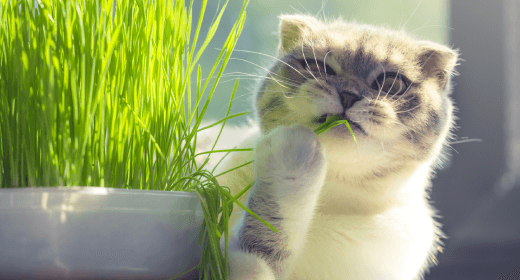
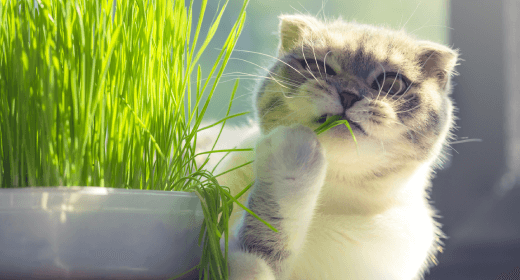
Cats often munch on green grass and leaves to ease constipation. However, they might resist including fibre in their daily meal and only rely on it when ill. But, to ensure your cat’s best physical well-being, you should choose fibre-rich food for cats.

Understanding the classification of fibre for cats

Fibre-rich cat food is essential as it helps in maintaining their digestive health. Thus, pet parents should try to include the necessary amount of fibre in their kitty’s diet. It will help maintain their digestive health and overall well-being. Cat food fibre can be classified based on its solubility.

  1. Soluble fibre: This type of fibre can easily dissolve in gastric juices and gut water. A certain type of soluble fibre also turns into a gel to make excretion easier for the cat. Fibre-rich cat food should include soluble fibre as it is necessary for their digestion and gut health. Cat food with fibre is easily available in the market and is necessary for their physical well-being.
  2. Insoluble fibre: Fibre-rich cat food should contain insoluble fibre alongside soluble fibre. Insoluble fibre adds bulk to the food which ensures easy movement of food through the digestive system. This type of fibre also makes the stool consistent and reduces the chances of constipation.

While choosing cat food with fibre, you should make sure it includes both soluble and insoluble fibre. Besides, the cat’s gut bacteria can break down both soluble and insoluble fibre to produce new compound that helps in nourishing their colon cells.

Why do cats need fibre?

Fibre-rich cat food contains prebiotics, which means they also contain good bacteria that are necessary for a healthy intestine. So, as a cat parent, you should invest in high-quality cat food with fibre to keep your little fur baby’s gut health in check. However, how much fibre does a cat require??

Although fibre is essential for cats, they require it in limited quantities. Too much fibre can risk restricting absorption of nutrients in their body, whereas too little can lead to poor digestive health. The appropriate quantity of fibre for cats is between 1.4 to 3.5% of their daily calorie intake.

Good sources of fibre for cats

Planning to include cat food with fibre in your kitty’s daily diet? Consider adding the following food options to their meal to increase fibre content in your fur baby’s diet.

  1. Animal fibre: Providing fibre-rich food made using a mixture of feathers, fur, bones, tendon, cartilage, and other animal organs can help improve your kitty’s intake of fibre while still sticking to a purely carnivorous diet.
  2. Carrots: Occasionally, you can add a little piece of cooked carrot to the cat’s diet. Carrots are a good source of fibre and vitamin C. They are also non-toxic; hence, you can add a little piece of raw carrot or slightly steamed or boiled carrot along with their daily meal to turn their regular diet into a fibre-rich one.
  3. Green beans: Another fibre-rich food for cats is green beans. This low-carbohydrate food is one of the richest sources of fibre. If planning to add fibre for cats, include a small amount of green beans to their diet.
  4. Wheat bran: This byproduct of wheat is an expensive source of fibre for cats. Wheat bran’s nutty-sweet flavor intrigues cats and can easily provide them their daily fibre without much hassle.
  5. Broccoli: Like most green food, broccoli is yet another good source of fibre. You can serve a small piece of blanched broccoli to your kitty’s diet to keep indigestion and constipation at bay.
  6. Spinach: Rich in vitamins C and K, spinach is a very good plant-based fibre for cats. You can add a few leaves of cooked spinach to your kitty’s daily meal and ensure they get their daily dose of fibre for better gut health.
  7. Lettuce: Lettuce contains a good amount of fibre and water. Allowing your kitty to nibble on a lettuce leaf occasionally will ensure sufficient fibre consumption while also keeping it hydrated.

Besides relying on the above-mentioned plant-based and animal-based fibre, you can also buy IAMS high-fibre cat food to ensure that your kitty gets the right amount of fibre in its meal. IAMS high-fibre cat food such as IAMS ProActive Health Adult Original with Chicken contains a moderate quantity of fermentable fibre along with the chicken. This cat food with fibre is made using fermentable fibre and chicken that your cat is sure to relish. Besides, IAMS is a popular cat food brand that is known for using best-quality ingredients, so your furry friend gets nothing but the best.

Frequently asked questions

  1. How do I get fibre into my cat?
  2. You can easily add fibre into your cat’s diet by choosing a cat food brand that offers fibre-rich cat food or by adding animal-based or plant-based fibre to their daily meal.

  3. Is high-fibre diet good for cats?
  4. Yes, cats need fibre for better gut and intestinal health. However, a cat’s fibre intake should not be more than 3.5% of its daily calorie diet.

  5. Does wet or dry food have more fibre?
  6. Dry food often has more fibre as it contains more bulk compared to wet food which contains more moisture.

  7. Do indoor cats need more fibre?
  8. Yes, all cats need fibre for better digestion and gastrointestinal health.

  9. What fibre is best for cats?
  10. Plant-based fibre such as broccoli, lettuce, carrots, wheat brans, spinach, wheatgrass, and green beans are good for cats. You can also add animal-based fibre such as animal feathers, cartilage, bone, and ligaments to your cat’s diet for encouraging fibre consumption.
  • Your Cat’s Language: What Meows, Chirps and Yowls Mean
    Your Cat’s Language: What Meows, Chirps and Yowls Mean
    adp_description_block362
    Different Types of Cat Sounds

    • Share

    Have you ever wondered about the mysteries behind a cat's purr? It is not just a simple sound, but a blend of feline physiology at work. Cats achieve their signature purr through rapid contractions and relaxations of their laryngeal muscles, around 150 times per second. This creates that familiar, soothing and resonant sound we all adore. And as your cat takes each breath, the airflow caresses these vibrating muscles adding more depth to its purr. In this blog, we will look into the secrets behind this enchanting feline phenomenon. 
     

    Why do cats purr?

    Purring is a feline’s versatile tool of communication. Sure, cats purr when they are happy and comfy, but they can also purr when they are stressed, in pain, or even when they are hungry – it is like a cat crying for some attention. And here is a fun fact: mama cats purr to bond with their kittens, and kitten sounds are indicators of the little ones telling mom everything is fine. 
     

    Let us dive into the details of different cat sounds because they might just be trying to tell you something important. 
     

    Decoding the purrs: what does it mean?

    Cats are like mysterious little furballs, and their purring adds another layer to the enigma. So, what exactly are they trying to convey when they turn on the purr engine? 
     

    1. Happiness

      When your cat is in its happy place – curled up on your lap or basking in a sunbeam – that gentle purring is often a sign of pure contentment. In cat language, it means, 'Life is good right now.'
       

    2. Bonding and affection

      Cats are known for their independent streak, but when they snuggle close and start to purr, it is a clear sign of love and bonding. It is a cat’s way of saying, 'You are my favourite human, and I adore you.'
       

    3. As a location signal

      Ever noticed your cat purring when you are in the same room but cannot see her? That is her way of announcing her presence, like a cat crying as a GPS locator, 'Don’t worry, I am nearby.'
       

    4. Because they are in pain

      It is not all sunshine and rainbows. Cats may also purr when they are in pain or discomfort, which can be akin to a kitten sound or cat cry, meaning something is not quite right.
       

    5. To self-medicate and heal

      Cats are remarkable self-healers, and purring may have therapeutic effects. The vibrations produced during purring may promote the healing of bones and tissues. I is their natural way of saying, 'I will make myself better,' and it is not unlike the comforting kitten sound that a mother cat makes to communicate love to her babies.
       

    6. A reaction to being pet or tickled

      That ecstatic purring when you stroke cats’ fur or tickle them? It is the feline version of laughter. They are loving every moment of your attention, and their purr is a joyful response.
       

    7. To calm themselves down

      Cats have a unique ability to use purring as a stress-relief mechanism. When faced with a tense situation, they may start to purr to calm their frayed nerves. It is like their built-in stress buster.
       

    8. To let you know they are hungry

      Sometimes, it is all about the food. Cats can be quite vocal when they are hungry, and this may include the sound of a cat crying. When being loud, it could mean that the cat said it is dinnertime. It is like a polite request for a meal. 
       

      With this information up your sleeve, the next time your furry friend starts to purr take a moment to decode the message. It is like having a heart-to-heart conversation in your cat’s language!
       

    Why does my cat meow so much? 

    If your feline friend seems to be a chatterbox, you might be wondering what is behind your cat’s meowing. Cats are quite expressive through their meows, and the reasons can vary. A cat’s meow sound may be to seek attention, express hunger, combat loneliness, or signal stress or discomfort. Older cats may meow more due to cognitive changes, and sometimes, boredom can lead to cats meowing excessively. Paying attention to the context and your cat's specific meowing patterns can help you understand its needs and ensure its well-being.
     

    Different cat sounds: what is the kitty trying to tell you?

    Cats are vocal creatures, and they have an impressive range of sounds to express themselves. Here are five of the most common cat sounds and what they typically mean.
     

    1. Meow

      Meowing is an all-purpose communicator in cat language. Cats meow to get your attention, ask for food, or simply say hello. The tone and intensity can convey their emotions, from friendly greetings to a cat crying for urgent demands.
       

    2. Hiss

      In cat language, this is a clear sign of displeasure or fear. When a cat hisses, it is a warning to back off, and it is best to respect their boundaries.
       

    3. Chirp 

      This quirky cat sound often happens when a cat spots a bird or other prey through a window. It's like their way of expressing excitement and frustration at not being able to catch it.
       

    4. Growl 

      This kitten sound is a signal that your cat is feeling threatened or territorial. It is a low, guttural sound meant to deter potential intruders.
       

    5. Yowl or caterwaul

      This is the sound of a cat crying, meaning it is mating season. This cat crying sound is also heard when an unspayed female is in heat. It is a cat's way of announcing its presence and seeking a mate.
       

      Understanding these sounds can help you connect better with your feline friend and respond to its needs and emotions appropriately.

    Your Cat’s Language: What Meows, Chirps and Yowls Mean
Close modal