IAMS MY
Our Favorite Tips to Train a Kitten

adp_description_block408
Training Your Kitten for a Lifetime of Good Behaviour: Tips for a Purrfect Companion

  • Share

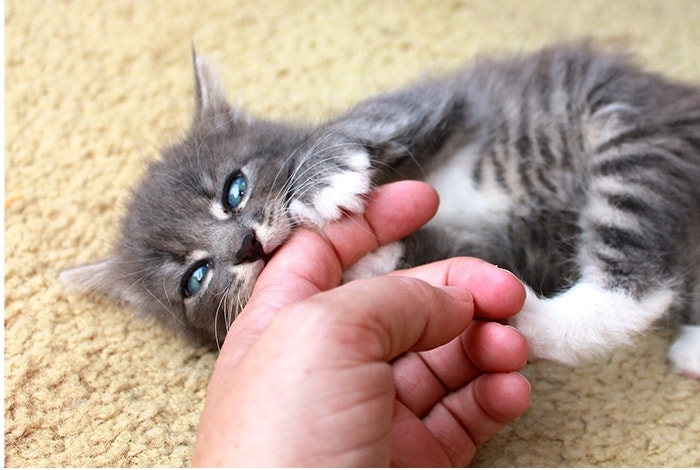
Bringing a new kitten into your home is an exciting time for any pet lover. As your furry little bundle of joy grows and develops, it's important to remember that proper kitten training is essential for its physical and behavioural well-being. In the crucial growing years, a kitten's brain is like a sponge, absorbing information and learning new skills at an incredible speed. With proper guidance and loving touch, you can ensure that your kitten grows into a well-adjusted, happy, and healthy family member. This blog post will share tips to train your kitten and provide them with the best possible start in life.
 

Tips to train your kitten

As a new kitten parent, it's important to understand that kitten training should be a fun and positive experience for you and your furry friend. You can teach your kitten everything from basic commands to good manners with patience, consistency, and a few simple tips. Here are some of our top tips for training your kitten:


  1. Teach important commands

    Teaching your kitten to sit is the first step in training. Start by holding a treat in front of their nose and slowly moving it up and over their head. As they look up to follow the treat, their bottom should naturally lower to the ground. As soon as they sit, say 'sit' and give them the treat. Repeat this process several times a day until they understand the command.
     

  2. A place to call their own

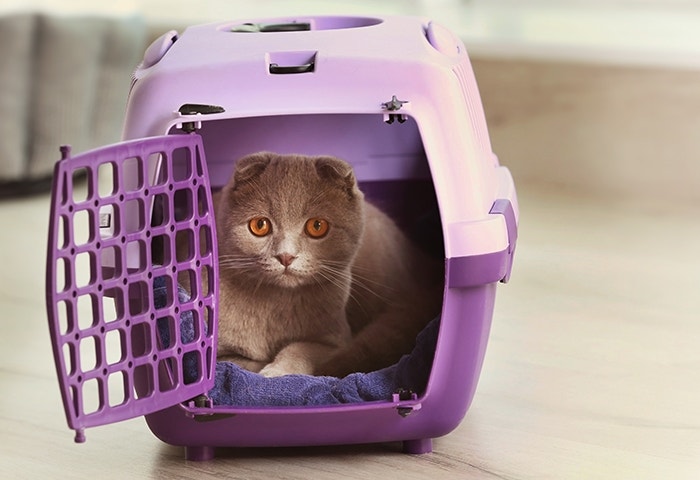
    Crate training is an excellent way to provide your kitten with a safe and comfortable space to call their own. Start by placing a soft blanket and a few toys inside the crate. Let your kitten explore the crate on their own and reward them with treats and praise when they go inside. Over time, you can start closing the door for short periods and gradually increase the duration.
     

  3. Exploring the world around them

    Socialization is an important part of kitten training. Start by introducing your kitten to friends, family, and other pets. Take your fur baby on short car rides and expose it to sights, sounds, and smells. The more it is exposed to different people, animals, and environments, the more confident and well-adjusted it will be as an adult.
     

  4. Playtime is important!

    Training your kitten to play with toys is a great way to stimulate it mentally and physically. Start by introducing your purrfect pal to various toys and see what interests it the most. Once it is engaged, you two can indulge in fun games like fetch, chase, and tug of war.
     

  5. Potty training

    Litter training is an essential part of kitten training. Start by placing your kitten in the litter box after meals and naps. When they use the litter box, reward them with treats and praises. Be sure to clean the box regularly and keep it in a quiet, accessible location.
     

  6. Dining etiquette for kittens

    Teaching your kitten proper feeding etiquette is important for its overall health and wellbeing. Start by teaching them to eat from a bowl and not to beg at the table. Be consistent with their feeding schedule and monitor their weight to ensure they receive full nutrition.
     

  7. Make them recognize their name

    Teaching kittens to recognize their name is an important step in training. Start by calling their name and rewarding them with treats and praises when they respond. Be consistent with their name and use them as much as possible.

    Overall, training your kitten is an ongoing process that requires patience and consistency. Remember to use positive and reward-based training methods. And most importantly, have fun! Make sure to give your kitten lots of love, praises, and treats as they learn and grow.

Our Favorite Tips to Train a Kitten

Frequently asked questions

  1. Are kittens easy to train?
  2. It is possible to train kittens, but it may be more difficult than training older cats. Kittens are playful and easily distracted, which can make training more challenging. Additionally, their developing brains may not fully understand certain commands or behaviours. However, with patience and consistency, kittens can learn basic commands and behaviours such as using a litter box and responding when called. It's important to start training and socializing kittens early to ensure they grow into well-behaved adult cats.


  3. What is the best age to train a kitten?
  4. The best age to train a kitten is around 8-12 weeks old. At this age, kittens are more receptive to learning and are less likely to have developed bad habits. It is also important to consult with a veterinarian before starting any training to ensure the kitten is healthy and ready for training.


  5. How do you bond with your kitten?
  6. To bond with your kitten, you can spend quality time with it. Indulge in activities like playing, grooming, and cuddling. Establishing a consistent routine and providing it with proper socialization, training, and medical care is also important to have a healthy relationship with your kitty. Consult with your veterinarian for specific recommendations.


  7. How do you tell your kitten a 'No'?
  8. To tell your kitten a "no", use a firm, but not harsh tone and gently redirect its behaviour. Consistency and positive reinforcement for good behaviour can also help kittens understand what is and is not acceptable. Consult with a veterinarian or animal behaviourist for additional guidance.


  9. How long does it take to train a kitten?
  10. It typically takes several months to train a kitten. Consistency and patience are key as kittens have short attention spans and may not fully understand commands until they are around 6 months old. Working with a veterinarian or professional trainer is important to ensure that proper training techniques are used.


     

  • cat article detail banner
    cat article detail banner mobile
    adp_description_block219
    Raising a Healthy Kitten: A Guide to Feeding and Nutrition

    • Share

    As a new pet parent, one of the most important things you need to understand is how to properly feed your kitten. It is crucial to ensure that your furry friend receives proper nutrition as per the changing needs. In this article, we will provide valuable kitten feeding tips to help new pet parents determine the right amount of food for their kitten, how that amount should change every month, and why it's necessary to continuously evaluate the kitten's feeding needs as they grow. Whether you are a first-time pet parent or simply need a refresher on kitten nutrition, this guide will provide the necessary information to ensure your kitten is well nourished and healthy.


    A comprehensive feeding chart for your kitten's nutritional needs

    As you start to feed your kitten, it's essential to understand how much food they need at each stage of their growth. To help you with this, we have created a feeding chart showing the recommended daily food intake based on a kitty’s age. Here's a quick look at the chart:

    Age

    Ration

    0 to 4 weeks

    Breast feeding

    1 to 6 months

    Feeding with specialized feed for kittens 4-5 times a day

    6 to 12 months

    A gradual decrease in the frequency of feeding

    12 months and further

    Full transfer to the feeding plan for an adult cat: wet food in the morning and evening; dry food and water always available in a bowl

    As you can see from the chart, the recommended daily feeding for kittens can vary greatly depending on their weight and age. Remember that this is a general guide, and your kitten's needs may differ.

    Kitten feeding tips: How often should you feed your new fur baby?

    When it comes to feeding kittens, it's essential to understand that their nutritional needs change as they grow. Here are a few pointers to keep in mind when it comes to feeding your kitten:

    1. Kittens should be fed three to four small meals daily rather than one or two large meals. This helps maintain their blood sugar levels and prevents them from getting too hungry between meals.
    2. Kittens should be fed a diet high in protein and fat and low in carbohydrates. Wet food is the best option as it contains more protein and moisture than dry food.
    3. Kittens under six months of age should be fed a diet specifically formulated for growth and development. After six months, you can start transitioning them to an adult diet.
    4. Be mindful of the ingredients you are feeding your kitten as some can cause allergic reactions or stomach upset. For example, avoiding foods containing artificial preservatives, fillers, and by-products is ideal for cats.
    5. Always have fresh water available for your kitten.
    6. Do not leave food out for long hours as it can get spoiled, and rotten food can lead to serious infections in kittens.

    When it comes to a feeding schedule, here are four kitten-feeding tips to keep in mind:

    1. Start with a consistent schedule. For example, feed your kitten at the same time every morning and evening.
    2. Gradually adjust the feeding schedule as your kitten grows. For example, if you start feeding them three small meals per day when they are kittens, you can provide them two meals per day when they are adult cats.
    3. Be flexible with your feeding schedule. Some kittens may need more food than others, and some kittens may be hungrier at certain times of the day.
    4. Keep an eye on your kitten's weight and adjust their feeding schedule as and when required. If your kitten looks thin or skinny, they likely need to be fed more. On the other hand, if your kitten looks overweight or chubby, they likely need to be fed less.

    Properly feeding your kitten is crucial for their overall health and development. Our kitten feeding tips include understanding their nutritional needs and providing a balanced diet tailored to their growth stage. Keep in mind that kittens have different dietary requirements than adult cats, so it is recommended to consult with a veterinarian for personalized advice and to ensure your kitten's nutritional needs are met.

    Kitten Basics: 4 Kitten-feeding Tips
    Kitten Basics: 4 Kitten-feeding Tips
Close modal