IAMS MY
Our Favorite Tips to Train a Kitten

adp_description_block436
Training Your Kitten for a Lifetime of Good Behaviour: Tips for a Purrfect Companion

  • Share

Bringing a new kitten into your home is an exciting time for any pet lover. As your furry little bundle of joy grows and develops, it's important to remember that proper kitten training is essential for its physical and behavioural well-being. In the crucial growing years, a kitten's brain is like a sponge, absorbing information and learning new skills at an incredible speed. With proper guidance and loving touch, you can ensure that your kitten grows into a well-adjusted, happy, and healthy family member. This blog post will share tips to train your kitten and provide them with the best possible start in life.
 

Tips to train your kitten

As a new kitten parent, it's important to understand that kitten training should be a fun and positive experience for you and your furry friend. You can teach your kitten everything from basic commands to good manners with patience, consistency, and a few simple tips. Here are some of our top tips for training your kitten:


  1. Teach important commands

    Teaching your kitten to sit is the first step in training. Start by holding a treat in front of their nose and slowly moving it up and over their head. As they look up to follow the treat, their bottom should naturally lower to the ground. As soon as they sit, say 'sit' and give them the treat. Repeat this process several times a day until they understand the command.
     

  2. A place to call their own

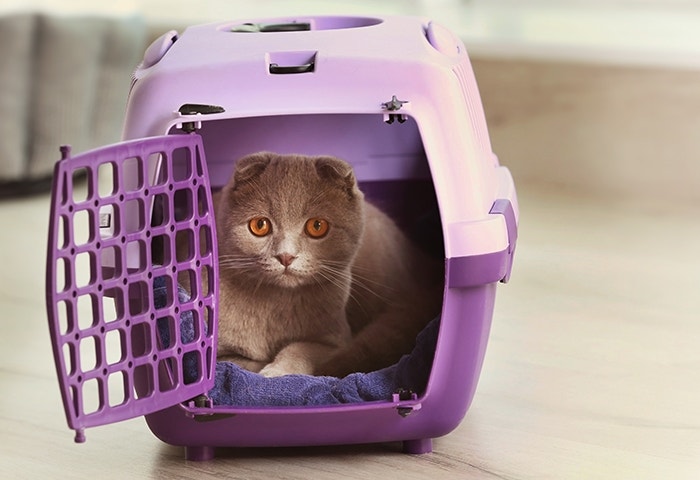
    Crate training is an excellent way to provide your kitten with a safe and comfortable space to call their own. Start by placing a soft blanket and a few toys inside the crate. Let your kitten explore the crate on their own and reward them with treats and praise when they go inside. Over time, you can start closing the door for short periods and gradually increase the duration.
     

  3. Exploring the world around them

    Socialization is an important part of kitten training. Start by introducing your kitten to friends, family, and other pets. Take your fur baby on short car rides and expose it to sights, sounds, and smells. The more it is exposed to different people, animals, and environments, the more confident and well-adjusted it will be as an adult.
     

  4. Playtime is important!

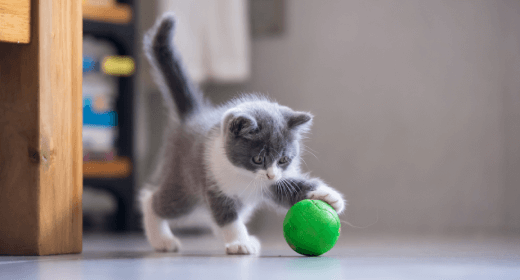
    Training your kitten to play with toys is a great way to stimulate it mentally and physically. Start by introducing your purrfect pal to various toys and see what interests it the most. Once it is engaged, you two can indulge in fun games like fetch, chase, and tug of war.
     

  5. Potty training

    Litter training is an essential part of kitten training. Start by placing your kitten in the litter box after meals and naps. When they use the litter box, reward them with treats and praises. Be sure to clean the box regularly and keep it in a quiet, accessible location.
     

  6. Dining etiquette for kittens

    Teaching your kitten proper feeding etiquette is important for its overall health and wellbeing. Start by teaching them to eat from a bowl and not to beg at the table. Be consistent with their feeding schedule and monitor their weight to ensure they receive full nutrition.
     

  7. Make them recognize their name

    Teaching kittens to recognize their name is an important step in training. Start by calling their name and rewarding them with treats and praises when they respond. Be consistent with their name and use them as much as possible.

    Overall, training your kitten is an ongoing process that requires patience and consistency. Remember to use positive and reward-based training methods. And most importantly, have fun! Make sure to give your kitten lots of love, praises, and treats as they learn and grow.

Our Favorite Tips to Train a Kitten

Frequently asked questions

  1. Are kittens easy to train?
  2. It is possible to train kittens, but it may be more difficult than training older cats. Kittens are playful and easily distracted, which can make training more challenging. Additionally, their developing brains may not fully understand certain commands or behaviours. However, with patience and consistency, kittens can learn basic commands and behaviours such as using a litter box and responding when called. It's important to start training and socializing kittens early to ensure they grow into well-behaved adult cats.


  3. What is the best age to train a kitten?
  4. The best age to train a kitten is around 8-12 weeks old. At this age, kittens are more receptive to learning and are less likely to have developed bad habits. It is also important to consult with a veterinarian before starting any training to ensure the kitten is healthy and ready for training.


  5. How do you bond with your kitten?
  6. To bond with your kitten, you can spend quality time with it. Indulge in activities like playing, grooming, and cuddling. Establishing a consistent routine and providing it with proper socialization, training, and medical care is also important to have a healthy relationship with your kitty. Consult with your veterinarian for specific recommendations.


  7. How do you tell your kitten a 'No'?
  8. To tell your kitten a "no", use a firm, but not harsh tone and gently redirect its behaviour. Consistency and positive reinforcement for good behaviour can also help kittens understand what is and is not acceptable. Consult with a veterinarian or animal behaviourist for additional guidance.


  9. How long does it take to train a kitten?
  10. It typically takes several months to train a kitten. Consistency and patience are key as kittens have short attention spans and may not fully understand commands until they are around 6 months old. Working with a veterinarian or professional trainer is important to ensure that proper training techniques are used.


     

  • How to Keep Your Cat’s Urinary Tract in Tip-top Shape
    How to Keep Your Cat’s Urinary Tract in Tip-top Shape
    adp_description_block160
    UTI in Cats: Symptoms, Causes, Home Remedies & More

    • Share

    What is UTI in cats?

    UTI, also known as Urinary Tract Infections, are any infection in the urinary system. Such infections are not common in cats. In fact, not every cat with UTI symptoms has a urinary tract infection. According to NCBI, only one to two percent of cats suffer from urinary tract infections. However, UTIs resemble several other feline diseases; hence, it is imperative to visit a vet for further diagnosis.
     

    Symptoms of UTI in cats

    Since Urinary Tract Infections can cause severe pain and discomfort, every cat parent must learn about cat UTI symptoms. Here are a few major UTI symptoms in cats:

    • Frequent urination but in small amounts
    • Blood in the urine

    • Constant licking of the urinary opening

    • Crying out while passing urine

    • Urinating outside the litter box
       

    How is cat UTI diagnosed?

    In order to diagnose UTI in cats, veterinarians first test urine samples. This test helps them detect any bacteria in the urine. Doctors directly draw urine from the bladder with a needle to avoid contamination. Once the urine sample is tested, the vet will then isolate the bacteria to study it further. This step is called the Culture and Sensitivity test. It helps determine the right medicines based on the cat's infection.
     

    First-time infections or acute infections are generally cured using broad-spectrum antibiotics. However, if your cat is suffering from a chronic infection, the vet might recommend additional tests to start bacteria-specific medication. 
     

    Causes of UTI in cats

    There are multiple factors that can lead to UTI in cats. Let's explore a few common causes of cat UTI:

    • Weak immune system due to medical conditions like diabetes, cancer, etc.
    • Replacement of the urinary catheter

    • Bladder stone

    • Issues with the cat's gastrointestinal tract
       

    Cat UTI prevention

    Although UTI is rare in cats, it's best to take the right measures to prevent it at all costs. Here are a few points on how to prevent UTI in cats:

    • Ensure that your cat drinks enough water. Clean the water bowl regularly and fill it with fresh water every day.
    • Do not forget to clean the litter box frequently. Scoop the litter twice daily. Moreover, make sure to replace it with a new box once every two weeks.
    • Monitor any changes in the quantity or colour of the urine while cleaning the litter box. In case you see any changes, consult a vet.
    • Learn about diseases that are most likely to further cause UTI in cats. If your cat contracts any such disease, consult a vet immediately.
    • If your cat is old or overweight, it may have a hard time reaching the backsides of its body. Hence, assist your fur baby in cleaning itself.
       

    Can you treat cat UTI with home remedies?

    There are multiple cat UTI home remedies like cranberry juice, apple cider vinegar, bone broth, etc. And most of them are believed to alleviate the symptoms of UTI. However, we do not know if these remedies heal you completely. Hence, it is best to consult a veterinary doctor for cat UTIs.  Moreover, in some cases, especially if left untreated, UTIs can be recurrent. The vet will provide the right medication to get rid of the bacteria.

    How to Keep Your Cat’s Urinary Tract in Tip-top Shape
    How to Keep Your Cat’s Urinary Tract in Tip-top Shape
Close modal