Enter a keyword below to search for articles and products.
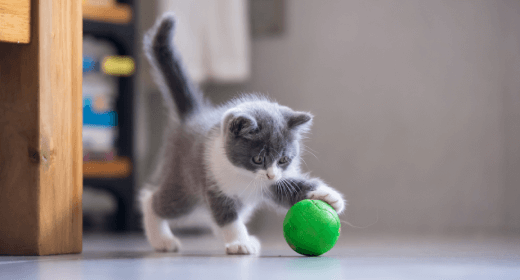
Bringing a new kitten into your home is an exciting time for any pet lover. As your furry little bundle of joy grows and develops, it's important to remember that proper kitten training is essential for its physical and behavioural well-being. In the crucial growing years, a kitten's brain is like a sponge, absorbing information and learning new skills at an incredible speed. With proper guidance and loving touch, you can ensure that your kitten grows into a well-adjusted, happy, and healthy family member. This blog post will share tips to train your kitten and provide them with the best possible start in life.
As a new kitten parent, it's important to understand that kitten training should be a fun and positive experience for you and your furry friend. You can teach your kitten everything from basic commands to good manners with patience, consistency, and a few simple tips. Here are some of our top tips for training your kitten:
Teaching your kitten to sit is the first step in training. Start by holding a treat in front of their nose and slowly moving it up and over their head. As they look up to follow the treat, their bottom should naturally lower to the ground. As soon as they sit, say 'sit' and give them the treat. Repeat this process several times a day until they understand the command.
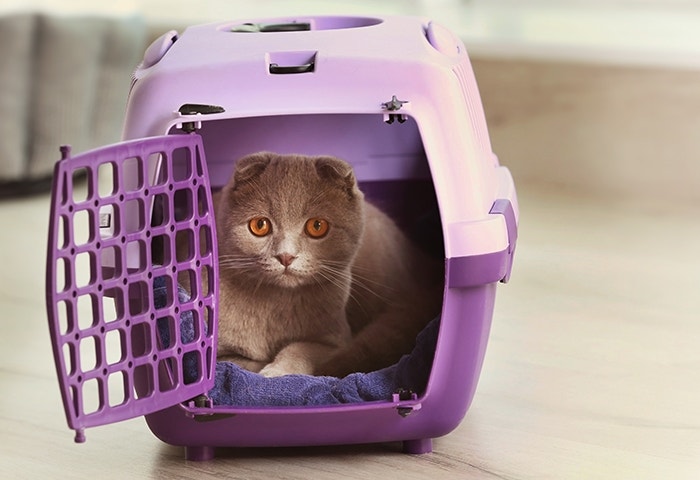
Crate training is an excellent way to provide your kitten with a safe and comfortable space to call their own. Start by placing a soft blanket and a few toys inside the crate. Let your kitten explore the crate on their own and reward them with treats and praise when they go inside. Over time, you can start closing the door for short periods and gradually increase the duration.
Socialization is an important part of kitten training. Start by introducing your kitten to friends, family, and other pets. Take your fur baby on short car rides and expose it to sights, sounds, and smells. The more it is exposed to different people, animals, and environments, the more confident and well-adjusted it will be as an adult.
Training your kitten to play with toys is a great way to stimulate it mentally and physically. Start by introducing your purrfect pal to various toys and see what interests it the most. Once it is engaged, you two can indulge in fun games like fetch, chase, and tug of war.
Litter training is an essential part of kitten training. Start by placing your kitten in the litter box after meals and naps. When they use the litter box, reward them with treats and praises. Be sure to clean the box regularly and keep it in a quiet, accessible location.
Teaching your kitten proper feeding etiquette is important for its overall health and wellbeing. Start by teaching them to eat from a bowl and not to beg at the table. Be consistent with their feeding schedule and monitor their weight to ensure they receive full nutrition.
Teaching kittens to recognize their name is an important step in training. Start by calling their name and rewarding them with treats and praises when they respond. Be consistent with their name and use them as much as possible.
Overall, training your kitten is an ongoing process that requires patience and consistency. Remember to use positive and reward-based training methods. And most importantly, have fun! Make sure to give your kitten lots of love, praises, and treats as they learn and grow.
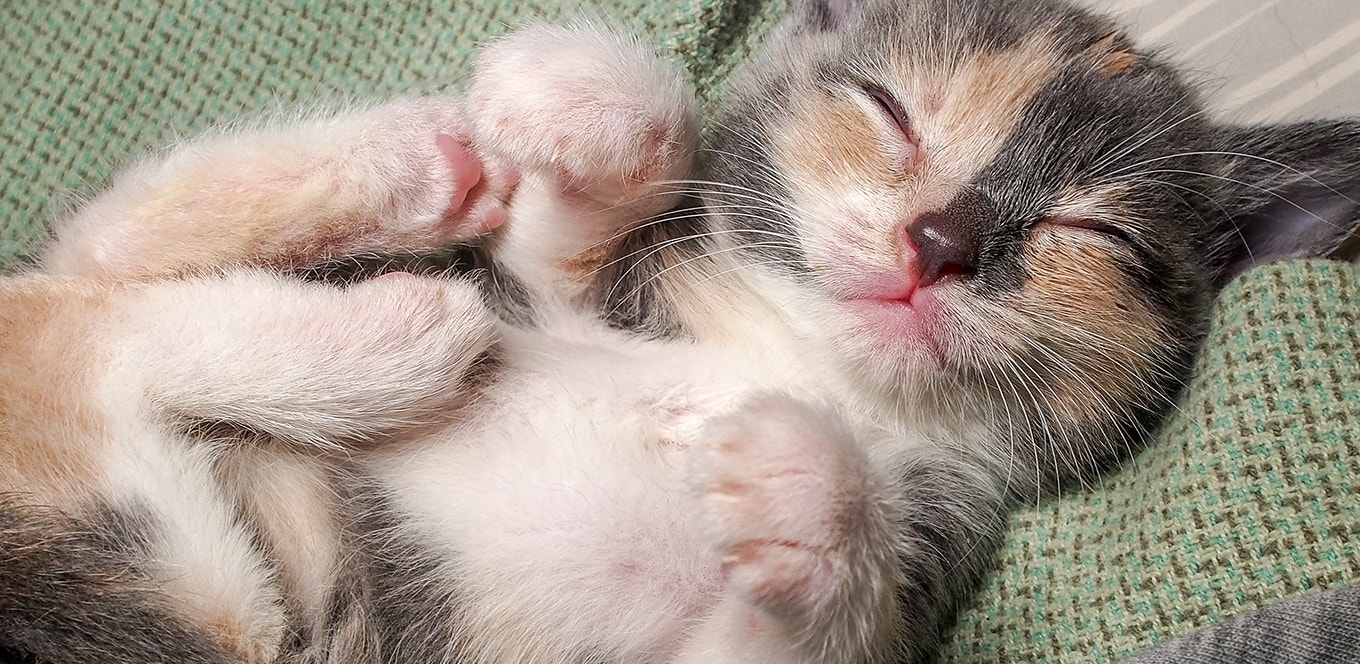
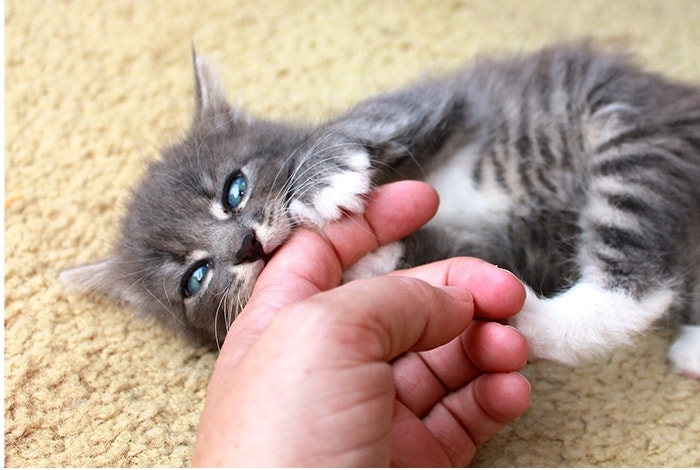
It is possible to train kittens, but it may be more difficult than training older cats. Kittens are playful and easily distracted, which can make training more challenging. Additionally, their developing brains may not fully understand certain commands or behaviours. However, with patience and consistency, kittens can learn basic commands and behaviours such as using a litter box and responding when called. It's important to start training and socializing kittens early to ensure they grow into well-behaved adult cats.
The best age to train a kitten is around 8-12 weeks old. At this age, kittens are more receptive to learning and are less likely to have developed bad habits. It is also important to consult with a veterinarian before starting any training to ensure the kitten is healthy and ready for training.
To bond with your kitten, you can spend quality time with it. Indulge in activities like playing, grooming, and cuddling. Establishing a consistent routine and providing it with proper socialization, training, and medical care is also important to have a healthy relationship with your kitty. Consult with your veterinarian for specific recommendations.
To tell your kitten a "no", use a firm, but not harsh tone and gently redirect its behaviour. Consistency and positive reinforcement for good behaviour can also help kittens understand what is and is not acceptable. Consult with a veterinarian or animal behaviourist for additional guidance.
It typically takes several months to train a kitten. Consistency and patience are key as kittens have short attention spans and may not fully understand commands until they are around 6 months old. Working with a veterinarian or professional trainer is important to ensure that proper training techniques are used.


Ensuring proper nutrition is crucial for the health and well-being of your feline companions. On average, cats require a balanced diet that includes proteins, fats, carbohydrates, vitamins, and minerals. The quantity of food depends on various factors such as age, weight, activity level, and health status.
Creating a cat feeding guide involves determining the right portion size and choosing high-quality cat food. Be cautious not to overfeed, as obesity can lead to health issues. Consult your veterinarian to establish an appropriate cat feeding routine and to address any specific dietary needs your cat may have.
How can you make sure you are cat feeding the right food at the right time and in the right quantities? If you are choosing new cat food, deciding on a feeding schedule, concerned about a food-related health condition, or wondering about supplements or treats, check out our cat feeding guidelines.
Cats are carnivores, and this means that they cannot survive solely on a plant-based diet as they won’t get all the required nutrients from it. To stay healthy and survive, cats require at least 70% of the nutrients found in animal meat. So, your cat’s diet and choice of food should be prepared accordingly. To start, you can begin by making a cat feeding plan to ensure that they get the nutrition they require.
You can divide your cat’s daily diet into two main meals which are spaced no more than 12 hours apart. Alternatively, you can divide the food into multiple meals such as breakfast, lunch, and dinner. However, do ensure that these meals provide the cat with enough calories and other nutrients - not more or less than recommended.
Once your cats are set on a regular feeding schedule, you will slowly begin noticing their usual cat feeding habits. Habits such as playing with their food, eating alone, and hoarding food are quite normal for cats. So, if you notice any of these, you don’t have to be worried. A few habits that you may have to be mindful of are:
Not eating all the served food (served as per regular amount)
Sudden gain in weight
Cat going more than 24 hours without eating
If you notice your cat showing either of these habits, book an appointment with your vet as soon as possible.
Determining the appropriate amount of food for your cat involves considering various factors to meet their unique nutritional requirements.
A cat's diet evolves throughout its life stages. Kittens, in their early months, undergo rapid growth and development, necessitating a diet rich in calories, proteins, and essential nutrients. Senior cats, however, may experience changes in metabolism and activity levels. Therefore, a diet tailored to maintain their weight and support ageing joints becomes essential. Adjusting portion sizes according to these distinct life stages is crucial for promoting optimal health and longevity throughout a cat's life.
The size of a cat is a fundamental determinant of its calorie requirements. Larger cats, with more extensive body mass, generally need more food to sustain their energy levels, fuelling their larger bodies. Conversely, smaller cat breeds may require more controlled portion sizes to prevent overfeeding and mitigate the risk of associated health issues, such as obesity. Tailoring your cat’s diet to its size ensures that their unique metabolic needs are adequately met, promoting a balanced and healthy lifestyle.
More active cats, such as those who engage in regular play, exercise, or outdoor activities, burn more energy and may require additional calories to support their dynamic lifestyle. On the other hand, sedentary indoor cats may need a carefully measured diet to prevent weight gain and associated health concerns, emphasising the importance of adjusting food intake based on the cat's activity level. Ensuring the cat receives the appropriate number of calories supports overall health and prevents issues related to weight management.
The living environment — whether a cat resides indoors or outdoors — directly impacts its energy expenditures. Outdoor cats often engage in more physical activities, such as exploring and hunting, requiring a higher calorie intake to fuel their adventures. Indoor cats, with a more sedentary lifestyle, may need portion control to avoid excess weight gain and the potential health issues associated with obesity. Recognizing the environmental differences between indoor and outdoor living helps tailor the cat's diet to their specific needs, promoting a balance that aligns with their lifestyle.
Body condition concerns the animal’s overall health and body weight. For a cat who is overweight, you need to prepare a diet that is low on calories. With regards to the overall health condition, if your cat is facing any kind of ailments, their food intake may change or need to be changed. Your vet will advise you on what foods your pet may need to consume or avoid. They may also suggest changes in the cat’s feeding guidelines per the animal’s unique health requirements.
Cats with specific health conditions may require special dietary considerations. For instance, cats with diabetes may need a carefully regulated diet to manage blood sugar levels, while those with kidney disease might benefit from a diet that supports renal function. Cats with allergies may require hypoallergenic diets to prevent adverse reactions. Consulting with a veterinarian ensures that a cat's nutritional needs are met while effectively managing any existing health conditions. Regular communication with a vet helps adapt the cat's diet to evolving health requirements, promoting overall well-being, and addressing specific health concerns with precision.
It is important to consider your cat’s age when deciding how many times a day to feed it. Below is a comprehensive cat feeding guide by age to ensure that your feline friend receives the appropriate nutrition at every stage of life.
Age | Schedule |
1 week | Every 2 hours |
1 to 2 weeks | Every 2 to 3 hours |
2 to 3 weeks | Every 3 to 4 hours |
3 to 4 weeks | Every 4 to 5 hours |
4 to 5 weeks | Every 5 to 6 hours |
5 to 8 weeks | Every 6 hours |
8 to 16 weeks | Every 6 to 8 hours |
4 to 5 months | Every 8 hours |
6 months to adulthood | Every 8 to 12 hours |
The amount to feed your cat depends on your pet’s age, size, and activity level. It is important to make a proper cat feeding guide or follow feeding guidelines, which list the daily-recommended portion, are included on all IAMS™ packages. Start feeding with this amount and adjust according to your pet’s needs. Remember to divide the portion accordingly if you feed more than once a day.
When changing your cat’s diet, it’s important to introduce the new food slowly. Start by offering your cat’s daily portion in a ratio of 25% new food to 75% old food. During the next three days, gradually increase the amount of new food and decrease the amount of old.
Once you have understood your own cats’ feeding guide based on age and other factors, it is important to figure out what kind of food to pick — wet or dry. Both these types of foods have their unique benefits, and each one can prove necessary for different stages of a cat’s life to fulfil nutritional requirements. Since each of these types of food finds its place in a cat’s feeding guidelines, let’s take a closer look.
Making the right choice between wet and dry cat food involves considering various factors. Let us delve deeper into the benefits of each to help you make an informed decision tailored to your feline companion's needs.
The crunchiness of dry kibble can contribute to better dental health. Chewing on the hard texture helps reduce plaque and tartar buildup, promoting healthy teeth and gums.
Dry cat food is generally more budget-friendly than wet food. It offers an affordable solution for cat parents.
Dry food tends to have a higher caloric density, meaning that smaller portions can provide the necessary energy for your cat. This can be beneficial for weight management.
Wet cat food contains a significant amount of water, addressing the hydration needs of cats. This is particularly beneficial for cats who may not drink enough water on their own.
The soft texture and varied flavours of wet food make it highly palatable. This can be advantageous for picky eaters, enticing them to consume essential nutrients.
Wet cat food often offers a variety of proteins and nutrients. This diversity supports a well-rounded and balanced diet, contributing to your cat's overall health.
Wet food can be easier to administer for cats with specific health issues or those requiring special diets. It allows for the incorporation of medication or supplements, making it a practical choice for certain medical conditions.
The ideal choice depends on your cat's individual preferences, health requirements, and lifestyle. Some cat parents opt for a combination of both wet and dry food to provide a balanced and satisfying diet for their furry companions. Always consult with your veterinarian to tailor the diet to your cat's unique needs.
Although our wet cat foods are nutritionally complete and balanced for a cat’s diet, it is not necessary to offer wet food at every feeding. Our dry foods are formulated with high-quality protein sources such as chicken, lamb or fish and contain all the essential nutrients pets need.
You can also consult your vet regarding your cat’s feeding guidelines, and they will make changes if necessary. Also, it is best to consult your vet before making any major changes in your cat’s meals, like adding or switching to a raw food diet for cats. Your vet may conduct a nutritional evaluation of your cat to determine if you can switch to a raw diet for cats or specify which food they require for a healthy living.
No. Boredom with food is a human trait. Cats are creatures of habit and usually are content with just one food. Cats generally eat to meet their energy or nutritional needs. They have very short digestive systems, and if their diet is abruptly or constantly changed, digestive disturbances can occur. Also, constant changes can make your pet a finicky eater.
Adding water will not change the nutritional value of dry cat food. However, once moisture is added the food should be eaten relatively soon, and any uneaten portion should be discarded to avoid spoilage. Feeding your cat dry food is usually encouraged because of the benefit to your cat’s dental health.
Cats and dogs have different nutritional requirements and should not eat each other’s food. For example, cats require a much higher level of taurine in their diet. An occasional venture into each other’s bowls will not be harmful but is not recommended on a regular basis.
Our foods are nutritionally complete and balanced. Adding vitamins, minerals or oils can offset the balance the food provides. One of the benefits of feeding a high-quality product is that it has been carefully balanced in proper ratios to provide optimal nutrition, so nothing needs to be added.
Contact the IAMS Pet Care and Nutrition Specialists toll-free at 1-800-675-3849.