IAMS MY
Our Favorite Tips to Train a Kitten

adp_description_block365
Training Your Kitten for a Lifetime of Good Behaviour: Tips for a Purrfect Companion

  • Share

Bringing a new kitten into your home is an exciting time for any pet lover. As your furry little bundle of joy grows and develops, it's important to remember that proper kitten training is essential for its physical and behavioural well-being. In the crucial growing years, a kitten's brain is like a sponge, absorbing information and learning new skills at an incredible speed. With proper guidance and loving touch, you can ensure that your kitten grows into a well-adjusted, happy, and healthy family member. This blog post will share tips to train your kitten and provide them with the best possible start in life.
 

Tips to train your kitten

As a new kitten parent, it's important to understand that kitten training should be a fun and positive experience for you and your furry friend. You can teach your kitten everything from basic commands to good manners with patience, consistency, and a few simple tips. Here are some of our top tips for training your kitten:


  1. Teach important commands

    Teaching your kitten to sit is the first step in training. Start by holding a treat in front of their nose and slowly moving it up and over their head. As they look up to follow the treat, their bottom should naturally lower to the ground. As soon as they sit, say 'sit' and give them the treat. Repeat this process several times a day until they understand the command.
     

  2. A place to call their own

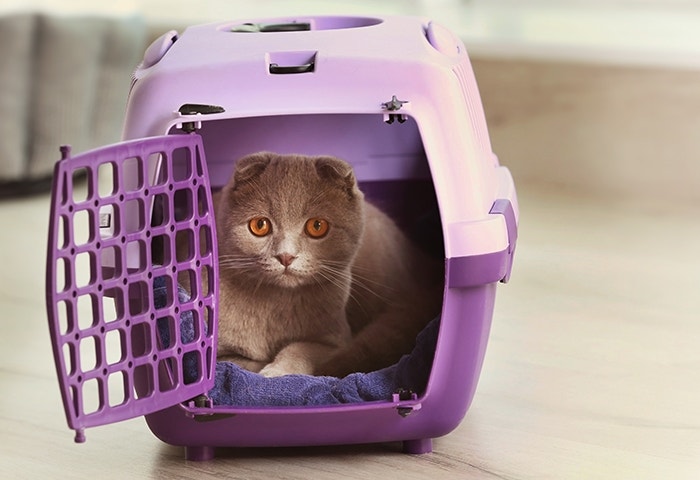
    Crate training is an excellent way to provide your kitten with a safe and comfortable space to call their own. Start by placing a soft blanket and a few toys inside the crate. Let your kitten explore the crate on their own and reward them with treats and praise when they go inside. Over time, you can start closing the door for short periods and gradually increase the duration.
     

  3. Exploring the world around them

    Socialization is an important part of kitten training. Start by introducing your kitten to friends, family, and other pets. Take your fur baby on short car rides and expose it to sights, sounds, and smells. The more it is exposed to different people, animals, and environments, the more confident and well-adjusted it will be as an adult.
     

  4. Playtime is important!

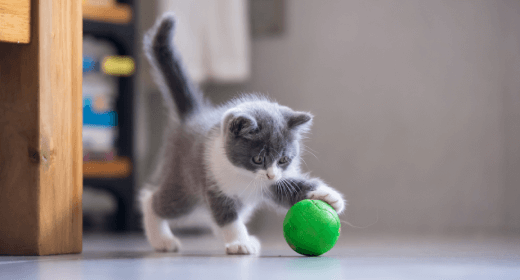
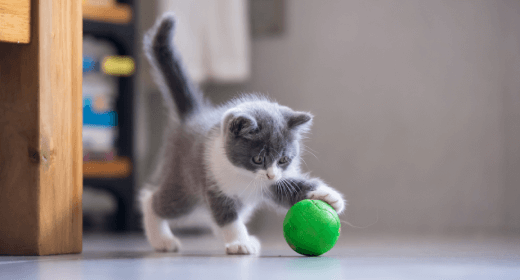
    Training your kitten to play with toys is a great way to stimulate it mentally and physically. Start by introducing your purrfect pal to various toys and see what interests it the most. Once it is engaged, you two can indulge in fun games like fetch, chase, and tug of war.
     

  5. Potty training

    Litter training is an essential part of kitten training. Start by placing your kitten in the litter box after meals and naps. When they use the litter box, reward them with treats and praises. Be sure to clean the box regularly and keep it in a quiet, accessible location.
     

  6. Dining etiquette for kittens

    Teaching your kitten proper feeding etiquette is important for its overall health and wellbeing. Start by teaching them to eat from a bowl and not to beg at the table. Be consistent with their feeding schedule and monitor their weight to ensure they receive full nutrition.
     

  7. Make them recognize their name

    Teaching kittens to recognize their name is an important step in training. Start by calling their name and rewarding them with treats and praises when they respond. Be consistent with their name and use them as much as possible.

    Overall, training your kitten is an ongoing process that requires patience and consistency. Remember to use positive and reward-based training methods. And most importantly, have fun! Make sure to give your kitten lots of love, praises, and treats as they learn and grow.

Our Favorite Tips to Train a Kitten

Frequently asked questions

  1. Are kittens easy to train?
  2. It is possible to train kittens, but it may be more difficult than training older cats. Kittens are playful and easily distracted, which can make training more challenging. Additionally, their developing brains may not fully understand certain commands or behaviours. However, with patience and consistency, kittens can learn basic commands and behaviours such as using a litter box and responding when called. It's important to start training and socializing kittens early to ensure they grow into well-behaved adult cats.


  3. What is the best age to train a kitten?
  4. The best age to train a kitten is around 8-12 weeks old. At this age, kittens are more receptive to learning and are less likely to have developed bad habits. It is also important to consult with a veterinarian before starting any training to ensure the kitten is healthy and ready for training.


  5. How do you bond with your kitten?
  6. To bond with your kitten, you can spend quality time with it. Indulge in activities like playing, grooming, and cuddling. Establishing a consistent routine and providing it with proper socialization, training, and medical care is also important to have a healthy relationship with your kitty. Consult with your veterinarian for specific recommendations.


  7. How do you tell your kitten a 'No'?
  8. To tell your kitten a "no", use a firm, but not harsh tone and gently redirect its behaviour. Consistency and positive reinforcement for good behaviour can also help kittens understand what is and is not acceptable. Consult with a veterinarian or animal behaviourist for additional guidance.


  9. How long does it take to train a kitten?
  10. It typically takes several months to train a kitten. Consistency and patience are key as kittens have short attention spans and may not fully understand commands until they are around 6 months old. Working with a veterinarian or professional trainer is important to ensure that proper training techniques are used.


  • cat article
    cat article
    adp_description_block273
    How To Take Care Of Kittens?

    • Share

    Kittens are super adorable, and it is wonderful to have one as a pet. While it’s fun to have a kitten at home, it’s important to understand your kitten’s various needs during the different stages of its life and take care of it in the right way. ‘How to take care of kittens’ is a question that most first-time kitten owners ask. But taking care of newborn kittens can be quite a hassle-free process if you follow a routine and understand a few do’s and don’ts about kitten care. We, at IAMS, are here to help you with this process in every way we can. 
     

    Why Kitten Care Is Important?

    Kitty care is extremely important to make sure your kitten grows up to be a healthy cat. While in the kitten stage, it is still trying to get used to the new surroundings. Therefore, we recommend that you be by its side and help the little kitten acclimatize to its new house. 
     

    What Does It Mean To Raise A Kitten?

    A kitten becomes a part of your family right from day one. But raising a kitten might sound like a strenuous job if you’re a new pet parent, but it isn’t. The whole process can be quite fun and will help you bond with your kitten. 


    What Are The Important Aspects Of A Kitten That One Has To Look After? 

    Some of the most important aspects of looking after a kitten are:

    • Hygiene – Maintaining good hygiene is always important. You must clean your kitten’s den regularly. 
    • Feeding Nutrition-Rich Food – Your kitten needs a nutritious, balanced diet for healthy growth and development. It is advisable that you buy IAMS Perfect Portions Healthy Kitten food. Chicken is the basic ingredient of this recipe. This premium kitten food promotes brain development and helps build a healthy immune system. 
    • Regular Health Check-Ups – Take your kitten to the vet regularly to understand its progress in terms of behavior and health.
    • Grooming – It is advisable to start grooming your cat at an early age, especially if it has a furry coat or long hair. 
       

    Understanding Kitten Development Stages

    As a first-time kitten owner, you might not be aware of the growth stages your little feline friend will go through, but it’s very important to understand them. So, here’s a table that can help you with the same:

    Growth stage

    0-2 weeks

    (Neonatal)

    2-7 weeks

    (Socialization)

    7-14 weeks

    (Most Active Period)

    3-6 months

    (Ranking Period)

    6-18 months

    (Adolescence)

    Character traits

    Learns to incline towards sounds

    Learns to socialize 

    This is the most active play period of your kitten

    In this stage, the kitten gets most influenced by other kittens in their litter or even other animals. 

    Asserts maximum dominance in this stage.


    Eyes start to open by this time

    Senses of smell and hearing are fully developed by the 4th week

    Starts expressing affection through hugging and licking 

    Starts understanding and asserting ranks on people it lives with. 

    Exhibits sexual behavior if not spayed. 


    If the kitten is separated from its mother or siblings, it may tend to get aggressive towards people and other cats. 

    Sight is fully developed by the 5th week, and they can run and pounce without colliding with obstacles 

    Can paw, mouth, and hold objects as well


    Starts grooming itself

    Also starts chasing its tail and starts pouncing and leaping around


    Starts developing sleep patterns, motor abilities and interactions 


    Preparing For A Kitten

    How Kitten Care Differs With Growing Age?

    The major difference that occurs in taking care of kittens when they grow up is switching their food. Cats need more nutrition and vital elements that keep its body strong and healthy. It is advisable to switch to premium cat food while transitioning your kitten to adult cat food. 
     

    Impact On The Kitten If Care Is Not Taken:

    If your cat is neglected and does not receive proper care, attention, and nutrition, it may become depressed and weak. Your cat may also contract diseases if it is not kept clean. 
     

    What Are Some Of The Preventive Care Measures That Could Be Taken Up For Kittens? 

    While in the kitten stage, it is advisable to schedule frequent visits to the vet to check on the overall health of your kitten. It is advisable to keep a tab on their allergies while it is in the kitten stage.  
     

    Tips For 1st-time Cat Owners

    Here are a few tips for first-time cat owners:

    • It is advisable to familiarize your kitten with its litter box right from the moment it is brought home. 
    • You may also show your kitten around its crate so that it understands that this is its own space. 
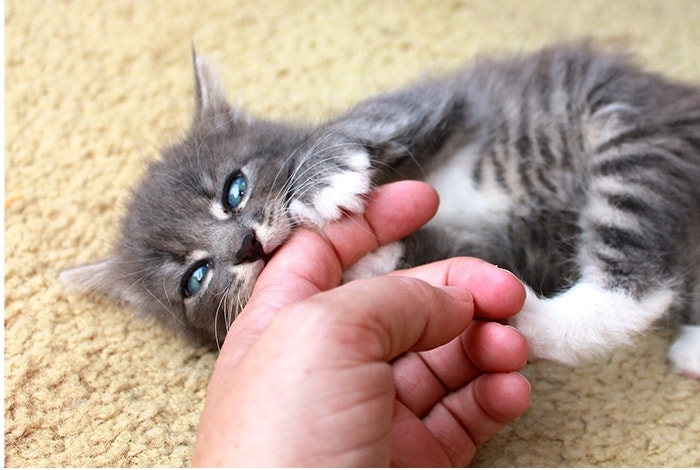
    • If, at times, your kitten bites you, sternly say ‘no’ to it. By doing this, your kitten will learn that these actions are not acceptable. 
    • You may also reward your kitten every time it obeys your instructions. This will condition them to inculcate good habits as well. 


Close modal