Enter a keyword below to search for articles and products.


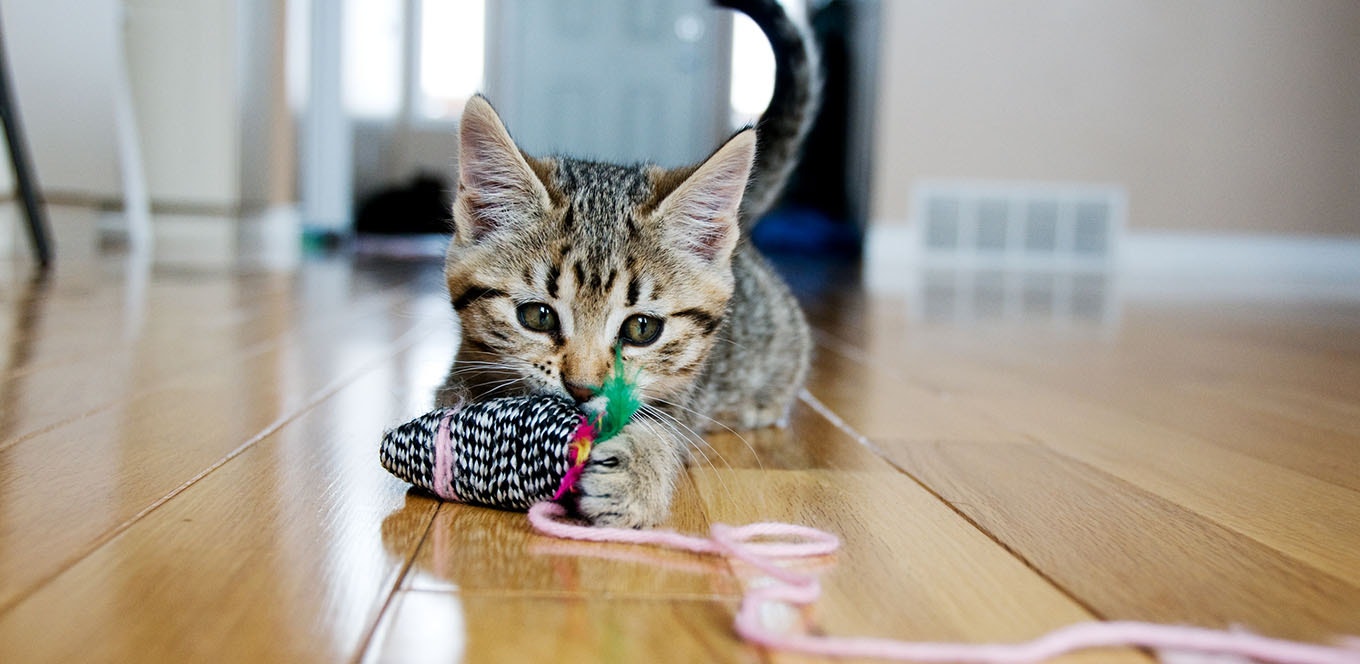
As a kitten parent, you want the best for your feline friend. One of the most important aspects of pet care is providing your kitty with a healthy environment that supports overall development. In fact, kitten enriched environment stimulates a happy and healthy life. It refers to providing cats with activities, toys, and other items that stimulate them mentally and physically. Enrichment can also help prevent behavioral problems such as scratching, biting, and destructive habits.
Environmental enrichment: Providing cats with different environments to explore and interact with can also be enriching. For example, you can create a cosy space for your kitten to relax or provide them with a scratching post and other items that they can use to mark their territory. You can also provide hiding spots like a box or a tunnel for your kitten to explore. This not only provides them with a sense of security but also gives them something new to explore.
Sensory enrichment: Cats have a keen sense of smell, sight, and touch. Provide your kitten with toys and items they can smell, see, or touch. For example, you can use toys with different textures or provide your kitten with a catnip plant to interact with. You can also offer different types of food for your kitten, so it can explore different flavours and textures.
Social enrichment: Cats are social animals and thrive when they have companionship. If you only have one kitten, you can ensure companionship using a stuffed animal or a mirror. This will provide your kitty with the social stimulation it needs. If you have more than one cat, you can provide them with a kitten-friendly environment where they can interact with each other. This can include providing them with a shared space and interactive toys.
In addition to the above types of enrichment, you can also provide your kitten with various kitten enrichment activities to keep them engaged and stimulated. Some examples include:
Puzzle feeders: These interactive feeders require your kitten to figure out how to get the food out. They provide mental stimulation as well as physical exercise.
Window seats: Cats love to watch the world go by because it helps them explore something new and stay entertained every day.
Providing your cats with a kitten enriched environment is essential. It not only keeps them healthy and happy, but it also prevents behavioural problems. With your kitten training environment and other feline enrichment ideas, you can ensure that your cat is always engaged and happy. As a cat parent, it is important to take the necessary time to understand your kitten's needs and provide them with an environment that will help them thrive.
Environmental enrichment for cats is the provision of stimuli in their living environment that promotes overall wellbeing. This can include things such as climbing structures, scratching posts, interactive toys, and hiding spots. It also includes providing opportunities for cats to engage in natural behaviours such as hunting and exploring.
To get your kitten used to a new environment, gradually introduce them to the space and provide plenty of positive reinforcement, such as treats and praises. Give them a designated safe space like a cosy bed or carrier and allow them to explore at their own pace. Consult with a veterinarian for additional tips and guidance.
It typically takes a kitten around 2-4 weeks to fully adjust to a new environment. During this time, it is important to provide a safe and comfortable space for the kitten to explore and establish a routine. Consistency and patience are key in helping a kitten feel at home.
Kittens require a significant amount of attention and care as they are still growing and developing. They need regular feeding, grooming, playing, socializing, and training. It is recommended to spend at least a few hours each day interacting with and caring for your kitten. Consult with a veterinarian for specific recommendations based on your kitten's age and individual needs.


As a new pet parent, one of the most important things you need to understand is how to properly feed your kitten. It is crucial to ensure that your furry friend receives proper nutrition as per the changing needs. In this article, we will provide valuable kitten feeding tips to help new pet parents determine the right amount of food for their kitten, how that amount should change every month, and why it's necessary to continuously evaluate the kitten's feeding needs as they grow. Whether you are a first-time pet parent or simply need a refresher on kitten nutrition, this guide will provide the necessary information to ensure your kitten is well nourished and healthy.
As you start to feed your kitten, it's essential to understand how much food they need at each stage of their growth. To help you with this, we have created a feeding chart showing the recommended daily food intake based on a kitty’s age. Here's a quick look at the chart:
Age | Ration |
0 to 4 weeks | Breast feeding |
1 to 6 months | Feeding with specialized feed for kittens 4-5 times a day |
6 to 12 months | A gradual decrease in the frequency of feeding |
12 months and further | Full transfer to the feeding plan for an adult cat: wet food in the morning and evening; dry food and water always available in a bowl |
As you can see from the chart, the recommended daily feeding for kittens can vary greatly depending on their weight and age. Remember that this is a general guide, and your kitten's needs may differ.
When it comes to feeding kittens, it's essential to understand that their nutritional needs change as they grow. Here are a few pointers to keep in mind when it comes to feeding your kitten:
When it comes to a feeding schedule, here are four kitten-feeding tips to keep in mind:
Properly feeding your kitten is crucial for their overall health and development. Our kitten feeding tips include understanding their nutritional needs and providing a balanced diet tailored to their growth stage. Keep in mind that kittens have different dietary requirements than adult cats, so it is recommended to consult with a veterinarian for personalized advice and to ensure your kitten's nutritional needs are met.
As a new pet parent, one of the most important things you need to understand is how to properly feed your kitten. It is crucial to ensure that your furry friend receives proper nutrition as per the changing needs. In this article, we will provide valuable kitten feeding tips to help new pet parents determine the right amount of food for their kitten, how that amount should change every month, and why it's necessary to continuously evaluate the kitten's feeding needs as they grow. Whether you are a first-time pet parent or simply need a refresher on kitten nutrition, this guide will provide the necessary information to ensure your kitten is well nourished and healthy.
As you start to feed your kitten, it's essential to understand how much food they need at each stage of their growth. To help you with this, we have created a feeding chart showing the recommended daily food intake based on a kitty’s age. Here's a quick look at the chart:
Age | Ration |
0 to 4 weeks | Breast feeding |
1 to 6 months | Feeding with specialized feed for kittens 4-5 times a day |
6 to 12 months | A gradual decrease in the frequency of feeding |
12 months and further | Full transfer to the feeding plan for an adult cat: wet food in the morning and evening; dry food and water always available in a bowl |
As you can see from the chart, the recommended daily feeding for kittens can vary greatly depending on their weight and age. Remember that this is a general guide, and your kitten's needs may differ.
When it comes to feeding kittens, it's essential to understand that their nutritional needs change as they grow. Here are a few pointers to keep in mind when it comes to feeding your kitten:
When it comes to a feeding schedule, here are four kitten-feeding tips to keep in mind:
Properly feeding your kitten is crucial for their overall health and development. Our kitten feeding tips include understanding their nutritional needs and providing a balanced diet tailored to their growth stage. Keep in mind that kittens have different dietary requirements than adult cats, so it is recommended to consult with a veterinarian for personalized advice and to ensure your kitten's nutritional needs are met.