Enter a keyword below to search for articles and products.


As a kitten parent, you want the best for your feline friend. One of the most important aspects of pet care is providing your kitty with a healthy environment that supports overall development. In fact, kitten enriched environment stimulates a happy and healthy life. It refers to providing cats with activities, toys, and other items that stimulate them mentally and physically. Enrichment can also help prevent behavioral problems such as scratching, biting, and destructive habits.
Environmental enrichment: Providing cats with different environments to explore and interact with can also be enriching. For example, you can create a cosy space for your kitten to relax or provide them with a scratching post and other items that they can use to mark their territory. You can also provide hiding spots like a box or a tunnel for your kitten to explore. This not only provides them with a sense of security but also gives them something new to explore.
Sensory enrichment: Cats have a keen sense of smell, sight, and touch. Provide your kitten with toys and items they can smell, see, or touch. For example, you can use toys with different textures or provide your kitten with a catnip plant to interact with. You can also offer different types of food for your kitten, so it can explore different flavours and textures.
Social enrichment: Cats are social animals and thrive when they have companionship. If you only have one kitten, you can ensure companionship using a stuffed animal or a mirror. This will provide your kitty with the social stimulation it needs. If you have more than one cat, you can provide them with a kitten-friendly environment where they can interact with each other. This can include providing them with a shared space and interactive toys.
In addition to the above types of enrichment, you can also provide your kitten with various kitten enrichment activities to keep them engaged and stimulated. Some examples include:
Puzzle feeders: These interactive feeders require your kitten to figure out how to get the food out. They provide mental stimulation as well as physical exercise.
Window seats: Cats love to watch the world go by because it helps them explore something new and stay entertained every day.
Providing your cats with a kitten enriched environment is essential. It not only keeps them healthy and happy, but it also prevents behavioural problems. With your kitten training environment and other feline enrichment ideas, you can ensure that your cat is always engaged and happy. As a cat parent, it is important to take the necessary time to understand your kitten's needs and provide them with an environment that will help them thrive.
Environmental enrichment for cats is the provision of stimuli in their living environment that promotes overall wellbeing. This can include things such as climbing structures, scratching posts, interactive toys, and hiding spots. It also includes providing opportunities for cats to engage in natural behaviours such as hunting and exploring.
To get your kitten used to a new environment, gradually introduce them to the space and provide plenty of positive reinforcement, such as treats and praises. Give them a designated safe space like a cosy bed or carrier and allow them to explore at their own pace. Consult with a veterinarian for additional tips and guidance.
It typically takes a kitten around 2-4 weeks to fully adjust to a new environment. During this time, it is important to provide a safe and comfortable space for the kitten to explore and establish a routine. Consistency and patience are key in helping a kitten feel at home.
Kittens require a significant amount of attention and care as they are still growing and developing. They need regular feeding, grooming, playing, socializing, and training. It is recommended to spend at least a few hours each day interacting with and caring for your kitten. Consult with a veterinarian for specific recommendations based on your kitten's age and individual needs.
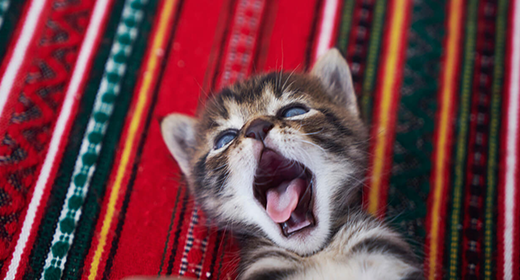
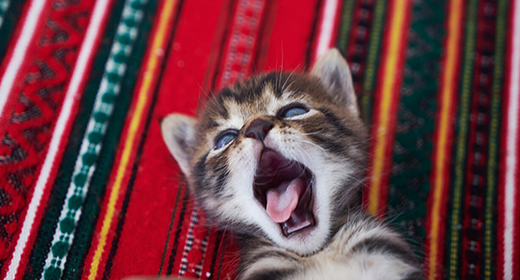
As a new kitten parent, maintaining your pet's oral health is crucial. Teething is one of the most important stages and it is essential to start good oral hygiene practices during this period. A healthy mouth is vital for your kitten's overall wellbeing. It can prevent dental issues such as plaque, tartar, and tooth decay. Not sure how to support your kitten’s oral health during its growth years? This guide will provide you with the knowledge you need to keep your kitten's teeth and gums strong and healthy.
To ensure proper oral care, it is important to be aware of the stages of your kitten's dental growth. Kittens are born toothless but begin to develop teeth once they turn 2 or 3 weeks old. By 8-12 weeks, they will have all their primary teeth. These baby teeth will eventually be replaced with permanent adult teeth during the teething stage. This can cause discomfort, pain, swelling, or bleeding gums. It is imperative to consult your vet and make this period a little bearable for your little pal.
Want to ensure your kitten's dental health? Here's a step-by-step guide on how to properly brush its teeth:
Gently lift your kitten's lip and brush their teeth in a circular motion. Make sure to reach all surfaces. Use a soft-bristled brush designed for cats and toothpaste formulated for them.
Use a small amount of toothpaste and make sure your kitten doesn't swallow it.
Reward your kitten with a treat or cuddles after each brushing session to make the experience a positive one for them.
Gradually increase the frequency and duration of brushing once your kitten becomes more comfortable with the process. Remember to be patient and gentle when brushing your kitten's teeth as it may take some time for them to get used to it.
Maintaining the dental health of your kitten is crucial for their overall wellbeing. Here are some tips on how to prevent plaque and tartar buildup to keep your kitten's teeth and gums healthy:
Dental wipes, rinses, and pads: Dental wipes or pads can clean your kitten's teeth and gums. In fact, it is a useful alternative to brushing. Dental rinses can also freshen your kitten's breath and kill bacteria
Dental treats: Providing your kitten with dental treats can also keep their teeth clean and healthy. Look for treats formulated to reduce plaque and tartar. Moreover, avoid cat treats that are loaded with sugar.
Regular vet check-ups: It's essential to have regular check-ups with your vet to ensure that your kitten's teeth and gums are healthy. Your vet can also help you identify any issues that may arise and recommend an appropriate course of action.
Maintaining good oral health is essential for a cat’s overall wellbeing; hence, you must establish oral hygiene habits from its early age. Following the steps outlined in this guide can ensure that your kitten's teeth and gums remain healthy and strong throughout its life. Regular brushing, dental treats, and vet check-ups can help keep your kitten's mouth healthy. With your care and attention, your kitten can enjoy a fresh and healthy mouth for many years! Always consult your veterinarian if you have concerns or questions about your kitten's oral health.
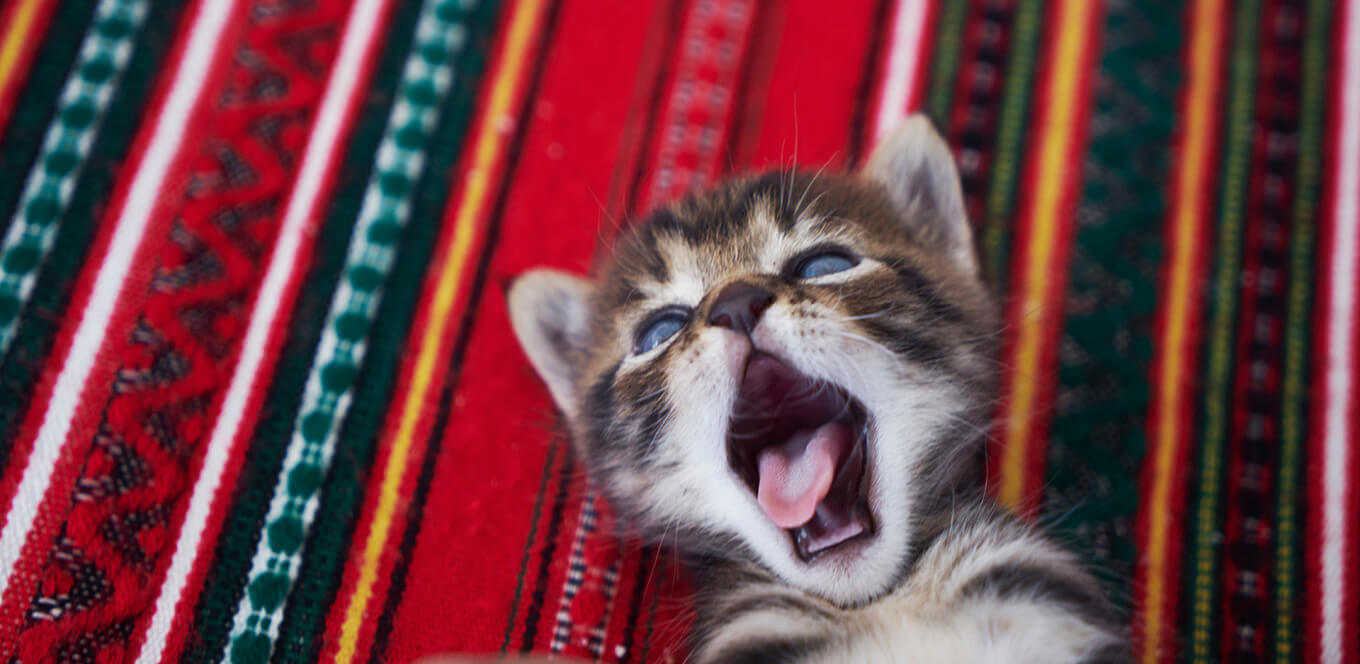

As a new kitten parent, maintaining your pet's oral health is crucial. Teething is one of the most important stages and it is essential to start good oral hygiene practices during this period. A healthy mouth is vital for your kitten's overall wellbeing. It can prevent dental issues such as plaque, tartar, and tooth decay. Not sure how to support your kitten’s oral health during its growth years? This guide will provide you with the knowledge you need to keep your kitten's teeth and gums strong and healthy.
To ensure proper oral care, it is important to be aware of the stages of your kitten's dental growth. Kittens are born toothless but begin to develop teeth once they turn 2 or 3 weeks old. By 8-12 weeks, they will have all their primary teeth. These baby teeth will eventually be replaced with permanent adult teeth during the teething stage. This can cause discomfort, pain, swelling, or bleeding gums. It is imperative to consult your vet and make this period a little bearable for your little pal.
Want to ensure your kitten's dental health? Here's a step-by-step guide on how to properly brush its teeth:
Gently lift your kitten's lip and brush their teeth in a circular motion. Make sure to reach all surfaces. Use a soft-bristled brush designed for cats and toothpaste formulated for them.
Use a small amount of toothpaste and make sure your kitten doesn't swallow it.
Reward your kitten with a treat or cuddles after each brushing session to make the experience a positive one for them.
Gradually increase the frequency and duration of brushing once your kitten becomes more comfortable with the process. Remember to be patient and gentle when brushing your kitten's teeth as it may take some time for them to get used to it.
Maintaining the dental health of your kitten is crucial for their overall wellbeing. Here are some tips on how to prevent plaque and tartar buildup to keep your kitten's teeth and gums healthy:
Dental wipes, rinses, and pads: Dental wipes or pads can clean your kitten's teeth and gums. In fact, it is a useful alternative to brushing. Dental rinses can also freshen your kitten's breath and kill bacteria
Dental treats: Providing your kitten with dental treats can also keep their teeth clean and healthy. Look for treats formulated to reduce plaque and tartar. Moreover, avoid cat treats that are loaded with sugar.
Regular vet check-ups: It's essential to have regular check-ups with your vet to ensure that your kitten's teeth and gums are healthy. Your vet can also help you identify any issues that may arise and recommend an appropriate course of action.
Maintaining good oral health is essential for a cat’s overall wellbeing; hence, you must establish oral hygiene habits from its early age. Following the steps outlined in this guide can ensure that your kitten's teeth and gums remain healthy and strong throughout its life. Regular brushing, dental treats, and vet check-ups can help keep your kitten's mouth healthy. With your care and attention, your kitten can enjoy a fresh and healthy mouth for many years! Always consult your veterinarian if you have concerns or questions about your kitten's oral health.