Enter a keyword below to search for articles and products.
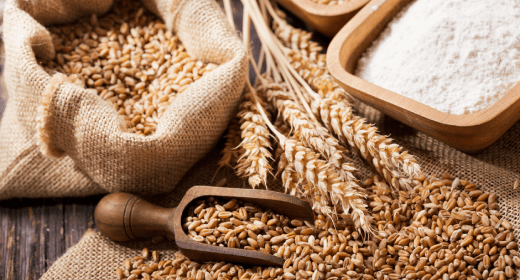
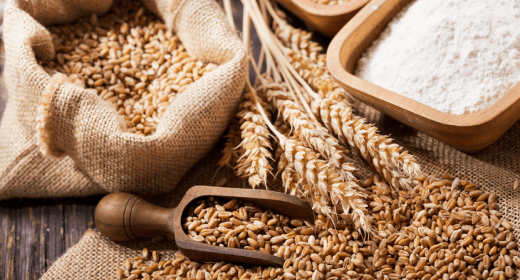
Wheatgrass is the fresh shoots of the wheat plant harvested before the grain sprouts. Although unusual, it is a common meal component for cats. Wheatgrass is rich in protein, carotene, and vitamins A, E, and C, making it an added source of nutrition for cats. Cats often nibble on wheatgrass and leafy greens to improve their digestion as fibres present in these plants aid in smoother bowel movement. However, it is important to ensure that your cat only feeds on organic and pesticide-free wheatgrass.
Generally, all cats that are not allergic to wheatgrass can easily digest and benefit from its nutritional value of it. Wheatgrass for cats is a good source of vitamins, protein, and other essential nutrients. The fibre and selenium help in improving the cat’s gut health. However, you should identify if your kitty is allergic to wheatgrass before letting it nibble on wheatgrass. The following are some signs that will help you identify if your cat is allergic to wheatgrass:
Even if your cat is not allergic to wheatgrass, you must limit its consumption to less than 10% of its total caloric consumption. Wheat for cats is best served every alternate day instead of daily.
While everyone knows wheatgrass for cats is beneficial for digestion, there are various other benefits of wheatgrass as well. The following are some of the many benefits of wheatgrass for cats:
While there are many advantages of wheatgrass and wheat for cats, there are a few considerations and disadvantages as well. Some of the demerits of excessive munching on wheatgrass for cats are as follows:
Most cat parents have a hard time differentiating between cat grass and wheatgrass. If you are one of them, fret not. We will understand the difference between the two in this section.
Cat food brands often market wheatgrass as cat grass. However, you must note that cat grass can be any grass, from barley and oats to wheatgrass and fescue. So, if you see a pack of cat food that says cat grass, check its label. Moreover, ensure that you opt for brands that use organic ingredients.
Now that you know of the benefits of wheatgrass for cats, you can start adding the regulated amount of wheatgrass to their diet. Please consult a veterinarian before deciding to serve wheat or wheatgrass to your feline friend.
If your cat has been munching on wheatgrass or grass more than usual, it might be facing some gastrointestinal issues. It is best to consult a veterinarian to ensure their physical well-being.
Yes, cats can digest baked or cooked wheat products and wheat bran.
Total consumption of wheatgrass for cats should limit to 10% or lesser of their total caloric diet.
Yes, wheatgrass improves indoor cats’ vision, immunity, and oral as well as gastrointestinal health, and helps keep their weight in check.
Cat grass are cereal grasses that cats much on. Wheatgrass is a type of cat grass.
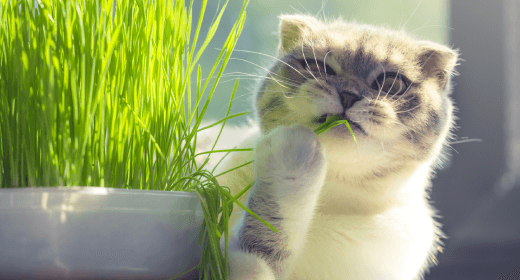
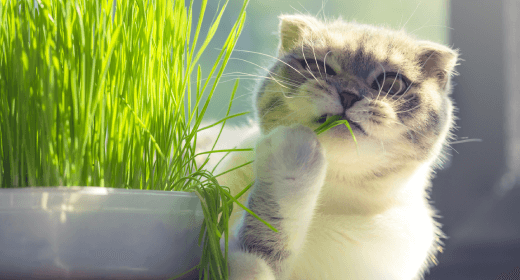
A cat’s diet largely includes other smaller animals as they are carnivorous. However, most cats avoid consuming the animal’s intestinal tract which contains most fibre. This can lead to a lack of fibre in the cat’s diet. But do cats need fibre? Yes. Lack of fibre can result in irregular bowel movement, digestive issues, and other similar health concerns.
Cats often munch on green grass and leaves to ease constipation. However, they might resist including fibre in their daily meal and only rely on it when ill. But, to ensure your cat’s best physical well-being, you should choose fibre-rich food for cats.
Fibre-rich cat food is essential as it helps in maintaining their digestive health. Thus, pet parents should try to include the necessary amount of fibre in their kitty’s diet. It will help maintain their digestive health and overall well-being. Cat food fibre can be classified based on its solubility.
While choosing cat food with fibre, you should make sure it includes both soluble and insoluble fibre. Besides, the cat’s gut bacteria can break down both soluble and insoluble fibre to produce new compound that helps in nourishing their colon cells.
Fibre-rich cat food contains prebiotics, which means they also contain good bacteria that are necessary for a healthy intestine. So, as a cat parent, you should invest in high-quality cat food with fibre to keep your little fur baby’s gut health in check. However, how much fibre does a cat require??
Although fibre is essential for cats, they require it in limited quantities. Too much fibre can risk restricting absorption of nutrients in their body, whereas too little can lead to poor digestive health. The appropriate quantity of fibre for cats is between 1.4 to 3.5% of their daily calorie intake.
Planning to include cat food with fibre in your kitty’s daily diet? Consider adding the following food options to their meal to increase fibre content in your fur baby’s diet.
Besides relying on the above-mentioned plant-based and animal-based fibre, you can also buy IAMS high-fibre cat food to ensure that your kitty gets the right amount of fibre in its meal. IAMS high-fibre cat food such as IAMS ProActive Health Adult Original with Chicken contains a moderate quantity of fermentable fibre along with the chicken. This cat food with fibre is made using fermentable fibre and chicken that your cat is sure to relish. Besides, IAMS is a popular cat food brand that is known for using best-quality ingredients, so your furry friend gets nothing but the best.