IAMS MY
Kitten Basics: How to Keep Your Kitten in Good Health
Kitten Basics: How to Keep Your Kitten in Good Health-mob

adp_description_block350
Raising a Healthy Kitten: The Ultimate Guide to Kitten Care

  • Share

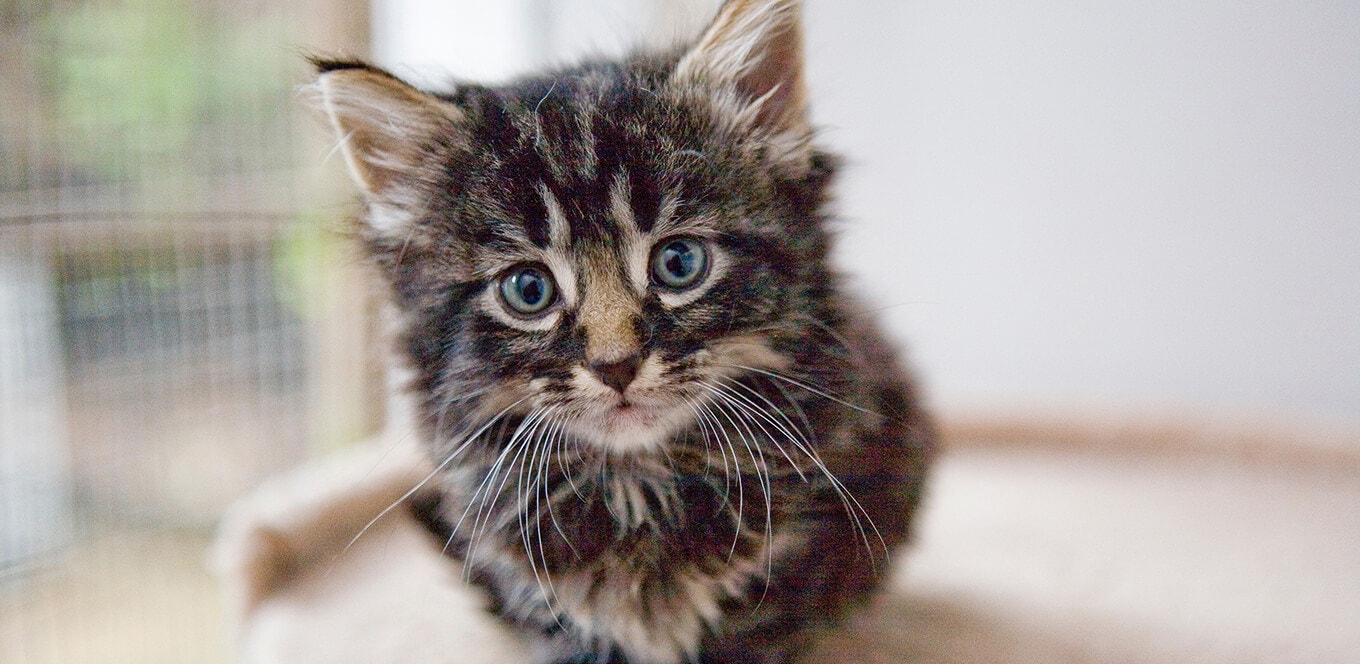
A newborn cat brings endless love and laughter to any household. However, as a new kitten parent, it is important to understand that caring for a kitten is not just about feeding and playing with them. Kittens have specific dietary needs, and it is important to provide them with high-quality kitten food that meets their nutritional requirements. Regular grooming, vaccination, and preventive care are essential in keeping your kitten healthy and free from diseases. This guide will give you all the information you need to raise a healthy kitten and ensure that it grows into a happy and healthy adult cat.


Requirements for keeping your kitten in good health

  1. Keep your kitten clean: Regular grooming and bathing will help keep your kitten's coat shiny and free of parasites. Use a mild shampoo and do not forget to dry its coat thoroughly after a bath. This will help remove dirt and debris from the coat and prevent skin infections.
  2. Provide adequate nutrients: Kittens have specific dietary needs, and it's essential to provide them with high-quality kitten food that meets their nutritional requirements. Kitten food is formulated to give them the essential nutrients they need during their growth stage.
  3. Provide socialization: Kittens are social creatures, and it's important to provide them with plenty of opportunities to interact with other cats and humans. This will help them develop their social skills and prevent any behavioural issues in the future.
  4. Take preventive measures against diseases: Regular visits to the vet, vaccinations and preventative care will help keep your kitten healthy and free from diseases. By staying up to date with your kitty’s vaccinations, you can keep serious and fatal diseases at bay.


Kitten development milestones

Check out the below table to understand how a cat develops with time:

Age

Milestone

5 to 6 months old

Sexual maturity

8 months old

Full set of adult teeth

9 months old

Comparable digestion ability to adult

12 months old (female) and 18 months old (male)

Reach adult body weight

Between 10 to 12 months of age

Energy requirements go down to adult levels

Want to know how old your cat is in human years? Check out the below table and find out:

Life stageCat ageCat age in human years
Kitten0 to 1 month old0 to 1 years old
2 months old2 years old
3 months old4 years old
4 months old6 years old
5 months old8 years old
6 months old10 years old
Junior7 months old12 years old
12 months old15 years old
18 months old21 years old
2 years old24 years old
Adult3 years old28 years old
4 years old32 years old
5 years old36 years old
6 years old40 years old
Mature7 years old44 years old
8 years old48 years old
9 years old52 years old
10 years old56 years old
Senior11 years old60 years old
12 years old64 years old
13 years old68 years old
14 years old72 years old
Super senior15 years old76 years old
16 years old80 years old
17 years old84 years old
18 years old88 years old
19 years old92 years old
20 years old96 years old
21 years old100 years old
22 years old104 years old
23 years old108 years old
24 years old112 years old
25 years old116 years old


Checklist for your kitten's body conditions


  1. Ears: Check for any signs of infection, such as redness or discharge
  2. Eyes: Look for any signs of discharge or cloudiness
  3. Nose: Check for any signs of discharge or congestion
  4. Mouth: Look for any signs of inflammation or infection
  5. Skin and Coat: Check for any signs of parasites, such as fleas or ticks
  6. Nails: Check for any signs of overgrowth or cracking
  7. Attitude: Look for any signs of lethargy or depression
  8. Digestion: Watch for any signs of constipation or diarrhoea
  9. Thirst: Make sure your kitten is drinking enough water

In conclusion, raising a healthy kitten requires a lot of care and attention, but with the right knowledge and commitment, you can ensure that your kitten grows into a happy and healthy adult cat. Always consult your veterinarian for any questions or concerns, and don't hesitate to seek advice or guidance. With the right care and love, your kitten will bring you years of joy and companionship.


Frequently asked questions

  1. How do I know my kitten is healthy?
  2. Signs of a healthy kitten include clear eyes, a clean coat, and a healthy appetite. It should also have a high-energy level to stay active. Regular check-ups with a veterinarian can also ensure your kitten is in good health.

  3. How do I keep my kitten healthy?
  4. Regular veterinary check-ups, proper nutrition and exercise as well as keeping up with vaccinations and preventative care are important for maintaining your kitten's health.

  5. What health problems do kitten have?
  6. Kittens can be susceptible to a variety of health issues, including upper respiratory infections, worms, as well as flea and tick infestations. They can also develop chronic conditions such as diabetes or heart disease later in life.

  7. Do kittens get sick easily?
  8. Kittens are vulnerable to a variety of health issues, but with proper care and regular veterinary check-ups, they can stay healthy.

  9. Is it required for kittens do drink a lot of water?
  10. Kittens do need to drink water to stay hydrated, but the exact amount will vary depending on factors such as their age, size, and activity level. Consult with a veterinarian for specific recommendations.

Kitten Basics: How to Keep Your Kitten in Good Health
  • Tips on How To Feed Your Cat
    Tips on How To Feed Your Cat
    adp_description_block126
    Tips on How To Feed Your Cat

    • Share

    Compared to humans, your cat needs a high-fat, high-protein diet along with other important nutrients. Cats usually eat many small meals throughout the day, so they easily adopt a free choice feeding schedule to maintain their normal body weight. Dry foods, such as IAMS™ PROACTIVE HEALTH™ Healthy Adult with Chicken, are best suited for free choice feeding because they stay fresh for a longer period.

    Here are few tips on how to feed a cat:

    Nutritional Building Blocks

    Cats need nutrients from animal-based protein sources. Providing the vitamins, minerals, proteins, and other components found in a portion of complete and balanced pet food can help your cat live a long and healthy life. It is important to avoid supplementing your cat's diet, as doing so may lead to a variety of health problems. 

    When selecting cat food, look for ones that offer the following nutrients:

    • Animal protein from meat, poultry, fish, or egg sources to maintain strong muscular structure, vital organs, antibodies, and more.
    • Taurine, an amino acid, found in meat sources such as chicken and fish, but not in plant proteins, to maintain healthy eyes, prevent heart disease. It also promotes healthy reproduction, fetal growth, and development.
    • Essential vitamins and minerals such as vitamin A, which can be found pre-formed only in animal tissues, and vitamin E to help support the immune system.
    • A precise balance of fatty acids to help promote excellent skin and coat health.
    • A fiber source, such as beet pulp, that will help maintain your cat's digestive system health. 


    Special Dietary Needs


    Pregnant or Lactating Cats

    A cat's energy intake should be increased gradually by up to 50% over her maintenance intake throughout its pregnancy. You can feed your pregnant cat wholesome kitten food to provide the needed nutritional support during the last few weeks of gestation.

    After birth, the mother cat's energy increases by 50% to 75% over normal in the first week to twice the normal in the second week, and up to three times during the third week. The third and fourth weeks are the most demanding because kittens are still feeding on the lactating cat’s milk and have not begun eating dry or canned food. Once kittens begin weaning, the mother cat should be feed normal food portions to avoid unnecessary weight gain.


    Avoiding Obesity


    ‘What do cats eat that result in them developing obesity’ is a commonly asked question by cat parents. Several factors are responsible for causing an unhealthy weight gain in your cat. Food and nutritional requirements of a cat are quite different than that of a kitten or even a senior cat. Simply increasing the amount of food your cat eats to satisfy its nutritional need could lead to cat obesity. And this is a health problem that should not be taken lightly. In general, indoor cats are at a higher risk of developing obesity because they do not engage in many physical activities. But as a cat parent, you must pay attention to your cat’s food intake and make sure it remains active. You may also introduce a new kind of diet that may help your cat to maintain its weight. Read further ahead for some useful cat feeding tips that can help you. 

      what size

    same time, we recommend you control the amount of food you feed your cat. Even if it is a weight loss-based cat food, the quantity should be checked properly. 


    Preventing Hairballs

    Cats spend a considerable amount of time grooming themselves. In the process, they end up swallowing their body hair. This leads to a hair build-up in the stomach. If the hairball doesn’t pass into the intestines, a cat may try to cough it up. A special diet can help decrease the likelihood of hairballs, but you may decrease its effectiveness if you combine it with other foods.
     

    Comparison Of Eating Habits For Underweight V/S Overweight Cat

    Underweight Cats:

    Underweight cats need more nourishment, which will help them increase their body mass, eventually increasing their weight. For underweight cats, an intake of extra calories is also essential. These extra calories will help your cat gain healthy weight. You may contact your vet who can devise a proper weight gain chart for your cat. 

    Overweight Cats: 

    Overweight cats need a calorie-restricted diet for them to come down to their healthy weight. In fact, the food you feed your overweight or obese cat should ideally have high protein and low calories. At the
     

    How Much Food Should Your Cat Eat Daily?


    The amount to feed your cat depends on its age, size, and activity level. Feeding guidelines that recommend the daily amount of food you may feed your cat are included on all IAMS packages. Start feeding your cat the mentioned amount and adjust according to its needs. Remember to divide the portion accordingly if you feed more than once a day. With that said now, take a look at this table to know how much to feed your cat:

    Weight of cat (kg)

    G/day

    3

    45

    4

    55

    5

    60

    6

    70

    7

    80

    8

    90


    How IAMS Products Help To Solve Over-Eating/Under-Eating Issues?

    IAMS offers a high protein diet food for cats that are either underweight or overweight. The IAMS Indoor Weight and Hairball Care food is made with a formula that is suitable for cats who are either in need of increasing weight or decreasing it. The benefits of this cat diet plan are as follows:

    • 1st Ingredient is Chicken. 
    • This formula includes L-Carnitine that helps get your cat achieve its ideal weight and has balanced nutrition. 
    • This food is recommended by Veterinarians as well. 
    • This cat diet plan also helps maintain your cat’s urinary tract health. 

Close modal