Enter a keyword below to search for articles and products.


Kittens are curious, energetic fluffballs with boundless energy. A safe, enriching environment can cater to your kitten’s playful side, stimulate them physically and mentally, and benefit their health and development for the rest of their life.
Keeping your kitten indoors has significant benefits because it protects them from a large number of dangers. But without all the sights, sounds and smells of nature, a kitten needs other ways to stimulate their mind and body.
To build your kitten an enriching environment, provide them with safe places for hiding and resting, like window ledges, carriers or perches. Your kitten should feel protected in their safe spots and may prefer an enclosed resting area. While kittens spend a great deal of their time sleeping, their periods of wakefulness can and should be used to stimulate psychological and physical activity.
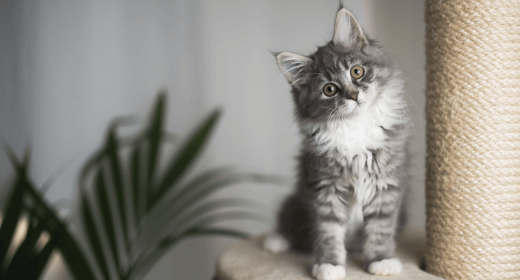
It’s important to create stimulating places for entertainment and play, as well. Cats can benefit from spaces at different vertical levels, like cat trees and perches. A variety of scratching posts can teach your kitten appropriate scratching while nurturing their natural instincts, and protect your furniture and carpet from their sharp claws.
Many cats also benefit from social activity with other cats, especially if they were introduced to other cats early in life. Providing your kitten with another kitten or young cat as a play buddy can help meet their need for near-constant play and motion. Keep in mind that cats put a premium on managing space, so it’s important that multiple-cat homes offer a variety of places to hide, sleep and observe, using both the horizontal and vertical dimensions.
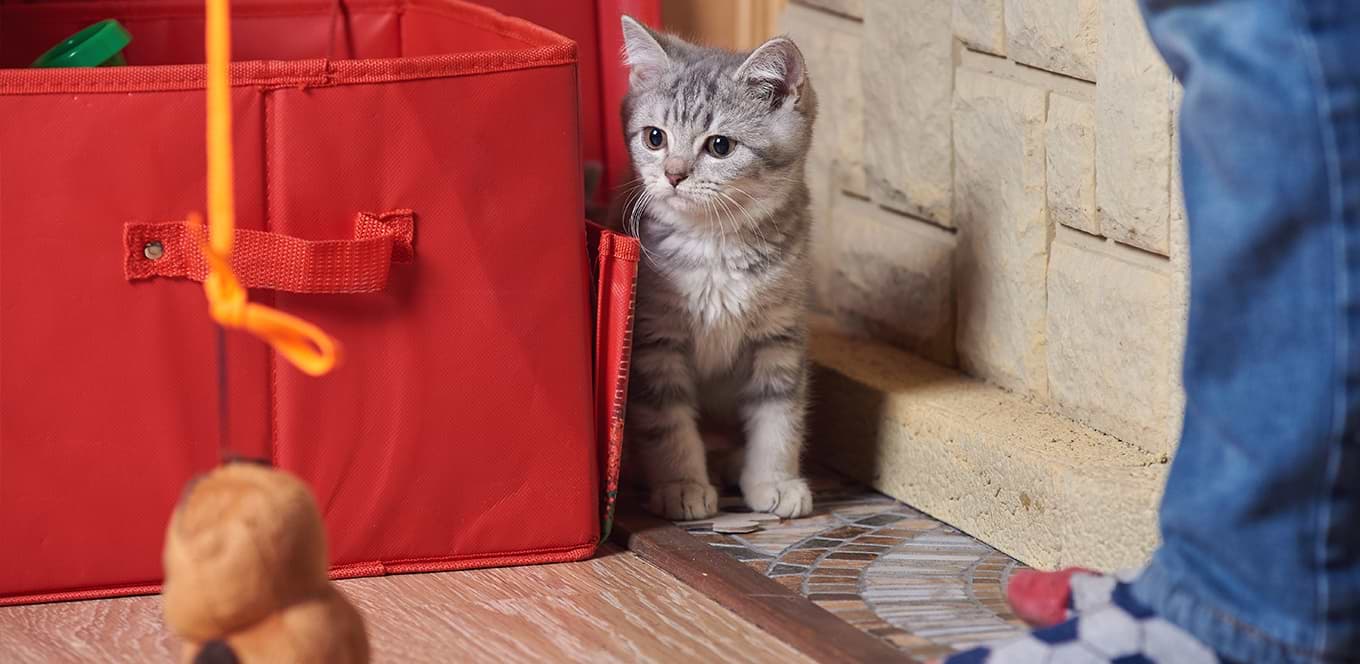
An important component to enriching your kitten’s environment is socialization and play, especially if your kitten is the only animal in the household. A kitten’s natural predator-play behavior is usually easy to stimulate with interactive toys, such as wand toys or balls to pounce on or chase.
Playing kitten games with your pet helps them develop coordination and natural hunting skills. It also can help them learn boundaries and develop a bond with their new owner. Aim for 10 to 15 minutes of structured playtime two or three times a day. One way to prevent the “nighttime crazies” is to engage in active, vigorous play before feeding your kitten at bedtime. This helps wear out the kitten before bed and mimics the natural hunting-feeding-grooming-sleeping sequence in cats.
Engaging games to play with your kitten include:
An important component to enriching your kitten’s environment is socialization and play, especially if your kitten is the only animal in the household. A kitten’s natural predator-play behavior is usually easy to stimulate with interactive toys, such as wand toys or balls to pounce on or chase.
A greater challenge is providing enrichment opportunities for kittens when a person or another pet is not present to interact with them. Puzzle toys are one option to fight kitten boredom. These toys come in a variety of designs to entertain your kitten and reward her with a treat or food, such as IAMS™ ProActive Health™ Healthy Kitten with Chicken. This offers twofold benefits, providing play and proper nutrition for supporting a kitten’s energy and playtime.
Kittens and cats will spend a great deal of time watching the outside world through windows, especially if there’s a bird feeder or butterfly garden within view. Make sure to keep at least one window blind open — especially if it looks out on an area with frequent movement and activity. There are also a number of “cat TV” videos of squirrels, birds and other nature scenes available online to keep a cat entertained.
Providing your kitten with enrichment opportunities helps prevent stress and the development of abnormal behaviors. Growing from a kitten into a cat in an enriched environment with lots of physical and psychological exercise supports the overall well-being of your pet at all stages of her life.
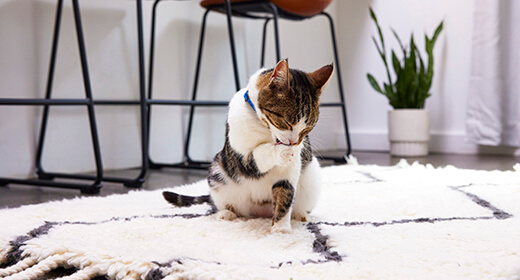
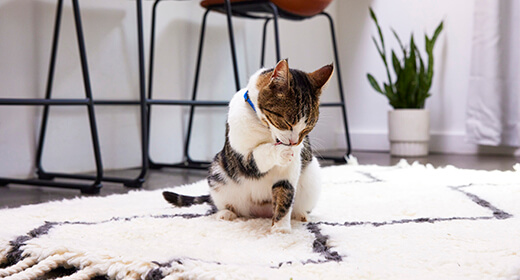
If you share your living space with a feline friend, you’ve likely experienced the fascinating yet perplexing world of cat nails. From the loud, rhythmic sound of scratching that greets your early morning to those tiny prods every now and then, the claws of cats are as intricate as they are functional. Let's take a journey together to understand why cats scratch and learn how to cut a cat's nails.
First and foremost, let's understand why your cat is a passionate ‘cat clawing expert’. Cats scratch for various reasons, including claw maintenance, exercise, marking territory, and even attention-seeking. Scratching enables them to remove the outer husk of their claws, revealing a sharp new surface underneath. Additionally, scent and sweat glands in their feet produce a unique smell, which is deposited when they scratch, marking their territory - a clever, multi-purpose act, isn't it?
If you're wondering, 'how much cat clawing is too much?', you're not alone. Many cats scratch indoors due to limited outdoor access, comfort, or safety concerns. If you find your cat scratching extensively, especially around doorways and windows, it could be a sign of insecurity or anxiety.
Spotting when your cat's nails are too long is crucial. Overgrown cat nails can cause injuries to their paw pads, lead to changes in gait which can affect their joints, and cause damage to your furniture. Generally, indoor cats require nail trims every couple of weeks, whereas outdoor cats may need them less frequently.
When it comes to cutting cat nails, creating a calm environment is key. Choose a quiet spot and find a comfortable position for you and your cat. You could try trimming their nails when they're sleepy or relaxed, like after a meal. Avoiding distractions such as windows or other pets can also make the process smoother.
Get your cat used to paw handling. Gently hold and rub their paw daily for a few seconds. If they're comfortable, extend a nail and reward them with a treat. This slow, rewarding process will make them more amenable to cat nail trimming.
When learning how to cut a cat's nails, it's important to familiarize your cat with the nail clipper. Let them see and sniff it to reduce anxiety. You could also familiarize them with the sound of the clipper by cutting a piece of dry spaghetti near their paw. Always remember to reward their calm behaviour.
Now it's time to clip. Carefully isolate the nail to cut and note where the quick is -- a vein that can cause pain and bleeding if cut. Cut the nail at a 45-degree angle, starting with the very tip. Be patient and careful not to cut the quick.
This isn't a race, so take your time when clipping cat nails. If your cat becomes agitated after a few nails, stop the session, and try again later. Forcing the process can cause stress and erode trust.
Maintaining a consistent cat nail trimming schedule is vital. As a rule of thumb, trim their nails once every one and a half to two weeks. But remember, every cat is different, so adjust as necessary. If you struggle with the process, seek advice from a professional groomer or veterinarian.
To keep your beloved furniture intact, providing an acceptable alternative to your cat's claws is crucial. A cat scratching post, sturdy and tall enough for the cat to stretch fully, is an excellent solution. These scratching posts mimic the texture and orientation (horizontal or vertical) of their preferred scratching area, redirecting their cat clawing behaviour.
Kitten nail trimming is similar to adult cat nail trimming, but with a few modifications. Firstly, begin the process of desensitizing their paws early. Show them the nail clipper and make sure it's not a source of fear. When cutting kitten nails, remember they're smaller and softer, so be extra cautious. And, don't forget the kitten scratching post. It's never too early to provide alternatives for their clawing needs.
With these steps, you're now well-equipped to take care of your cat's claws. Remember to stay patient and calm during the process, and always reward your cat for their cooperation. In no time, you'll become a pro at handling your feline friend's claws, ensuring their comfort and wellbeing.