Enter a keyword below to search for articles and products.


The Association of American Feed Control Officials (AAFCO) was formed in 1909 to establish a framework for uniform regulation of the feed industry. Although not a government agency, AAFCO operates within the guidelines of federal and state legislation including laws administered by the Food and Drug Administration (FDA) and the U.S. Department of Agriculture (USDA).
AAFCO establishes standards or models for regulations aimed at ensuring that manufacturers provide clear, accurate, and consistent information about animal feed, including pet food.
Every year AAFCO issues an official publication called the AAFCO Manual. This manual, in addition to listing ingredient definitions and feed terms, addresses labeling issues such as label format, ingredient lists, nutrition claims, and guaranteed analysis.
These model regulations are different than laws. However a large number of state governments have adopted AAFCO pet food model regulations into state law.
The “AAFCO statement of nutritional adequacy or purpose,” also called a “nutrition claim” or “complete and balanced statement,” identifies which life stage and/or lifestyle the product has been approved for. Under AAFCO regulations, this statement must be substantiated by the manufacturer.
AAFCO recognizes three methods for substantiating the claim:
AAFCO has outlined very specific protocols, or guidelines, for conducting feeding tests. The protocols specify test criteria including such things as:
Each life stage has its own protocol. Life stages are the same for both dogs and cats and are defined as:
A pet food with an 'All Life Stages' claim can be used from weaning through adulthood. This claim is considered an unqualified (absolute) representation of nutritional adequacy. If substantiated through feeding trials, the protocol for gestation/lactation and growth must be performed sequentially, using the same group of animals.
AAFCO regulations state that specific wording must be used when a diet is intended for special nutritional or dietary needs that require the involvement of a veterinarian for diagnosis, management, and follow-up.
Understanding the AAFCO statements for nutritional adequacy can help customers choose a high-quality diet that provides complete and balanced nutrition for the appropriate life stage of their dog or cat.
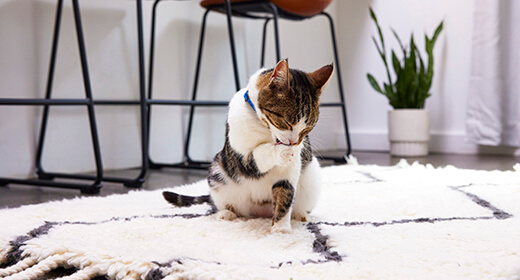
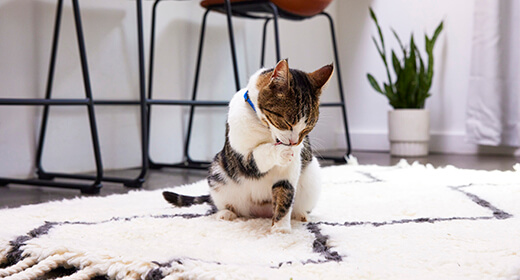
If you share your living space with a feline friend, you’ve likely experienced the fascinating yet perplexing world of cat nails. From the loud, rhythmic sound of scratching that greets your early morning to those tiny prods every now and then, the claws of cats are as intricate as they are functional. Let's take a journey together to understand why cats scratch and learn how to cut a cat's nails.
First and foremost, let's understand why your cat is a passionate ‘cat clawing expert’. Cats scratch for various reasons, including claw maintenance, exercise, marking territory, and even attention-seeking. Scratching enables them to remove the outer husk of their claws, revealing a sharp new surface underneath. Additionally, scent and sweat glands in their feet produce a unique smell, which is deposited when they scratch, marking their territory - a clever, multi-purpose act, isn't it?
If you're wondering, 'how much cat clawing is too much?', you're not alone. Many cats scratch indoors due to limited outdoor access, comfort, or safety concerns. If you find your cat scratching extensively, especially around doorways and windows, it could be a sign of insecurity or anxiety.
Spotting when your cat's nails are too long is crucial. Overgrown cat nails can cause injuries to their paw pads, lead to changes in gait which can affect their joints, and cause damage to your furniture. Generally, indoor cats require nail trims every couple of weeks, whereas outdoor cats may need them less frequently.
When it comes to cutting cat nails, creating a calm environment is key. Choose a quiet spot and find a comfortable position for you and your cat. You could try trimming their nails when they're sleepy or relaxed, like after a meal. Avoiding distractions such as windows or other pets can also make the process smoother.
Get your cat used to paw handling. Gently hold and rub their paw daily for a few seconds. If they're comfortable, extend a nail and reward them with a treat. This slow, rewarding process will make them more amenable to cat nail trimming.
When learning how to cut a cat's nails, it's important to familiarize your cat with the nail clipper. Let them see and sniff it to reduce anxiety. You could also familiarize them with the sound of the clipper by cutting a piece of dry spaghetti near their paw. Always remember to reward their calm behaviour.
Now it's time to clip. Carefully isolate the nail to cut and note where the quick is -- a vein that can cause pain and bleeding if cut. Cut the nail at a 45-degree angle, starting with the very tip. Be patient and careful not to cut the quick.
This isn't a race, so take your time when clipping cat nails. If your cat becomes agitated after a few nails, stop the session, and try again later. Forcing the process can cause stress and erode trust.
Maintaining a consistent cat nail trimming schedule is vital. As a rule of thumb, trim their nails once every one and a half to two weeks. But remember, every cat is different, so adjust as necessary. If you struggle with the process, seek advice from a professional groomer or veterinarian.
To keep your beloved furniture intact, providing an acceptable alternative to your cat's claws is crucial. A cat scratching post, sturdy and tall enough for the cat to stretch fully, is an excellent solution. These scratching posts mimic the texture and orientation (horizontal or vertical) of their preferred scratching area, redirecting their cat clawing behaviour.
Kitten nail trimming is similar to adult cat nail trimming, but with a few modifications. Firstly, begin the process of desensitizing their paws early. Show them the nail clipper and make sure it's not a source of fear. When cutting kitten nails, remember they're smaller and softer, so be extra cautious. And, don't forget the kitten scratching post. It's never too early to provide alternatives for their clawing needs.
With these steps, you're now well-equipped to take care of your cat's claws. Remember to stay patient and calm during the process, and always reward your cat for their cooperation. In no time, you'll become a pro at handling your feline friend's claws, ensuring their comfort and wellbeing.