Enter a keyword below to search for articles and products.


Have you ever noticed that your dog isn’t always the best at letting you know how they’re feeling, health-wise? Sure, that wagging tail tells you they’re happy, but what does it mean when they start sleeping longer, or not at all? What if they seem less interested in their food, or more interested in water?
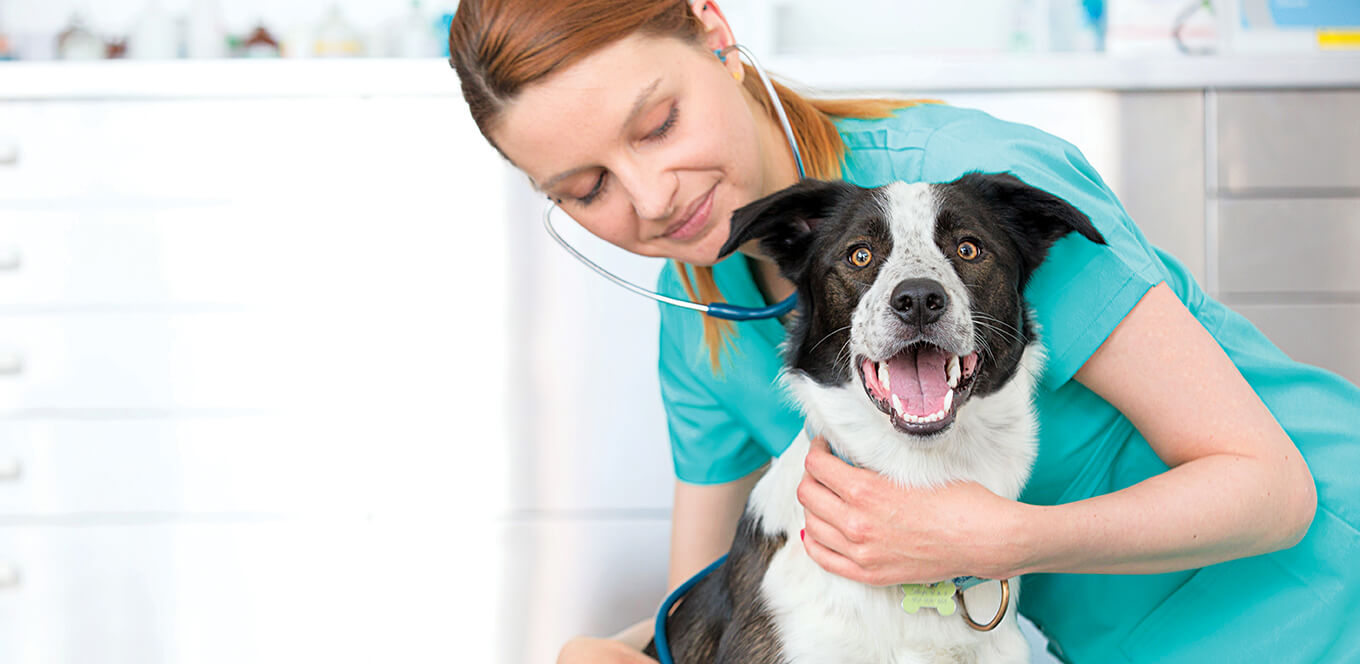
These are the kinds of questions your vet can answer at your dog’s annual vet visits. Plus, routine vet care is the best method for preventing health problems in your dog before they arise. To help you and your dog get the most out of your next annual visit, we’re answering some common questions about checkups.
Our friends at Banfield Pet Hospital recommend partnering with your veterinarian to determine how often you should bring your pet in for comprehensive exams. If you haven’t had a chance to speak with your vet, making time for an annual checkup is a great place to start. Yearly visits help mark milestones in your dog’s growth while monitoring ongoing concerns or spotting new developments. If you haven’t seen your vet in over a year, why not schedule an appointment?
Yearly visits are a great opportunity to make a plan for your pet’s health — while spotting any problems before they get more serious. Plus, you may realize you had questions about your pet’s health, but didn’t know how or who to ask.
It’s also important for you and your pet to get comfortable with your veterinarian. Taking your dog to the vet when there are no pressing health concerns gives them a better chance of seeing the vet as a safe and familiar place to visit. (In the event of a sudden or severe change in your pet’s health, be sure to contact your veterinarian immediately, rather than waiting for your next scheduled checkup.)
Cost is a common concern when it comes to vet visits. You may be wondering, “How much is a vet visit?” Unfortunately, there’s no standard answer. Vet visit cost generally depends on your veterinarian, your location and what type of services they offer during your pet’s checkup, which can include a physical exam, routine bloodwork and vaccinations, and chatting about how your pup is doing and whether you’ve noticed any changes in them. A 2019-2020 survey found that dog owners paid $212 on average for yearly routine vet visits1; many vet offices charge a standard exam fee of $40–$60 with additional costs for other services and diagnostics.2
Some pet health providers, like Banfield, offer annual preventive care packages with payment plans so pet owners have the option to budget the cost over the course of the next 12 months. As with most questions related to your visit, asking your vet is the most direct way to find out.
Right now, IAMS is helping dog owners skip the cost of their yearly checkups altogether. All you have to do is buy two qualifying bags of IAMS dog food; then, redeem your receipts here and IAMS will pay for the cost of your annual checkup. Your dog gets to eat veterinarian-recommended food and you get to save money. Win-win!
Nutrition and exercise are two of your most valuable tools to keep your pet on track between vet visits. In addition to examining your pet, your veterinarian can advise on how much exercise your pet needs and the right diet for them.
In general, the best nutritional option for your pet is a consistent, balanced and veterinarian-approved diet that meets their individual nutritional requirements and is appropriate for their life stage. No one formula is ideal for all pets, and your pet’s diet may need to change over time based on their lifestyle, life stage and medical history. That’s why IAMS offers a variety of diets to fit your dog’s unique needs — all designed to help promote healthy digestion, healthy skin and coat, and healthy energy for your best friend.
Hopefully you’ve followed our tips for helping you and your veterinarian bring out your dog’s unique best by making good use of their annual visit. During the checkup, your vet will probably give you advice on things to watch out for as your dog grows, as well as some practical advice for keeping them healthy in the meantime. Follow their guidance and, above all, keep loving on your furry family member.
1 Pet Industry Market Size, Trends & Ownership Statistics. (2021, March 24). Retrieved April 12, 2021, from https://americanpetproducts.org/industry-trends-and-stats
2 Banfield Price Estimator. (n.d.). Retrieved from https://www.banfield.com/Services/price-estimator
Dogs hit maturity around 7 years of age (5 years for larger dogs). It's not uncommon for them to live as long as 15 years. As your pet enters his golden years, his activity level might slow down and common conditions such as arthritis, diabetes, and kidney disease may arise. “It is so more important to monitor the eating habits of older pets,” stresses Tom Carpenter, DVM, president of the American Animal Hospital Association. “Generally, older pets do not need as much protein, sodium, and phosphorus. But your veterinarian needs to address this for your individual pet,” he says, adding that semiannual vet visits are recommended for an older animal.
Some mature dogs are prone to obesity. To test whether your dog is at a healthy weight, move your hands along his sides. If you can feel his ribs (but don't see them), he's doing okay. But if you feel a fat covering, or you visibly notice a rounded abdomen, he might be overweight. Exercise is still important for a senior dog, and if he's gained weight, you want to look for a low-fat weight-control food that contains vitamin-rich fish oils (IAMS™ ProActive Health™ Mature Adult is one good choice).
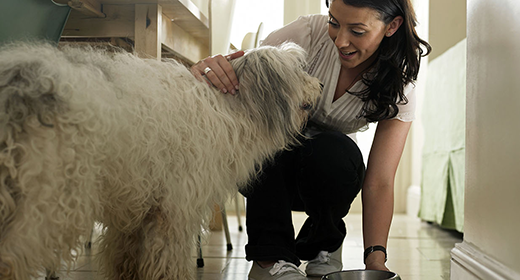
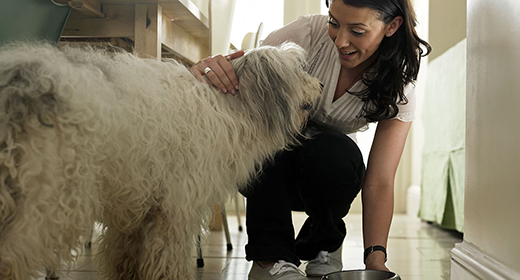
Other mature pets can become finicky eaters and lose weight as they age. 'Very old pets may actually need a more calorie-dense diet,' Carpenter says. Older dogs can lose their sense of smell and have a harder time chewing their food. To make mature dog food easier to eat, you can top their dry food with room-temperature wet food.
If your dog is gaining or losing a lot of weight, slightly decrease or increase his daily feedings. A sudden change in weight or appetite might be a sign of disease, so you should check with your vet. Water is also essential. 'Older pets are at a higher risk of dehydration,' Carpenter says. Provide a clean bowl with fresh water at all times.