Enter a keyword below to search for articles and products.


Have you ever noticed that your dog isn’t always the best at letting you know how they’re feeling, health-wise? Sure, that wagging tail tells you they’re happy, but what does it mean when they start sleeping longer, or not at all? What if they seem less interested in their food, or more interested in water?
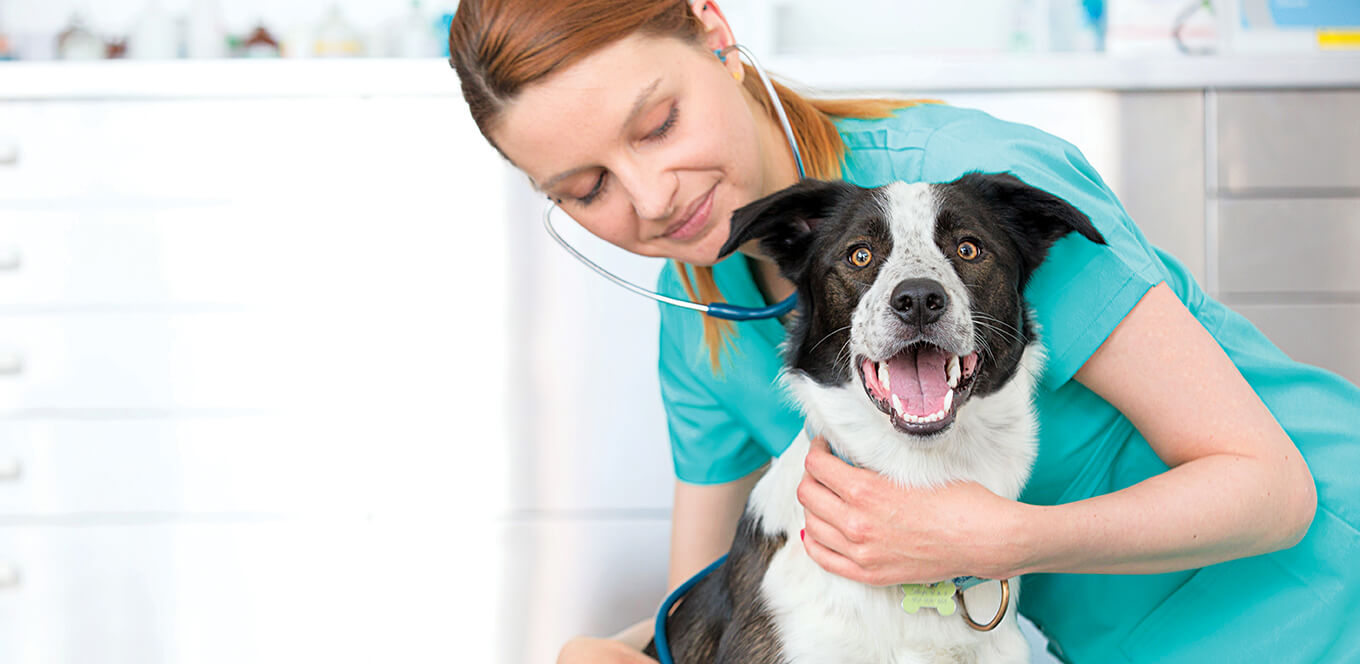
These are the kinds of questions your vet can answer at your dog’s annual vet visits. Plus, routine vet care is the best method for preventing health problems in your dog before they arise. To help you and your dog get the most out of your next annual visit, we’re answering some common questions about checkups.
Our friends at Banfield Pet Hospital recommend partnering with your veterinarian to determine how often you should bring your pet in for comprehensive exams. If you haven’t had a chance to speak with your vet, making time for an annual checkup is a great place to start. Yearly visits help mark milestones in your dog’s growth while monitoring ongoing concerns or spotting new developments. If you haven’t seen your vet in over a year, why not schedule an appointment?
Yearly visits are a great opportunity to make a plan for your pet’s health — while spotting any problems before they get more serious. Plus, you may realize you had questions about your pet’s health, but didn’t know how or who to ask.
It’s also important for you and your pet to get comfortable with your veterinarian. Taking your dog to the vet when there are no pressing health concerns gives them a better chance of seeing the vet as a safe and familiar place to visit. (In the event of a sudden or severe change in your pet’s health, be sure to contact your veterinarian immediately, rather than waiting for your next scheduled checkup.)
Cost is a common concern when it comes to vet visits. You may be wondering, “How much is a vet visit?” Unfortunately, there’s no standard answer. Vet visit cost generally depends on your veterinarian, your location and what type of services they offer during your pet’s checkup, which can include a physical exam, routine bloodwork and vaccinations, and chatting about how your pup is doing and whether you’ve noticed any changes in them. A 2019-2020 survey found that dog owners paid $212 on average for yearly routine vet visits1; many vet offices charge a standard exam fee of $40–$60 with additional costs for other services and diagnostics.2
Some pet health providers, like Banfield, offer annual preventive care packages with payment plans so pet owners have the option to budget the cost over the course of the next 12 months. As with most questions related to your visit, asking your vet is the most direct way to find out.
Right now, IAMS is helping dog owners skip the cost of their yearly checkups altogether. All you have to do is buy two qualifying bags of IAMS dog food; then, redeem your receipts here and IAMS will pay for the cost of your annual checkup. Your dog gets to eat veterinarian-recommended food and you get to save money. Win-win!
Nutrition and exercise are two of your most valuable tools to keep your pet on track between vet visits. In addition to examining your pet, your veterinarian can advise on how much exercise your pet needs and the right diet for them.
In general, the best nutritional option for your pet is a consistent, balanced and veterinarian-approved diet that meets their individual nutritional requirements and is appropriate for their life stage. No one formula is ideal for all pets, and your pet’s diet may need to change over time based on their lifestyle, life stage and medical history. That’s why IAMS offers a variety of diets to fit your dog’s unique needs — all designed to help promote healthy digestion, healthy skin and coat, and healthy energy for your best friend.
Hopefully you’ve followed our tips for helping you and your veterinarian bring out your dog’s unique best by making good use of their annual visit. During the checkup, your vet will probably give you advice on things to watch out for as your dog grows, as well as some practical advice for keeping them healthy in the meantime. Follow their guidance and, above all, keep loving on your furry family member.
1 Pet Industry Market Size, Trends & Ownership Statistics. (2021, March 24). Retrieved April 12, 2021, from https://americanpetproducts.org/industry-trends-and-stats
2 Banfield Price Estimator. (n.d.). Retrieved from https://www.banfield.com/Services/price-estimator
Dogs are goofy and cute animals that do the strangest things at times. We have all noticed puppies and dogs roll in the mud, lick their paws, or even sniff other dogs. Yet, the most disturbing sight is to witness a dog eating poop. Yes, dogs often try to eat their own poop, and at times another animal’s poop as well. This strange habit of dogs can be very worrisome to its caregivers, but why do dogs eat poop? Is there a valid reason for dogs to eat poop? Also, what happens if dogs eat poop? Well, there are numerous reasons to why dogs eat poop. Read the following to know more about this condition and why it occurs.
Coprophagia is a medical issue that conditions dogs to eat poop. It is a common condition and is believed to affect at least one in six dogs at a serious level, while at least one in four dogs have been caught trying to eat poop. This condition often occurs because of a decrease in the absorption of essential nutrients. Limited nutrients cause gastrointestinal issues which sometimes lead to coprophagia. A dog suffering from coprophagia finds their own as well as other animal’s stool appealing and appetising. If you have noticed your dog eating poop or sniffing poop, then you should try to understand the reason for it before the condition exceeds.
Although coprophagia can cause dogs to eat poop, what causes this condition? Why do dogs eat their own poop because of coprophagia? Read the following to understand the various hypothesis that may be contributing to your pooch’s poop-eating habit.
Most new and nursing momma pooches are found eating their puppies’ poop. Female furballs often do this to keep their kennel clean after their little one has littered the area. Your pet might eat its puppies’ poop to protect it from predators that might follow the poop’s smell. This condition can easily be controlled by always keeping your fur ball’s bed and kennel clean. You can install a puppy pee pad that can be regularly changed and cleaned to ensure the newborns are in sanitary conditions. Keeping the mother dog and puppies in a clean and tidy environment can immediately stop their willingness to eat poop.
Poop is basically digested food. Therefore, one of the reasons for your dog to eat poop could be they simply find other animals’ stool more appetising. If you notice your pooch trying to eat certain animal poops such as rabbits, cats, cows, etc. then they might like the taste of digested plants. In such cases, you can always consult their vet and get a preferred dog food prescription that might help in curbing your pet’s cravings.
One of the reasons your dog prefers eating poop could also be linked to anxiety. Dogs often get anxious because of new surroundings, unfamiliar sounds, and other similar reasons. Anxiety can lead to dogs getting involved in displacement behaviour such as eating poop. At such times pet parents should try to identify the cause of anxiety and resolve the issue to control coprophagia.
Sometimes dogs might feast on a stool to make up for the nutrition they are lacking. Feeding your pet, a nutrition deficit diet can lead them to eat poop. Indigestion, underfeeding, lack of vitamins and minerals, and parasites are some other reasons that might cause a lack of nutrition and an increase in the dog's urge for eating poop.
Dogs are also notorious for seeking attention with unusual activities. Your canine friend might do the most absurd thing to get some extra attention. Eating their own poop or others' poop can be one such act. In such situations, you can easily get your pooch to give up the habit by training it and giving it some extra love and attention.
If your dog eats poop there are chances of it suffering from numerous health concerns. Poop is simply waste that might carry harmful pathogens which can cause illness and uneasiness if consumed. Your pet might suffer from gastroenteritis, vomiting, decreased appetite, nausea, intestinal parasites, and diarrhea after consuming poop. Hence, it is necessary to identify the root cause of this habit and treat it at the earliest.
Now that you know the several reasons why dogs eat poop, it is time to understand how to stop your pooch from eating faeces. Given below are a few steps that you can take to control and eventually stop dogs from eating poop.
It is easy to train your dogs to follow a certain command or pattern. Therefore, getting your dog to stop eating poop can also be taught through training. You can simply train them to not eat poop by using a stern and commanding voice each time they try to eat stool. However, ensure to treat them with their favourite treat each time they listen to you. Follow this activity regularly until they stop trying to eat poop. Training a dog can sometimes take weeks, so you need to be patient and consistent while training.
If your pet eats poop to seek attention or out of anxiety, then you can easily get it to stop by giving them some attention. Starting a game of fetch, offering their favourite toy or treat, or simply calling their name are some ways to distract your pooch from consuming stool.
Keep the pooch away from the general toilet area and use a commanding tone every time they try to get needed poop. This will make them stay away from poop to avoid trouble. Making poop less appealing and treating it like a hazard can make your furball eventually stay away from poop. Potty training your dog and clean up soon after they have done the deed also helps in controlling their urge to eat poop.
Although coprophagia seems like a very serious condition, it is a very common condition. As mentioned previously one out of six dogs suffer from this condition, but with a little guidance and training, you can easily get it to stop consuming unpleasant hazardous things like garbage and poop. You should also try changing your dog’s food to more nutritious and nourishing food with high protein content, the right amount of fiber, and other nourishing elements like vitamins and minerals. However, if they continue eating poop, then you should visit a veterinarian doctor to get the condition diagnosed and treated at the earliest.