Enter a keyword below to search for articles and products.


Have you ever noticed that your dog isn’t always the best at letting you know how they’re feeling, health-wise? Sure, that wagging tail tells you they’re happy, but what does it mean when they start sleeping longer, or not at all? What if they seem less interested in their food, or more interested in water?
These are the kinds of questions your vet can answer at your dog’s annual vet visits. Plus, routine vet care is the best method for preventing health problems in your dog before they arise. To help you and your dog get the most out of your next annual visit, we’re answering some common questions about checkups.
Our friends at Banfield Pet Hospital recommend partnering with your veterinarian to determine how often you should bring your pet in for comprehensive exams. If you haven’t had a chance to speak with your vet, making time for an annual checkup is a great place to start. Yearly visits help mark milestones in your dog’s growth while monitoring ongoing concerns or spotting new developments. If you haven’t seen your vet in over a year, why not schedule an appointment?
Yearly visits are a great opportunity to make a plan for your pet’s health — while spotting any problems before they get more serious. Plus, you may realize you had questions about your pet’s health, but didn’t know how or who to ask.
It’s also important for you and your pet to get comfortable with your veterinarian. Taking your dog to the vet when there are no pressing health concerns gives them a better chance of seeing the vet as a safe and familiar place to visit. (In the event of a sudden or severe change in your pet’s health, be sure to contact your veterinarian immediately, rather than waiting for your next scheduled checkup.)
Cost is a common concern when it comes to vet visits. You may be wondering, “How much is a vet visit?” Unfortunately, there’s no standard answer. Vet visit cost generally depends on your veterinarian, your location and what type of services they offer during your pet’s checkup, which can include a physical exam, routine bloodwork and vaccinations, and chatting about how your pup is doing and whether you’ve noticed any changes in them. A 2019-2020 survey found that dog owners paid $212 on average for yearly routine vet visits1; many vet offices charge a standard exam fee of $40–$60 with additional costs for other services and diagnostics.2
Some pet health providers, like Banfield, offer annual preventive care packages with payment plans so pet owners have the option to budget the cost over the course of the next 12 months. As with most questions related to your visit, asking your vet is the most direct way to find out.
Right now, IAMS is helping dog owners skip the cost of their yearly checkups altogether. All you have to do is buy two qualifying bags of IAMS dog food; then, redeem your receipts here and IAMS will pay for the cost of your annual checkup. Your dog gets to eat veterinarian-recommended food and you get to save money. Win-win!
Nutrition and exercise are two of your most valuable tools to keep your pet on track between vet visits. In addition to examining your pet, your veterinarian can advise on how much exercise your pet needs and the right diet for them.
In general, the best nutritional option for your pet is a consistent, balanced and veterinarian-approved diet that meets their individual nutritional requirements and is appropriate for their life stage. No one formula is ideal for all pets, and your pet’s diet may need to change over time based on their lifestyle, life stage and medical history. That’s why IAMS offers a variety of diets to fit your dog’s unique needs — all designed to help promote healthy digestion, healthy skin and coat, and healthy energy for your best friend.
Hopefully you’ve followed our tips for helping you and your veterinarian bring out your dog’s unique best by making good use of their annual visit. During the checkup, your vet will probably give you advice on things to watch out for as your dog grows, as well as some practical advice for keeping them healthy in the meantime. Follow their guidance and, above all, keep loving on your furry family member.
1 Pet Industry Market Size, Trends & Ownership Statistics. (2021, March 24). Retrieved April 12, 2021, from https://americanpetproducts.org/industry-trends-and-stats
2 Banfield Price Estimator. (n.d.). Retrieved from https://www.banfield.com/Services/price-estimator
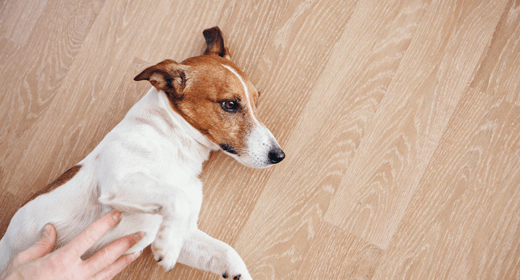
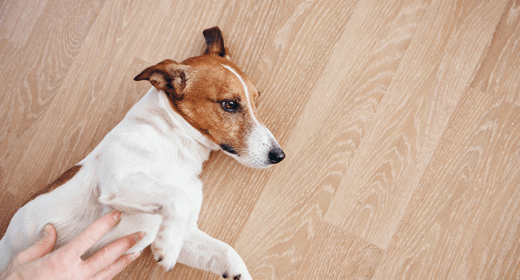
Bloat can affect any dog; however, it is observed in deep-chested, larger breeds more frequently than in others. Unfortunately, you will find that many dog owners are completely unaware of this ailment until it starts to endanger their pet’s life.
Bloat can affect any dog; however, it is observed in deep-chested, larger breeds more frequently than in others. Unfortunately, you will find that many dog owners are completely unaware of this ailment until it starts to endanger their pet’s life. Therefore, all pet owners should be aware of bloat and how to spot and respond to symptoms of bloat in dogs. So, here’s all you need to know about bloating in dogs.
Bloat is a life-threatening condition that acts rapidly and can lead to death within hours if not recognised and treated immediately. Unfortunately, the cause of bloat remains unknown at this time.
The scientific term for bloat is gastric dilatation-volvulus or GDV. Bloat is characterised by rapid and abnormal expansion of the stomach with gas (dilatation). This can be followed by rotation of the stomach (volvulus). This rotation closes both the entry to and exit from the stomach. The blood vessels also are closed, and the blood flow is restricted.
What follows is an increase in pressure inside the stomach and compression of the surrounding organs. Eventually, shock will occur as a result of the restricted blood flow. Here are a few key facts about bloat:
Bloat is a true medical emergency, and early identification and treatment is critical for survival.
In the early stages of bloat, the dog will be very uncomfortable. You might see it pacing and whining or trying unsuccessfully to get into a comfortable position. It might seem anxious, might lick, or keep staring at its stomach, and might attempt to vomit, without success.
Other indications of bloat can include weakness, swollen abdomen, and even signs of shock. Signs of shock are increased heart rate and abnormally rapid breathing.
If you notice these signs of bloat in dogs, call your veterinarian immediately!
This occurs due to gas getting trapped in the stomach region.
Gastrointestinal problems in dogs can cause excessive salivation, including esophageal diseases like megaesophagus.
Pacing and restlessness are typical signs of bloating. Your dog may even groan or whine when you press on their belly.
An abnormal swelling due to gas in your dog’s stomach can also cause respiratory distress along with a twisted belly.
Bloating can put strain on the diaphragm, a delicate muscle that divides the chest from the abdomen. This ends up making heartbeats shorter and breathing difficult.
Although veterinarians don't know what causes bloat in dogs, there are numerous factors that increase a dog's risk for this condition. These include:
These suggestions could help in preventing bloat in dogs. However, they are based on suspected risk factors and are not guaranteed to prevent the onset of bloat.
All cases of bloat in dogs require prompt medical intervention. The condition can be treated if it gets addressed quickly. In case of a simple bloat, where the dog's stomach has not twisted, the pet may be treated without any medication. They may be given fluids and certain therapies. If discovered in its early stages, other types of bloats such as GDV, may also be treatable. Surgical intervention may also be used for treatment in certain cases.
Releasing the trapped air and gas will relieve pressure on the surrounding organs and prevent the stomach's tissue from degenerating. A tube and stomach pump can be used for this; however, surgery may be required on occasion. This can aid in stomach unwinding or curing GDV in dogs.
Additionally, electrolyte-fortified intravenous fluids are also administered to improve blood flow to vital organs. In many cases, this necessitates the use of potent painkillers, antibiotics, and medications to treat the decreased blood supply to the heart due to bloating.
As soon as the dog is steady, surgery is carried out. Your veterinarian may need to untwist the dog's stomach and remove any stomach wall tissue that might have died from a lack of blood supply. The veterinarian will also perform a treatment known as a gastropexy to suture the stomach to the body wall. As a result, the likelihood of the stomach rotating in the future decreases significantly; thus, preventing bloat in dogs.
Another way you might help prevent bloat is by feed a high-quality, easily digestible food with normal fibre levels.
Feeding management offers the best method available for reducing risk until the exact cause of bloat can be identified. Although not 100% effective, these measures can reduce the number of dogs that face this serious, life-threatening condition.
IAMS™ dog food stands out as a superior and highly digestible choice for your furry companion.
If you're looking for the perfect dog for you, try our Dog Breed Selector today and enjoy a lifetime of tail-wagging joy.