Enter a keyword below to search for articles and products.
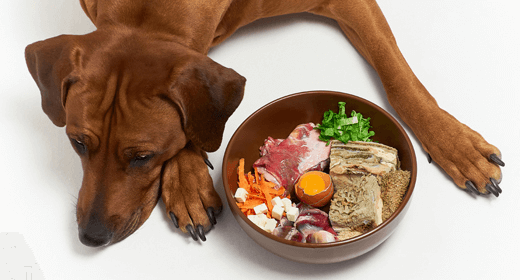
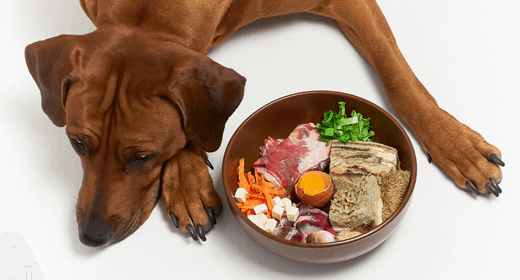
Protein is best known for supplying amino acids to build hair, skin, nails, muscles, tendons, ligaments, and cartilage. It also plays a main role in hormone production.
The protein in dog foods can be supplied by animal sources, plant sources or a combination of the two. High-quality animal-source proteins contain all of the essential amino acids dogs need, while a single plant-based protein might not contain adequate amounts of some essential amino acids.
Common animal-based protein sources used in pet food include chicken, lamb, fish, and beef.
Even though they are often fed plant-based diets, dogs are not herbivores. While dogs are technically considered to be omnivores—animals that eat both animal- and plant-based foods—they should be treated primarily as carnivores to better fulfill their specific nutritional requirements.
Dogs are members of the Canidae family. This family also includes the wolf, coyote, fox, and jackal. The ancestors and relatives of today's common dog hunted animals and ate them as a means of survival.
The body structure of domestic dogs is similar to that of their ancestors and relatives and is ideal for eating prey. Dogs have the enlarged carnassial teeth after which carnivores are named. Their gastrointestinal tract is simple and does not have the capacity to digest large amounts of plant products.
Animal-based proteins help dogs achieve optimal health.


Puppies bring abundant joy to our lives from the moment we bring them home and caring for them comes as second nature to us. ‘How to take care of puppies’ is one of the most frequently asked questions by new puppy owners. But taking care of puppies is quite easy with the right method. IAMS is here to help you every step of the way in raising your puppy. From having a varied dog food range to providing tips on dog nutrition, we have got you covered.
Puppies need healthy food and a safe environment as they’re vulnerable to various types of illnesses and diseases. Also, puppies have a natural tendency to chew on objects, so it’s important to ensure that they don’t end up swallowing dangerous objects. Make sure you offer toys to your puppy to satisfy its need to chew.
If you feed your puppy healthy food from the start, it will remain healthy even in its old age. Proper nutrition from the start ensures that your puppy does not fall sick or even suffer from fur loss. Making sure that your puppy remains active is very important. A sedentary lifestyle, even for dogs, is extremely harmful to their health in the long run. All these things are an essential part of taking care of your puppy that adds to its healthy and long life.
Here is a table that will help you understand your puppy’s growth and developmental stage better:
Growth stage | 0-7 weeks | 7-8 weeks | 8-10 weeks | 8-16 weeks | 4-6 months | 6-12 months | 12-18 months |
Character traits | Puppies learn social behaviour like when to bite, submission, paying attention and general interaction with other dogs. | This is the best period for puppies to bond with humans. | This is a very vulnerable stage for the puppy, and it is best if it has positive experiences during this stage. It is also called the ‘fear period’. | You can start training your puppy during this stage. And avoid incorporating punishment for this purpose. | Your puppy may appear more confident and independent during this stage. | This is the stage when your pup is high on energy. You must ensure it does not experience boredom during this stage. | By the time your pup reaches this stage, it should have reached emotional maturity as well. |
You may begin training them at this stage with basic simple manners. | It is important to make your puppy feel good if it’s sad. | Ensure you get your puppy spayed or neutered by the 6th month. | Provide many opportunities to your dog to play with different kinds of toys. | During this phase, your dog tends to assert its dominance and hope to improve its status in your house. |
Owning a puppy feels special, doesn’t it? You have to keep a few things in mind when you bring your puppy home. Here are some tips that may help you raise your dog with ease: