Enter a keyword below to search for articles and products.
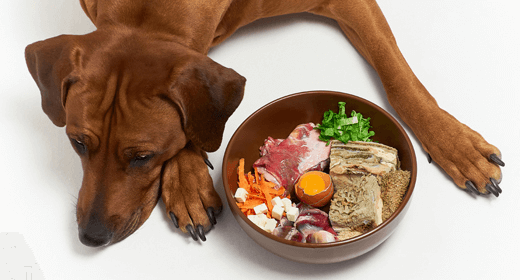
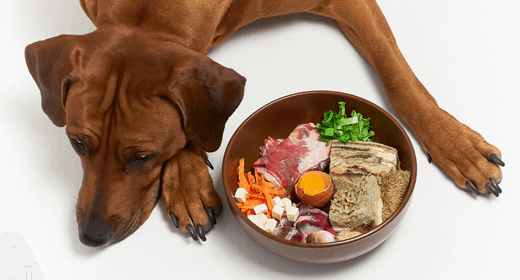
Protein is best known for supplying amino acids to build hair, skin, nails, muscles, tendons, ligaments, and cartilage. It also plays a main role in hormone production.
The protein in dog foods can be supplied by animal sources, plant sources or a combination of the two. High-quality animal-source proteins contain all of the essential amino acids dogs need, while a single plant-based protein might not contain adequate amounts of some essential amino acids.
Common animal-based protein sources used in pet food include chicken, lamb, fish, and beef.
Even though they are often fed plant-based diets, dogs are not herbivores. While dogs are technically considered to be omnivores—animals that eat both animal- and plant-based foods—they should be treated primarily as carnivores to better fulfill their specific nutritional requirements.
Dogs are members of the Canidae family. This family also includes the wolf, coyote, fox, and jackal. The ancestors and relatives of today's common dog hunted animals and ate them as a means of survival.
The body structure of domestic dogs is similar to that of their ancestors and relatives and is ideal for eating prey. Dogs have the enlarged carnassial teeth after which carnivores are named. Their gastrointestinal tract is simple and does not have the capacity to digest large amounts of plant products.
Animal-based proteins help dogs achieve optimal health.
A balanced diet with high-quality protein is essential for your dog's optimal wellness.
Author: Dr. Saza Curaming
Dogs are semi-carnivores. They can be nourished by protein from animal sources, plant sources or a combination of both. Although dogs are often fed a plant-based diet, they are not herbivores.
The difference between animal-based protein and plant-based protein sources is that animal-based ones incorporate chicken, lamb, fish meal, and beef while plant-based protein sources include corn-gluten and soybean meal.
Similar to their carnivorous ancestors–wolves, coyotes, foxes, and jackals, the body structure of dogs is optimized for eating meat which is relatively easier for them to digest than a plant-based diet.
Even though dogs are semi-carnivores, it is important to not leave out animal-based proteins from their diet. Feeding our dogs meat-based products are closely related to their natural ancestral diet. There are three main reasons animal-based proteins are better suited for our furry friends than plant-based proteins.
Including protein in your pet dog’s diet serves several functions. For one, a high-quality protein food for dogs can provide amino acids. Amino acids play a key part in building hair, skin, nails, muscles, tendons, ligaments, and cartilage. Protein plays a key role in hormone and enzyme production.
Amino acids are building blocks and are considered critical to our furry best friend. Different studies have shown that out of the 20 amino acids, 10 of these are called non-essential and can be made by your dog when they need it.
A dog’s need for amino acids will also change depending on age and condition. As dogs age, their body composition and muscle-specific proteins decline and for that reason, giving them protein in their meal helps them maintain a healthy body throughout the years.
That said, it goes without saying that puppies require sufficient protein for growth. According to a study, a puppy's diet should consist of at least 22% protein. For an adult dog, 18% of protein should be incorporated into their everyday meal.
Animal protein sources contain an average of 35% higher protein concentration. It contains higher doses of calcium, phosphorus, omega 6, methionine, cystine, and taurine.
While protein can be derived from plants, the canine digestive system typically has an easier time utilizing animal-sourced protein. Our dog's gastrointestinal tract is not designed to digest large amounts of plant-based products.
To deliver a healthy balance of amino acids to support your dog's health and vitality, IAMS created a recipe that uses chicken as their number one ingredient and aids in maintaining healthy digestion, immune system, skin and coat, and even provides dental care support that is developed with veterinarians.
Ready to achieve your dog’s optimal health with an animal-based protein food? For more information about IAMS Dog, visit https://iams.asia/my/. IAMS Dog is available at all leading supermarkets and grocery stores nationwide.