Enter a keyword below to search for articles and products.


Antioxidants are nutrients found naturally in the body and in plants such as fruits and vegetables. Common antioxidants include vitamin A, vitamin C, vitamin E, and certain compounds called carotenoids (like lutein and beta-carotene).
As cells function normally in the body, they produce damaged molecules called free radicals. These free radicals are highly unstable and steal components from other cellular molecules, such as fat, protein, or DNA, thereby spreading the damage.
This damage continues in a chain reaction, and entire cells soon become damaged and die. This process is called peroxidation. Peroxidation is useful because it helps the body destroy cells that have outlived their usefulness and kills germs and parasites. However, peroxidation, when left unchecked, also destroys or damages healthy cells.
Antioxidants help prevent widespread cellular destruction by stabilizing free radicals. More important, antioxidants return to the surface of the cell to stabilize, rather than damage, other cellular components.
When there are not enough antioxidants to keep peroxidation in check, free radicals begin damaging healthy cells, which, in turn, can lead to problems. For example, free-radical damage to cells of the immune system can lead to an increased risk of infections.
Because antioxidants play a key role in minimizing damage to human cells, such as those that make up the immune system, research examined the benefits of certain antioxidants on the immune response of dogs. The results of these studies indicated that antioxidants are important in helping dogs maintain a healthy immune system.
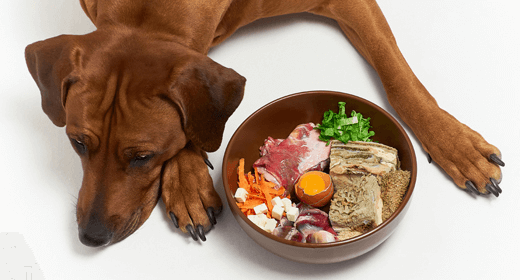
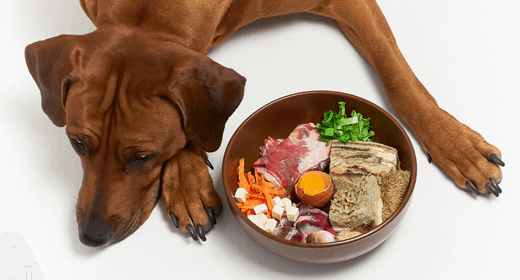
A balanced diet with high-quality protein is essential for your dog's optimal wellness.
Author: Dr. Saza Curaming
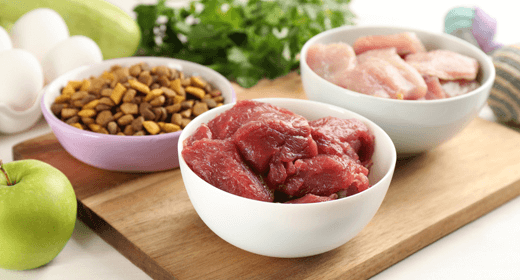
Dogs are semi-carnivores. They can be nourished by protein from animal sources, plant sources or a combination of both. Although dogs are often fed a plant-based diet, they are not herbivores.
The difference between animal-based protein and plant-based protein sources is that animal-based ones incorporate chicken, lamb, fish meal, and beef while plant-based protein sources include corn-gluten and soybean meal.
Similar to their carnivorous ancestors–wolves, coyotes, foxes, and jackals, the body structure of dogs is optimized for eating meat which is relatively easier for them to digest than a plant-based diet.
Even though dogs are semi-carnivores, it is important to not leave out animal-based proteins from their diet. Feeding our dogs meat-based products are closely related to their natural ancestral diet. There are three main reasons animal-based proteins are better suited for our furry friends than plant-based proteins.
Including protein in your pet dog’s diet serves several functions. For one, a high-quality protein food for dogs can provide amino acids. Amino acids play a key part in building hair, skin, nails, muscles, tendons, ligaments, and cartilage. Protein plays a key role in hormone and enzyme production.
Amino acids are building blocks and are considered critical to our furry best friend. Different studies have shown that out of the 20 amino acids, 10 of these are called non-essential and can be made by your dog when they need it.
A dog’s need for amino acids will also change depending on age and condition. As dogs age, their body composition and muscle-specific proteins decline and for that reason, giving them protein in their meal helps them maintain a healthy body throughout the years.
That said, it goes without saying that puppies require sufficient protein for growth. According to a study, a puppy's diet should consist of at least 22% protein. For an adult dog, 18% of protein should be incorporated into their everyday meal.
Animal protein sources contain an average of 35% higher protein concentration. It contains higher doses of calcium, phosphorus, omega 6, methionine, cystine, and taurine.
While protein can be derived from plants, the canine digestive system typically has an easier time utilizing animal-sourced protein. Our dog's gastrointestinal tract is not designed to digest large amounts of plant-based products.
To deliver a healthy balance of amino acids to support your dog's health and vitality, IAMS created a recipe that uses chicken as their number one ingredient and aids in maintaining healthy digestion, immune system, skin and coat, and even provides dental care support that is developed with veterinarians.
Ready to achieve your dog’s optimal health with an animal-based protein food? For more information about IAMS Dog, visit https://iams.asia/my/. IAMS Dog is available at all leading supermarkets and grocery stores nationwide.