Enter a keyword below to search for articles and products.
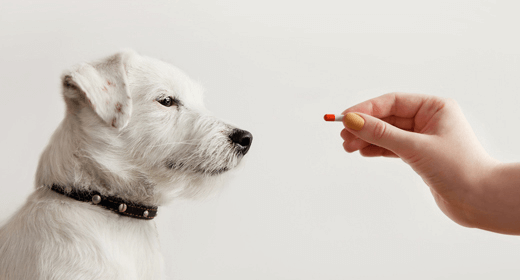
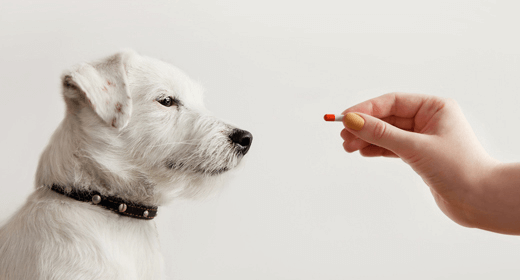
Providing pets with vitamins, minerals, and other nutritional components is important to pet health and well-being, and the best way to do this is to feed a high-quality, complete, and balanced diet. Supplementing dog food often upsets the balance and might cause health problems.
People supplement their dog's diet for different reasons:
It is important to know that a quality dog food is carefully formulated to meet the caloric needs of the animal. The food provides essential amino acids, vitamin-rich fish oils, and minerals specific to the nutritional requirements of the dog.
Quality foods are complete and balanced for a specific life stage or lifestyle. Adding table scraps or other supplements can disrupt the delicate nutrient balance.
The interaction between minerals is very complex. Fortunately, this area of nutrition has been the focus of extensive research for many years. Research has shown that not only are the individual levels of minerals in a diet important but the proper balance is also. An excess of one mineral might affect the absorption of a second, and lead to a deficiency in that second mineral.
One common way of supplementing is to feed extra meat. However, because meat contains 20 to 40 times more phosphorus than calcium, adding meat to a balanced diet will upset the calcium to phosphorus (or Ca:P) ratio, which is important for proper bone development and maintenance.
This might prompt your pet's body to absorb calcium from the bones in order to reach the right balance. This is often the case in older animals that experience tooth loss due to the reabsorption of bone from the lower jaw. Ca:P ratio should range between 1.1 to 1.4 parts of calcium for each part of phosphorus.
Excess amounts of calcium have been associated with several bone diseases affecting growing puppies. Owners of large-breed puppies, in particular, believe that their puppies require extra calcium for proper development of large bones. Adding yogurt, cottage cheese, or calcium tablets to the puppy's diet will only upset the body's delicate mineral balance.
Remember: Large-breed puppies consume more food and get the calcium their bodies need by eating the recommended portions. The best way to support a normal growth rate is to feed growing dogs a balanced diet using a portion-controlled regimen.
The Association of American Feed Control Officials (AAFCO) regulates the pet food industry and has established certain nutritional requirements for dogs. These requirements are published annually in the AAFCO Manual. Only pet foods that have met the strict criteria established by AAFCO can carry the 'complete and balanced' statement on the label.
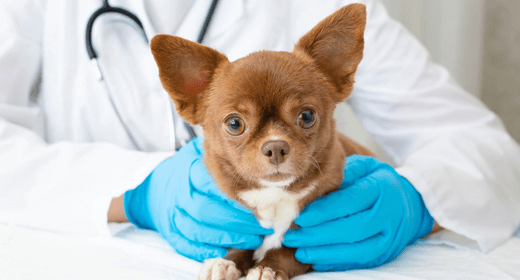
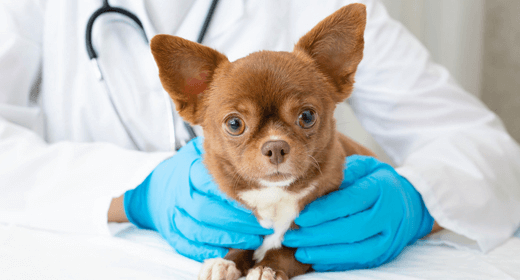
Population control is as essential for pets as it is for humans. Overpopulation by unwanted kindle of kittens or puppies is difficult to manage by caregivers. Many newborn young kittens and puppies are either put up for adoption or sent to an animal shelter. Besides, reproduction can be a tedious journey for your furry friend. Hence, it is better to get them spayed and neutered at the right time.
Spaying and neutering are medical procedures performed on dogs to stop their reproduction process. Dog neutering and spaying is one the essential medical procedures for providing care to your fur baby. There are many benefits of neutering and spaying your canine friend. To understand more about this helpful medical procedure, read the following.
A neutered or spayed dog cannot reproduce as their heat cycle is eliminated. Dog neutering is a medical procedure performed on male dogs while spaying is performed on female dogs. Veterinarian surgeons perform a surgical procedure to remove ovaries and uterus from female dogs. Besides population control, spaying also prevents uterine infections and breast cancer in female dogs. Whereas neutering is a similar procedure performed on male dogs. Neutered dogs undergo surgery for removing both testicles and associated structures. Male neutered dogs are generally believed to be more well-behaved and calmer. The surgery also stops their breeding acts such as humping and the urge to run away.
Getting your dog spayed and neutered is essential for their psychological and physical well-being and behaviour. Yet, when to spay a dog and when to neuter a puppy is a common query amongst pet caregivers. Well, it is best to get your pooch neutered or spayed at the earliest. It is best to get your fur baby neutered or spayed before it develops breeding instincts. Undergoing the procedure between 4 and 6 months is suggested. Most breeds of dogs reach redevelopment maturity around 6 months of age, yet some breeds can easily be neutered or spayed until 9 months or even after they turn over a year old. Hence, your pooch’s breed and size decide how soon it needs to be spayed or neutered.
There are numerous reasons to opt for spaying and neutering for pets. By undergoing spaying and neutering procedures, pets can achieve better physical and psychological health. Neutered and spayed dogs are known to have better hormonal balance as their reproductive organs are removed which helps in neutralizing their breeding instincts. Mentioned below are a few more reasons why you should get your pets neutered and spayed.
It is necessary to take some preventive measures to build trust and assurance before getting your pooch neutered or spayed. The following are a few things you should do to prepare your canine friend before getting it neutered/ spayed.
Neutering or spaying can typically take anywhere between 20 to 90 minutes depending on the size, breed, and health of your pooch. As a pet parent, you need to ensure the best care and support for your fur baby to ensure its complete and stress-free recovery post-surgery. Puppies and dogs often take up to 10 to 14 days to recover after getting neutered or spayed. The following are a few things you should do to ensure your puppy recovers well after getting neutered or spayed.
Your pooch needs to relax and rest well to get back to its bubbly mood as soon as possible. Resting is especially required for healing the surgery scars. It is suggested to avoid letting them run or jump right after surgery. You should also puppy-proof your house to limit any potential mishaps to protect them post-surgery.
Puppies and dogs tend to fight for socialising. However, post-surgery recovery requires your fur baby to relax and recover. Mingling with other animals increases their chances of getting into minor accidents which can potentially increase their recovery time. Hence, it is best to limit your pet’s interaction with other animals until it has fully recovered.
Do not bathe your pooch for at least 10 days post-surgery. This is to prevent their wound from getting wet and infected. It is also necessary to change the wound’s dressing to keep it clean and hygienic post-surgery.
You need to keep a close tab on the pooch’s recovery. Arrange for a vet’s appointment for conducting regular checkups and dressing changes. You should also check for redness, swelling, discharge, odor, and uneasiness to prevent infections and allergies.
Make sure the pet eats well and is in stable condition once it is back home. Get in touch with your vet immediately if you notice the pooch vomiting, not eating well, or if it suffers from diarrhea. You should also look out for signs of lethargy and discomfort during the recovery period.
Managing the population is essential for strays as well as pets. When you get your pets neutered and spayed, you eliminate their chances of contributing to the overpopulation of dogs. Besides, spaying and neutering also help in managing your pooch’s aggression and urge to run away by controlling their hormones and making them calmer. Neutering and spaying also save your pooch from falling prey to infections and fatal illnesses like cancer. Hence, it is best to get your canine friend neutered or spayed at the earliest by consulting a vet.