Enter a keyword below to search for articles and products.
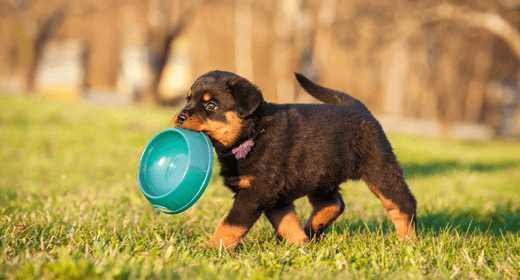
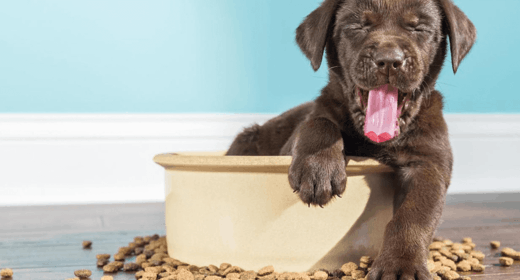
Low-cost food might be better for your wallet, but it can be a raw deal for your dog, because he may not get the nutrition he needs. Premium foods, such as IAMS™ ProActive Health™ Smart Puppy Original , make sense both nutritionally (because of consistent, high-quality ingredients) and economically because they provide:
The investment in a premium food might initially cost more per bag, but because these high-quality formulas are high in nutrient density, your dog may need less food, which can offset the higher cost per unit of weight. On a cost-per-feeding basis, look at how much you feed each day as opposed to how much the bag costs, because nutrient and energy density will generally be lower for a low-cost food compared with premium foods.
With budget-priced formulas, the emphasis is on production and ingredient costs. Two bags of the same least-cost formulated food can have different ingredients and/or levels of ingredients. Plus, those ingredients may vary significantly in digestibility. This means, simply, that you may need to feed more just to equal the nutrition offered by a smaller amount of a premium dog food formula.
High-quality, complete, and balanced premium dog foods such as the IAMS brands are specifically designed to provide your dog with a food that has:
To determine how much food to give your dog, check the daily feeding recommendations set by the pet food manufacturer and read the label. To calculate portion sizes, divide the total daily recommended amount by the number of times (usually two for adult dogs) you plan to feed your dog.
To tell if your dog is at a healthy weight, move your hands along his sides. If you can feel his ribs, he's about right. Or, look down at him when you're directly above him. You should be able to see a waistline.
If he's gaining or losing a lot of weight, slightly decrease or increase his daily intake and weigh him in another week. If you have specific concerns about your dog's weight, talk to your veterinarian. He or she can assess your dog's needs and make a feeding recommendation.
Once you've decided on a premium formula, you have another choice to make: dry or moist. And what about biscuits?
Premium dry dog food gives you the best value and convenience, while fortifying your dog with high-quality nutrition. Premium dry foods come in a number of bag sizes and formulas suited to size, life stage, and activity level. Dry food also helps keep teeth clean, and it stays fresh for a long time if you store it properly.
Wet foods from IAMS provide 100% complete nutrition. IAMS ProActive Health Puppy Biscuits make great treats and rewards and can add taste variety to your new dog's diet.
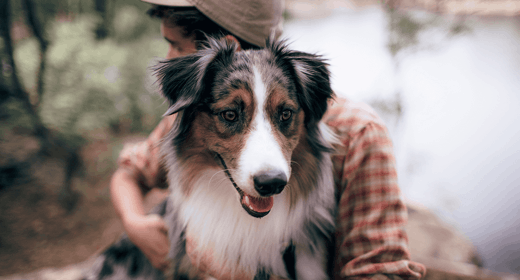
Most humans recognise a hug as a sign of affection and close friendship. That is exactly why we feel this strong urge to hug dogs out of love. After all, they are the best type of best friends. As pet parents, we love greeting our pawsome pals with dog hugs. However, do dogs like hugs? In an IAMS™ survey*, 83% of dog parents say their dog likes hugs too. Is this true? We’re going to try and get an answer to this question.
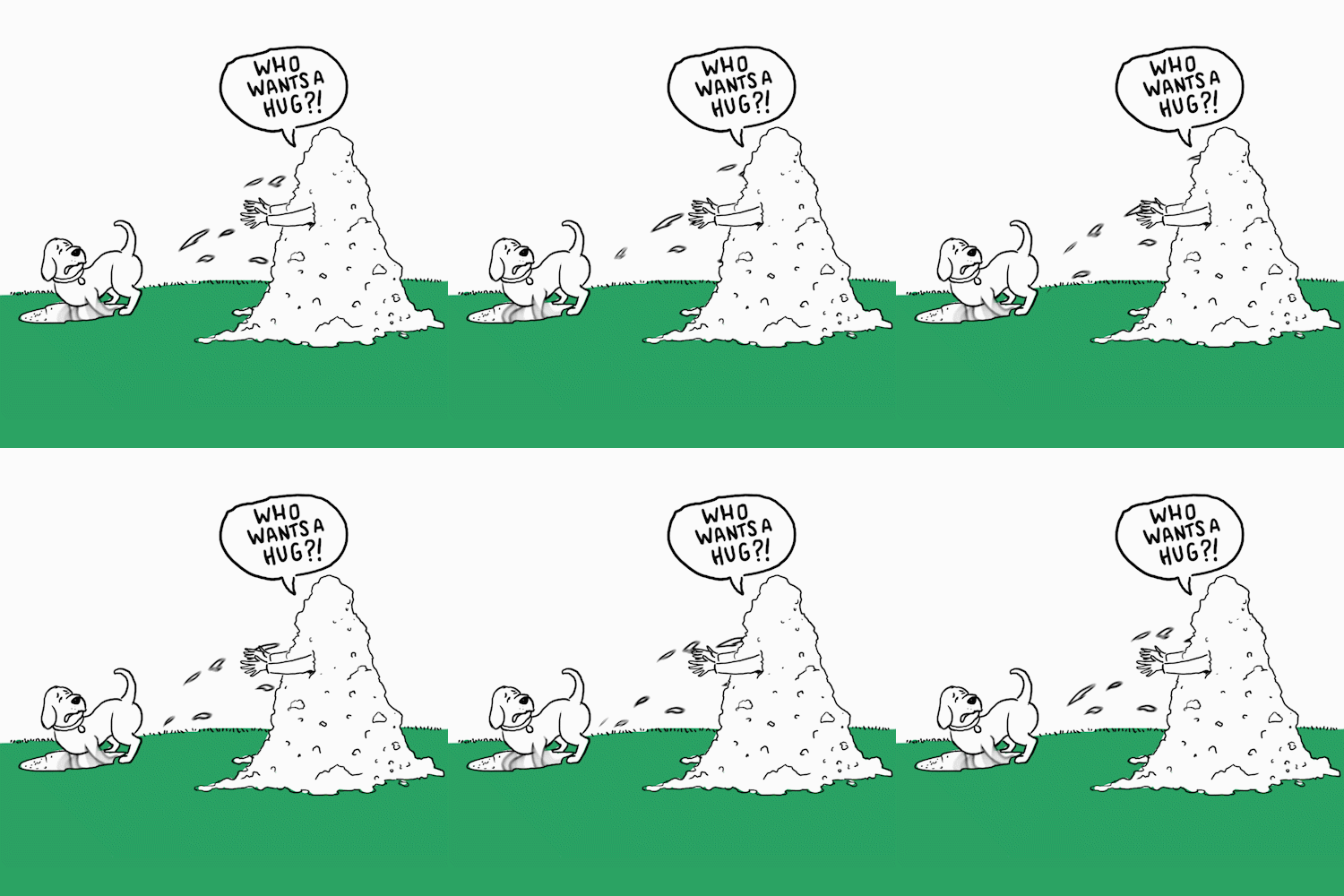
The short answer is no. Dogs do not like hugs. Now, let’s look at a bit of an explanation to this.
Some dogs enjoy canine cuddles, but usually only with their owner or household members. Otherwise, they don’t care about it. “Hugging is too much and overwhelming for many dogs and should be discouraged if the dog doesn’t know the individual very well”, advises James Serpell, B.Sc., Ph.D., Professor of Humane Ethics & Animal Welfare at the University of Pennsylvania School of Veterinary Medicine.
So, why don’t dogs like hugs? To understand this, we may need to look at what a dog really feels when you try to hug it.
Here is what your pooch probably experiences when you try to engulf it in an embrace:
Hugging is human behaviour and not dog behaviour. These animals are just not physically built for that kind of interaction. We stand upright, so we face people. Dogs are on all fours, making hugging an unnatural act for them. Hence, they prefer a friendly sniff.
To dogs, a hug comes off as dominating behaviour; it feels like someone is trying to assert control over them. It can be stressful, especially if done by a stranger.
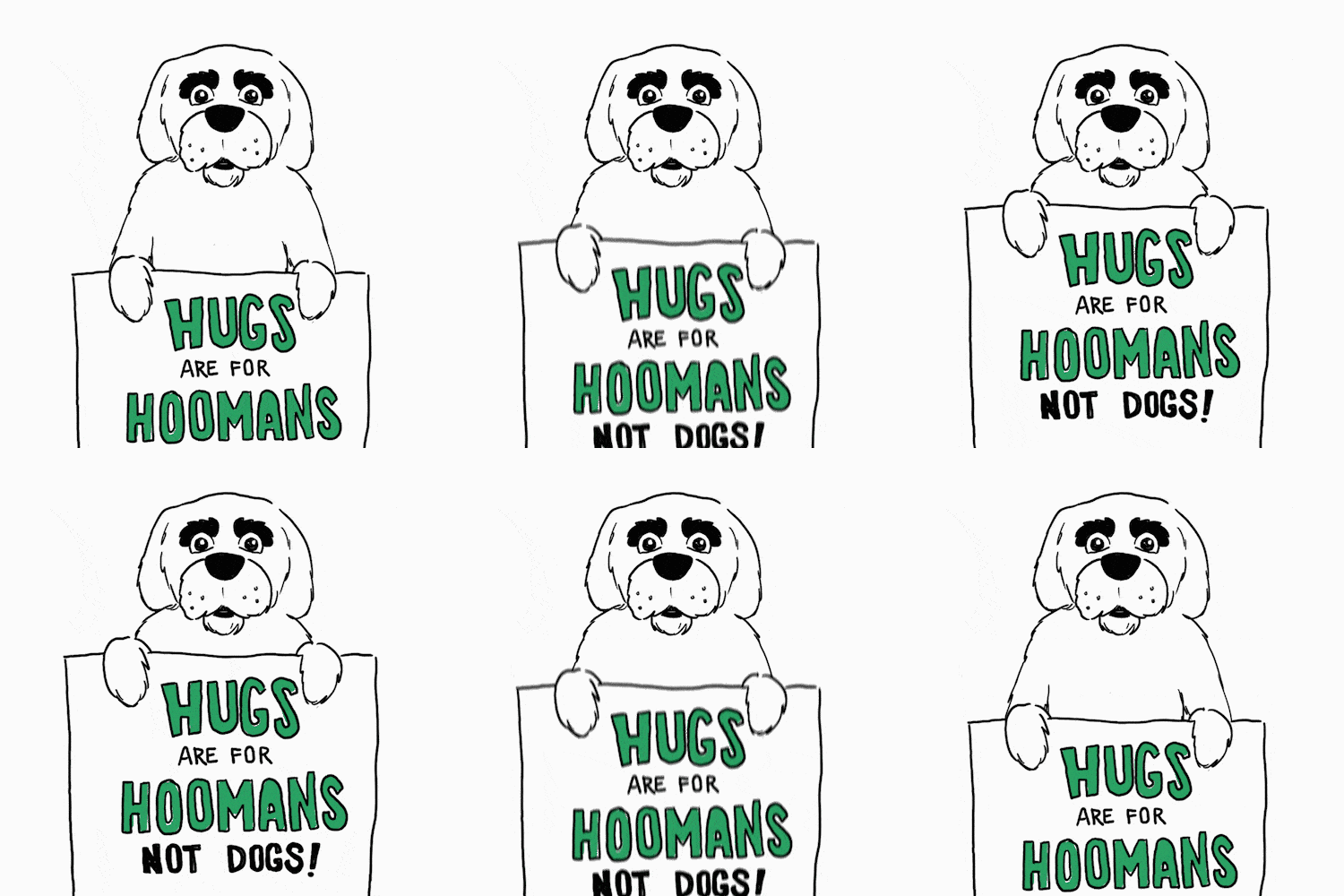
Since ancient times, a canine’s first instinctive defense has been to run away from danger. And hugging makes them feel trapped and confined. As humans, we too feel awkward when a person we barely know gives us a long and tight hug, right? Dogs somewhat feel the same. To some extent, they would also want to escape.
Sniffing is a dog’s way of expressing love. However, we humans definitely don’t regard sniffing the same way. And no matter how much we love our canine companion, we do feel a little uncomfortable with this gesture. Similarly, your pet might find hugs discomforting. Don’t worry. A dog’s body language will give you all the signs you need to know about their comfort level. But in order to understand these signs, you must learn to read them. So, let us understand some signs that indicate your dog is uneasy.
Dogs try to avoid anything that stresses them out. So, if your dog looks away when you enfold them in your arms, they don't like hugs. Your furry friend might also open their eyes wide while looking away and this allows you to notice their whale eyes. Whale eyes are when you see the whites of a dog’s eyes. Now, that is another indication of stress and discomfort.
Dogs are generally flexible when relaxed. If your dog gets stiff when you wrap your hands around them, you should probably set them free. Your dog might also lower or tuck their tail under the belly out of stress. Moreover, you must also pay attention to your pet’s ears. Lowered ears are a sign of a stressed dog.
It’s no news that we yawn when exhausted. However, if your pooch yawns during dog hugs, they are getting stressed out. It is their way of conveying that they don’t like something.
Every dog is unique. While most of them feel uncomfortable with hugs, some might like being embraced. Here’s how you can confirm if your furball doesn’t feel suffocated when you hug them:
Tail wagging can mean several things. However, you know your dog is happy when they give you a full-body tail wag. Slow, relaxed wags mean that your dog feels composed and at ease.
Placing the paws on the hugger signifies that your dog welcomes this form of attention. A dog’s paws can do more than just walk and dig holes. It is one of the most effective modes of communication for them.
Don’t worry if your dog doesn’t want to hug it out. There are plenty of healthier ways you can show them you are still their best friend:
If you're looking for the perfect dog for you, try our Dog Breed Selector today and enjoy a lifetime of tail-wagging joy.