Enter a keyword below to search for articles and products.
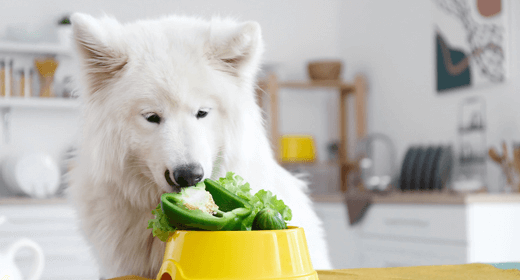
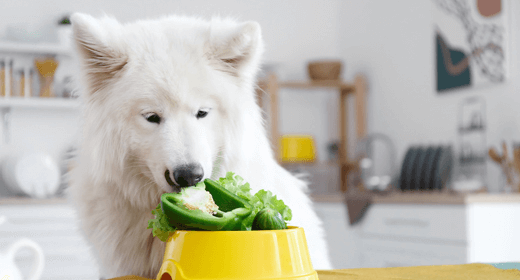
Your pooch’s diet defines its overall health and well-being. What it eats contributes to the amount of energy it has throughout the day. As a caregiver, it becomes your responsibility to provide the correct amount of nutrition and nourishment to your fur baby. Understanding the various components of your pet’s diet helps in providing them with the right nourishment.
Although everyone knows dogs need protein, carbohydrates, fat, vitamins, and minerals; did you know your canine friend also requires fibre in their diet? Even though fibre is not completely digestible it is an essential part of your pooch’s diet. High-fibre dog food aids in better digestion and bowel movement. Soluble fibre for dogs helps them in absorbing water. This type of fibre then gets fermented in their intestines to release fatty acids for better gut health. Other than soluble fibre, dogs also require insoluble fibre for better water absorption and digestion.
Fibre in dog food helps the dogs digest their food better. Proper digestion equates to better bowel movement and good gut and gastrointestinal health. Your canine friend’s food should contain at least 2-4% fibre to assist their gut health’s growth and development. Besides, fibre for dogs acts as an absorbing substance that collects excess water and acids. Given below are a few other benefits of fibre for dogs.
Apart from absorbing extra water and acid, the insoluble fibre also helps in cleaning your pet’s gut tract. This makes their bowel movement better. Consuming the right amount of fibre also helps maintain your dog’s anal gland issues. Smaller breeds of dogs are more likely to suffer from these issues. The fibre in dog food makes it easier for stool to pass smoothly without any added effort. Hence, reducing the chances of your pet developing gastrointestinal and anal gland illnesses.
Many breeds of dogs are meant for outdoor life; the lack of proper activity may lead to obesity in such breeds. Pet caregivers often worry about their fur baby being overweight because of the countless hours spent indoors with little to no activity. In such cases, high-fibre dog food is suggested alongside regular walks and playtime to manage the pooch’s weight. The fibre allows your fur baby to digest more food and aid in controlling its calorie intake.
Some types of fibre are slow to digest. This helps in maintaining blood sugar levels in dogs. Slow digestion of fibre stops sudden rise in blood sugar levels. Dogs that consume high-fibre dog food often have lower blood-sugar fluctuations and hence have lesser chances of suffering from diabetes.
At IAMS™, we understand the importance of fibre in a dog’s diet. Hence, our range of dog food not only has proteins, vitamins, and minerals but also fibre. With beet pulp being a consistent ingredient in our dog foods, we make sure that your pooch has a hale and hearty gut. This fibre-rich ingredient provides bulk to move waste. Moreover, it ensures that your dog absorbs all the nutrients present in its meal.
On average dogs need only 2-4% fibre in their daily diet. Anything beyond this measure can be considered excessive fibre consumption for dogs. While fibre is needed for better gut and gastrointestinal health, too much fibre for dogs can be a topic of concern. Given below are a few issues that may occur because of excessive fibre consumption.
Fibre is not completely digestible. Hence, even though limited consumption of fibre helps in eliminating gut-related problems, too much fibre can lead to gastrointestinal problems and increase gas and acidity issues.
While soluble fibre manages water content in the body, insoluble fibre can lead to digestive issues when consumed in excess. Frequent urge to pass stool and diarrhea are some known side effects of consuming too much fibre.
Even if is fibre bad for dogs is a common query, the conclusion is fibre is needed for better digestion and gut health of your pooch. However, excess fibre consumption can lead to certain stomach and gut-related issues, while eating little to no fibre is also not a good choice. Avoiding fibre altogether can lead to the anal gland diseases and gut illness. Hence, as a pet parent, you must ensure your canine friend is provided with the right amount of fibre in their daily diet. Besides fibre dogs also need adequate amounts of protein, carbohydrates, and fat in their diet for consistent growth and development.
Yes, dogs need some amount of fibre in their diet to digest their food and absorb excess water.
On average dogs need to consume at least 2-4% fibre per meal. While their daily fibre consumption should not be anything more than 10%.
As fibre is not completely digestible, consuming too much fibre can lead to diarrhea and gas issues in dogs.
Yes, fibre consumption can increase your pet’s urge to poop or make them poop more as fibre helps in removing excess water, acid, and other undigested components from your pet’s body.
Giving your dog the right nutrients and a complete, balanced diet does not have to be a head-scratcher. All you need to know is what can a dog eat, how much to feed your dog or puppy, how to feed dogs, how many times to feed a dog, how to handle treats and supplements, etc. And this article tries to answer commonly asked questions on dog feeding.
When deciding which dog food is right for your pet, consider these three factors:
Puppies should be fed three times a day from weaning (3 to 6 weeks) to 4 months of age. After 4 months, they should be fed twice a day. Most dogs should continue to be fed twice a day throughout their life, although some pets do well with one feeding.
The answer to this question depends on your dog’s age, size, and activity level. Feeding guidelines, which list the daily-recommended portion, are included on all IAMS™ packages. Start feeding your dog with this amount and adjust according to its needs. Remember to divide the portion accordingly if you feed more than once a day.
The amount of food you need to feed your puppy depends on 3 main factors — breed, weight, and age. However, you can look at this puppy feeding table that we recommend for puppies:
Puppy | Adult target weight (kg) | Recommended daily feeding (g/day) | ||||
| <3 months | 3-6 months | 6-9 months | 9-12 months | 12-18 months | ||
Toy breed | 1-3 | 15-72 | 32-83 | 37-83 |
| |
| 3-5 | 33-106 | 72-121 | 83-121 | |||
Small breed | 5-8 | 48-151 | 106-172 | 111-172 | 111-170 | Transition to IAMS™ Proactive Health™ Adult Dog Food |
| 8-10 | 69-178 | 151-204 | 170-204 | 170-201 | ||
Medium breed | 10-20 | 82-299 | 178-343 | 201-343 | 201-339 | |
| 20-25 | 137-346 | 299-404 | 339-404 | 339-404 | ||
Large breed | 25-40 | 136-492 | 346-575 | 404-575 | 396-575 | 396-563 |
| 40-50 | 191-509 | 493-675 | 575-681 | 563-681 | 553-676 |
This diet contains 390 kilocalories of metabolizable energy (ME) per 100 gms. Remember to have clean, fresh water available for your dog always.
You should not change your puppy’s food to adult abruptly. Giving your pet time to acclimatise to the new taste of adult food is very important. Also, if you suddenly switch your pup’s food, it can cause digestive problems. Go through this schedule that will help you understand how much to feed your dog and transition your dog’s diet from puppy food to adult food:
If you are wondering how much to feed your puppy by weight and age, check out the weight and age-wise breakdown on when to transition your puppy’s diet to adult food:
Weight range | Age to begin transition |
Small breeds that weigh < 9.07 kgs | 9 and 12 months of age |
Medium breeds that weigh between 9.07 and 22.6 kgs | 12 to 14months of age |
Large breeds that weigh more than 22.6 kgs | 12 to 24 months of age |
While transitioning from adult dog food to senior dog food, it is important to factor in your dog’s weight. Look at this weight table to know when to transition your dog’s food from adult to senior:
Weight range | Age to begin transition |
More than 40.8 kgs | 5 years |
23.1 to 40.8 kgs | 6 years |
9.5 to 23.1 kgs | 7 years |
Up to 9.07 kgs | 7 years |
When changing your dog’s food diet, it’s important to slowly introduce new food. Start by offering your dog’s daily portion in a ratio of 25% new food to 75% current food. During the next three days, gradually increase the amount of new food and decrease the amount of the old food.
If your dog has gained unhealthy weight, make sure to cut down on fats along with increasing regular exercise. We recommend you browse through IAMS™ products and choose dog foods that are low on fat. How much food to feed your dog if they are overweight, is another major concern. You can consult your vet to understand the right amount of food your furry friend needs for each meal.
It’s important to understand that your dog’s nutritional needs change during pregnancy and ensure you feed her nutrition-rich food. For pregnant dogs, we recommend IAMS™ Puppy food as it’s full of proteins that can help your pregnant dog during the gestation period and improve the quality of milk to nourish her puppies post-delivery.
Wet food is an excellent treat that can be fed alone or mixed with dry food. Although IAMS wet dog foods are nutritionally complete and balanced, it is not necessary to offer wet food at every feeding. Our dry foods are formulated with high-quality protein sources such as chicken and contain all the essential nutrients pets need. The crunchy texture of dry food also promotes healthy teeth and gums, and aids in overall good oral hygiene. In addition, some of our dry dog foods contain a dental enhancement to help block tartar buildup on teeth during and after meals.
No. Unlike humans, dogs have fewer taste receptors. Hence, they won’t feel the urge to eat something different every day. In fact, if you find something that suits your dog’s overall health and preferences, stick to that food.
Soaking dry food will ease up the initial job of the digestive enzymes. While water will not change its nutritional value, the food should be eaten relatively soon. Moreover, ensure that the leftover portion is discarded to avoid spoilage. We recommend providing your dog with IAMS™ dry food because it is beneficial to your dog’s dental health as well.
No. Cats and dogs have different nutritional requirements. Moreover, cat foods are made with higher fat levels, which can be harmful to a dog. While it is okay for dogs and cats to sniff and lick some food from each other’s bowl, you shouldn’t let dogs eat cat food.
We recommend feeding your dog approximately two to four small biscuits per cup of food. Keep in mind that when you add biscuits to your dog’s daily diet, this increases its daily calorie intake, so you should reduce the amount of food you feed. Check the calorie content of the biscuit since biscuits vary in size and formulation.
Since IAMS™ dog foods are nutritionally complete and balanced, adding more vitamins, minerals or oils can disrupt the balance our dog food provides. The reason why you provide your dog with a high-quality product is that it has been developed to offer nourishment in proper ratios and ensure optimal nutrition. Hence, nothing needs to be added.
Protein is one of the essential elements that should be a part of your dog’s diet. Including protein in your dog’s diet will strengthen its muscles, ligaments, and cartilages. A protein-rich food also brings about a healthy shine to your dog’s coat!
It is important to maintain a feeding schedule for dogs so that they are conditioned to expect food at that time and avoid irregular snacking in between.
You should never feed your dog home-baked goods, candy, gum, chocolate, limes, onion, and grapes. They can harm your dog’s digestive tract and cause infections as well.
IAMS™ dog food is full of key nutrients that your dog needs for its healthy growth. The basic ingredients in our food include chicken, fish oil, beet pulp, wholesome grains, and natural prebiotic.
Follow our blogs to know more about pet nutrition and dog food diet. Feel free to contact us here in case of any queries.