Enter a keyword below to search for articles and products.
Your pooch’s diet defines its overall health and well-being. What it eats contributes to the amount of energy it has throughout the day. As a caregiver, it becomes your responsibility to provide the correct amount of nutrition and nourishment to your fur baby. Understanding the various components of your pet’s diet helps in providing them with the right nourishment.
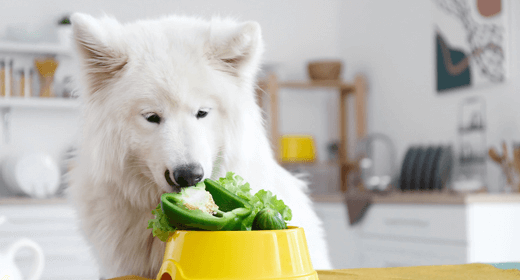
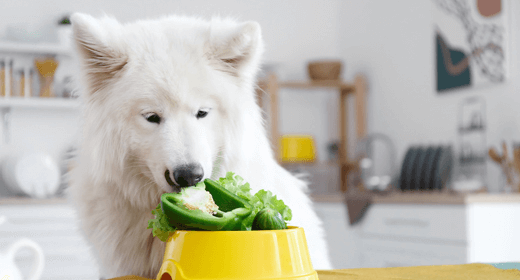
Although everyone knows dogs need protein, carbohydrates, fat, vitamins, and minerals; did you know your canine friend also requires fibre in their diet? Even though fibre is not completely digestible it is an essential part of your pooch’s diet. High-fibre dog food aids in better digestion and bowel movement. Soluble fibre for dogs helps them in absorbing water. This type of fibre then gets fermented in their intestines to release fatty acids for better gut health. Other than soluble fibre, dogs also require insoluble fibre for better water absorption and digestion.
Fibre in dog food helps the dogs digest their food better. Proper digestion equates to better bowel movement and good gut and gastrointestinal health. Your canine friend’s food should contain at least 2-4% fibre to assist their gut health’s growth and development. Besides, fibre for dogs acts as an absorbing substance that collects excess water and acids. Given below are a few other benefits of fibre for dogs.
Apart from absorbing extra water and acid, the insoluble fibre also helps in cleaning your pet’s gut tract. This makes their bowel movement better. Consuming the right amount of fibre also helps maintain your dog’s anal gland issues. Smaller breeds of dogs are more likely to suffer from these issues. The fibre in dog food makes it easier for stool to pass smoothly without any added effort. Hence, reducing the chances of your pet developing gastrointestinal and anal gland illnesses.
Many breeds of dogs are meant for outdoor life; the lack of proper activity may lead to obesity in such breeds. Pet caregivers often worry about their fur baby being overweight because of the countless hours spent indoors with little to no activity. In such cases, high-fibre dog food is suggested alongside regular walks and playtime to manage the pooch’s weight. The fibre allows your fur baby to digest more food and aid in controlling its calorie intake.
Some types of fibre are slow to digest. This helps in maintaining blood sugar levels in dogs. Slow digestion of fibre stops sudden rise in blood sugar levels. Dogs that consume high-fibre dog food often have lower blood-sugar fluctuations and hence have lesser chances of suffering from diabetes.
At IAMS™, we understand the importance of fibre in a dog’s diet. Hence, our range of dog food not only has proteins, vitamins, and minerals but also fibre. With beet pulp being a consistent ingredient in our dog foods, we make sure that your pooch has a hale and hearty gut. This fibre-rich ingredient provides bulk to move waste. Moreover, it ensures that your dog absorbs all the nutrients present in its meal.
On average dogs need only 2-4% fibre in their daily diet. Anything beyond this measure can be considered excessive fibre consumption for dogs. While fibre is needed for better gut and gastrointestinal health, too much fibre for dogs can be a topic of concern. Given below are a few issues that may occur because of excessive fibre consumption.
Fibre is not completely digestible. Hence, even though limited consumption of fibre helps in eliminating gut-related problems, too much fibre can lead to gastrointestinal problems and increase gas and acidity issues.
While soluble fibre manages water content in the body, insoluble fibre can lead to digestive issues when consumed in excess. Frequent urge to pass stool and diarrhea are some known side effects of consuming too much fibre.
Even if is fibre bad for dogs is a common query, the conclusion is fibre is needed for better digestion and gut health of your pooch. However, excess fibre consumption can lead to certain stomach and gut-related issues, while eating little to no fibre is also not a good choice. Avoiding fibre altogether can lead to the anal gland diseases and gut illness. Hence, as a pet parent, you must ensure your canine friend is provided with the right amount of fibre in their daily diet. Besides fibre dogs also need adequate amounts of protein, carbohydrates, and fat in their diet for consistent growth and development.
Yes, dogs need some amount of fibre in their diet to digest their food and absorb excess water.
On average dogs need to consume at least 2-4% fibre per meal. While their daily fibre consumption should not be anything more than 10%.
As fibre is not completely digestible, consuming too much fibre can lead to diarrhea and gas issues in dogs.
Yes, fibre consumption can increase your pet’s urge to poop or make them poop more as fibre helps in removing excess water, acid, and other undigested components from your pet’s body.
Dogs are goofy and cute animals that do the strangest things at times. We have all noticed puppies and dogs roll in the mud, lick their paws, or even sniff other dogs. Yet, the most disturbing sight is to witness a dog eating poop. Yes, dogs often try to eat their own poop, and at times another animal’s poop as well. This strange habit of dogs can be very worrisome to its caregivers, but why do dogs eat poop? Is there a valid reason for dogs to eat poop? Also, what happens if dogs eat poop? Well, there are numerous reasons to why dogs eat poop. Read the following to know more about this condition and why it occurs.
Coprophagia is a medical issue that conditions dogs to eat poop. It is a common condition and is believed to affect at least one in six dogs at a serious level, while at least one in four dogs have been caught trying to eat poop. This condition often occurs because of a decrease in the absorption of essential nutrients. Limited nutrients cause gastrointestinal issues which sometimes lead to coprophagia. A dog suffering from coprophagia finds their own as well as other animal’s stool appealing and appetising. If you have noticed your dog eating poop or sniffing poop, then you should try to understand the reason for it before the condition exceeds.
Although coprophagia can cause dogs to eat poop, what causes this condition? Why do dogs eat their own poop because of coprophagia? Read the following to understand the various hypothesis that may be contributing to your pooch’s poop-eating habit.
Most new and nursing momma pooches are found eating their puppies’ poop. Female furballs often do this to keep their kennel clean after their little one has littered the area. Your pet might eat its puppies’ poop to protect it from predators that might follow the poop’s smell. This condition can easily be controlled by always keeping your fur ball’s bed and kennel clean. You can install a puppy pee pad that can be regularly changed and cleaned to ensure the newborns are in sanitary conditions. Keeping the mother dog and puppies in a clean and tidy environment can immediately stop their willingness to eat poop.
Poop is basically digested food. Therefore, one of the reasons for your dog to eat poop could be they simply find other animals’ stool more appetising. If you notice your pooch trying to eat certain animal poops such as rabbits, cats, cows, etc. then they might like the taste of digested plants. In such cases, you can always consult their vet and get a preferred dog food prescription that might help in curbing your pet’s cravings.
One of the reasons your dog prefers eating poop could also be linked to anxiety. Dogs often get anxious because of new surroundings, unfamiliar sounds, and other similar reasons. Anxiety can lead to dogs getting involved in displacement behaviour such as eating poop. At such times pet parents should try to identify the cause of anxiety and resolve the issue to control coprophagia.
Sometimes dogs might feast on a stool to make up for the nutrition they are lacking. Feeding your pet, a nutrition deficit diet can lead them to eat poop. Indigestion, underfeeding, lack of vitamins and minerals, and parasites are some other reasons that might cause a lack of nutrition and an increase in the dog's urge for eating poop.
Dogs are also notorious for seeking attention with unusual activities. Your canine friend might do the most absurd thing to get some extra attention. Eating their own poop or others' poop can be one such act. In such situations, you can easily get your pooch to give up the habit by training it and giving it some extra love and attention.
If your dog eats poop there are chances of it suffering from numerous health concerns. Poop is simply waste that might carry harmful pathogens which can cause illness and uneasiness if consumed. Your pet might suffer from gastroenteritis, vomiting, decreased appetite, nausea, intestinal parasites, and diarrhea after consuming poop. Hence, it is necessary to identify the root cause of this habit and treat it at the earliest.
Now that you know the several reasons why dogs eat poop, it is time to understand how to stop your pooch from eating faeces. Given below are a few steps that you can take to control and eventually stop dogs from eating poop.
It is easy to train your dogs to follow a certain command or pattern. Therefore, getting your dog to stop eating poop can also be taught through training. You can simply train them to not eat poop by using a stern and commanding voice each time they try to eat stool. However, ensure to treat them with their favourite treat each time they listen to you. Follow this activity regularly until they stop trying to eat poop. Training a dog can sometimes take weeks, so you need to be patient and consistent while training.
If your pet eats poop to seek attention or out of anxiety, then you can easily get it to stop by giving them some attention. Starting a game of fetch, offering their favourite toy or treat, or simply calling their name are some ways to distract your pooch from consuming stool.
Keep the pooch away from the general toilet area and use a commanding tone every time they try to get needed poop. This will make them stay away from poop to avoid trouble. Making poop less appealing and treating it like a hazard can make your furball eventually stay away from poop. Potty training your dog and clean up soon after they have done the deed also helps in controlling their urge to eat poop.
Although coprophagia seems like a very serious condition, it is a very common condition. As mentioned previously one out of six dogs suffer from this condition, but with a little guidance and training, you can easily get it to stop consuming unpleasant hazardous things like garbage and poop. You should also try changing your dog’s food to more nutritious and nourishing food with high protein content, the right amount of fiber, and other nourishing elements like vitamins and minerals. However, if they continue eating poop, then you should visit a veterinarian doctor to get the condition diagnosed and treated at the earliest.