Enter a keyword below to search for articles and products.
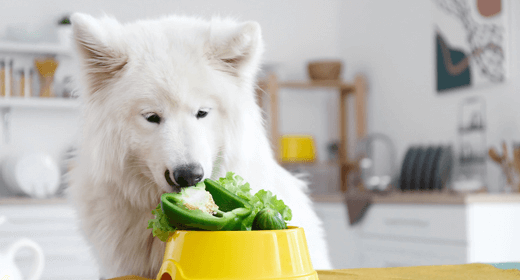
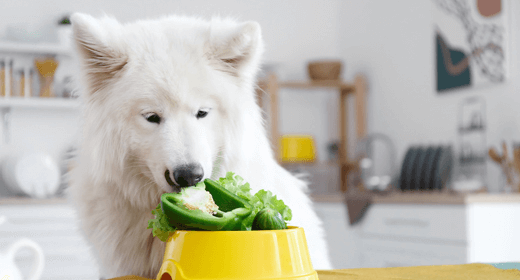
Your pooch’s diet defines its overall health and well-being. What it eats contributes to the amount of energy it has throughout the day. As a caregiver, it becomes your responsibility to provide the correct amount of nutrition and nourishment to your fur baby. Understanding the various components of your pet’s diet helps in providing them with the right nourishment.
Although everyone knows dogs need protein, carbohydrates, fat, vitamins, and minerals; did you know your canine friend also requires fibre in their diet? Even though fibre is not completely digestible it is an essential part of your pooch’s diet. High-fibre dog food aids in better digestion and bowel movement. Soluble fibre for dogs helps them in absorbing water. This type of fibre then gets fermented in their intestines to release fatty acids for better gut health. Other than soluble fibre, dogs also require insoluble fibre for better water absorption and digestion.
Fibre in dog food helps the dogs digest their food better. Proper digestion equates to better bowel movement and good gut and gastrointestinal health. Your canine friend’s food should contain at least 2-4% fibre to assist their gut health’s growth and development. Besides, fibre for dogs acts as an absorbing substance that collects excess water and acids. Given below are a few other benefits of fibre for dogs.
Apart from absorbing extra water and acid, the insoluble fibre also helps in cleaning your pet’s gut tract. This makes their bowel movement better. Consuming the right amount of fibre also helps maintain your dog’s anal gland issues. Smaller breeds of dogs are more likely to suffer from these issues. The fibre in dog food makes it easier for stool to pass smoothly without any added effort. Hence, reducing the chances of your pet developing gastrointestinal and anal gland illnesses.
Many breeds of dogs are meant for outdoor life; the lack of proper activity may lead to obesity in such breeds. Pet caregivers often worry about their fur baby being overweight because of the countless hours spent indoors with little to no activity. In such cases, high-fibre dog food is suggested alongside regular walks and playtime to manage the pooch’s weight. The fibre allows your fur baby to digest more food and aid in controlling its calorie intake.
Some types of fibre are slow to digest. This helps in maintaining blood sugar levels in dogs. Slow digestion of fibre stops sudden rise in blood sugar levels. Dogs that consume high-fibre dog food often have lower blood-sugar fluctuations and hence have lesser chances of suffering from diabetes.
At IAMS™, we understand the importance of fibre in a dog’s diet. Hence, our range of dog food not only has proteins, vitamins, and minerals but also fibre. With beet pulp being a consistent ingredient in our dog foods, we make sure that your pooch has a hale and hearty gut. This fibre-rich ingredient provides bulk to move waste. Moreover, it ensures that your dog absorbs all the nutrients present in its meal.
On average dogs need only 2-4% fibre in their daily diet. Anything beyond this measure can be considered excessive fibre consumption for dogs. While fibre is needed for better gut and gastrointestinal health, too much fibre for dogs can be a topic of concern. Given below are a few issues that may occur because of excessive fibre consumption.
Fibre is not completely digestible. Hence, even though limited consumption of fibre helps in eliminating gut-related problems, too much fibre can lead to gastrointestinal problems and increase gas and acidity issues.
While soluble fibre manages water content in the body, insoluble fibre can lead to digestive issues when consumed in excess. Frequent urge to pass stool and diarrhea are some known side effects of consuming too much fibre.
Even if is fibre bad for dogs is a common query, the conclusion is fibre is needed for better digestion and gut health of your pooch. However, excess fibre consumption can lead to certain stomach and gut-related issues, while eating little to no fibre is also not a good choice. Avoiding fibre altogether can lead to the anal gland diseases and gut illness. Hence, as a pet parent, you must ensure your canine friend is provided with the right amount of fibre in their daily diet. Besides fibre dogs also need adequate amounts of protein, carbohydrates, and fat in their diet for consistent growth and development.
Yes, dogs need some amount of fibre in their diet to digest their food and absorb excess water.
On average dogs need to consume at least 2-4% fibre per meal. While their daily fibre consumption should not be anything more than 10%.
As fibre is not completely digestible, consuming too much fibre can lead to diarrhea and gas issues in dogs.
Yes, fibre consumption can increase your pet’s urge to poop or make them poop more as fibre helps in removing excess water, acid, and other undigested components from your pet’s body.


Dog multivitamins have become an increasingly popular supplement in pet care, designed to support overall canine health and well-being. Just as humans benefit from a balanced diet, dogs also require essential vitamins and minerals to maintain optimal health. These supplements are formulated to fill potential nutritional gaps in a dog's diet, ensuring they receive the necessary nutrients for proper growth, immune function, and energy levels. Multivitamins can be particularly beneficial for dogs with specific dietary restrictions, older dogs, or those recovering from illness. However, it is essential for pet parents to consult with veterinarians to determine the appropriate supplement and dosage for their furry companions.
Vitamins for dogs are essential organic compounds crucial for various physiological functions in both humans and dogs. These micronutrients, including A, B-complex, C, D, and E vitamins, play key roles in immune function, bone health, energy metabolism, and skin maintenance. Multivitamins for dogs consolidate these vital nutrients, providing a comprehensive and balanced nutritional boost to address potential dietary deficiencies.
If you are looking for vitamins for dogs in the Philippines, the IAMS dog supplement range has you covered. Tailored for canine needs, these supplements are particularly beneficial for dogs with specific health conditions, dietary restrictions, or those requiring additional support for overall well-being.
Yes, multivitamins and vitamins for dogs can prove to be very useful, especially in specific life stages or health situations. While quality dog food is designed to meet most nutritional needs, supplements become more valuable for puppies, seniors, pregnant or lactating females, and dogs with health conditions. These stages are the most crucial and are the best time to give multivitamins to dogs.
Caution is crucial, as human vitamins can be harmful to dogs. Consulting a veterinarian is essential to determine if supplementation is necessary, ensuring the right dosage and nutrient balance. Veterinarians assess the dog's health, diet, and medical history to provide tailored recommendations, enhancing well-being without posing risks. Judicious use of vitamins, under veterinary guidance, can benefit certain canine companions.
Integrating dog multivitamins into your furry baby’s diet offers a spectrum of benefits. These supplements contribute to enhanced immune function, promoting resilience against illnesses. Additionally, they support healthy skin and coat, minimising issues like dryness and shedding. For puppies, vitamins aid in proper growth and development, while senior dogs may experience increased vitality and joint support. Multivitamins are particularly valuable for dogs with specific health concerns, such as joint problems or allergies. Overall, vitamins for dogs act as nutritional insurance, ensuring that dogs receive the essential elements vital for their overall health and vitality.
When administered thoughtfully and under veterinary guidance, dog multivitamins can prove to be extremely beneficial. While quality dog food provides essential nutrients, supplementation becomes crucial in addressing specific needs or potential deficiencies. However, it is vital to avoid self-prescribing human vitamins, as certain substances can be toxic to dogs. Professional advice ensures that the supplementation is tailored to the dog's unique requirements, promoting overall well-being without adverse effects. Responsible use of vitamins, guided by a veterinarian, can contribute to a dog's health and vitality.
Ensuring your furry friend receives the right balance of vitamins and minerals is crucial for their overall health. While a well-balanced diet is the foundation of canine nutrition, certain situations may call for certain good vitamins for dogs as additional support. This is where vitamin and mineral supplements come into play. Dog multivitamins are specially formulated to address potential nutrient gaps, supporting everything from immune function to bone health.
In addition to supplements, incorporating nutrient-dense foods into your dog's diet is essential. Some of the best dog vitamin sources are:
Meat: Lean meats like chicken and turkey provide essential proteins, vitamins, and minerals such as B vitamins, iron, and zinc.
Fish: Fatty fish like salmon and mackerel are rich in omega-3 fatty acids, promoting a healthy coat and supporting cardiovascular health.
Vegetables: Dark, leafy greens such as spinach and kale offer vitamins A, C, and K, as well as minerals like calcium and iron.
Fruits: Berries, apples, and bananas are not only tasty treats but also provide vitamins and antioxidants.
Dairy: Plain yoghurt and cheese supply calcium and probiotics, benefiting bone health and digestion.
Balancing your dog's diet with both high-quality dog food and these natural sources can contribute to their overall well-being, reducing the need for excessive reliance on supplements. Always consult with your veterinarian to tailor your dog's nutritional plan based on their specific needs.
Vitamins and minerals are indispensable for a dog's overall health, playing pivotal roles in various physiological processes. These micronutrients act as catalysts for enzymatic reactions, supporting metabolism, growth, and energy production. Calcium and phosphorus, for instance, are crucial for bone health, ensuring proper skeletal development and strength. Iron is essential for oxygen transport in the blood, while zinc promotes skin health and wound healing. These micronutrients collectively contribute to the maintenance of a dog's immune system, vision, and cardiovascular health. Recognising the importance of vitamins and minerals underscores the significance of a well-rounded and nutritionally balanced diet, supplemented as needed, to meet the unique requirements of individual dogs.
The incorporation of vitamins and minerals into a dog's diet through supplements or nutrient-rich foods is a proactive approach to ensuring their overall well-being. While high-quality dog food serves as a foundation, targeted supplementation can address specific needs and contribute to a dog's vitality at different life stages. Consulting with a veterinarian is paramount, as they can provide tailored recommendations based on a dog's health profile. By understanding the benefits and importance of these micronutrients, pet parents can take informed steps to optimise their canine’s nutrition with the best dog multivitamins, supporting a happy, healthy, and thriving life for their furry friends.