Enter a keyword below to search for articles and products.
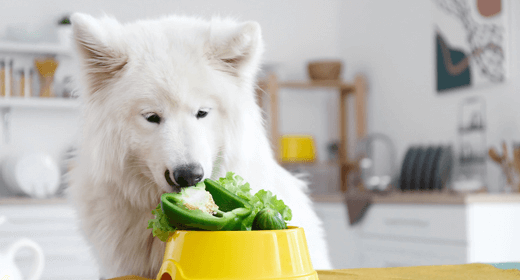
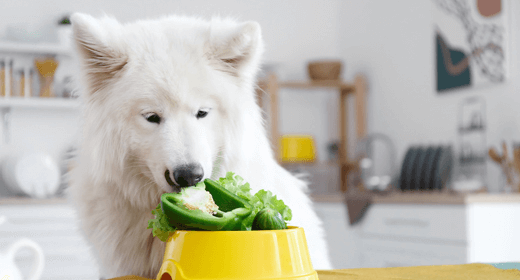
Your pooch’s diet defines its overall health and well-being. What it eats contributes to the amount of energy it has throughout the day. As a caregiver, it becomes your responsibility to provide the correct amount of nutrition and nourishment to your fur baby. Understanding the various components of your pet’s diet helps in providing them with the right nourishment.
Although everyone knows dogs need protein, carbohydrates, fat, vitamins, and minerals; did you know your canine friend also requires fibre in their diet? Even though fibre is not completely digestible it is an essential part of your pooch’s diet. High-fibre dog food aids in better digestion and bowel movement. Soluble fibre for dogs helps them in absorbing water. This type of fibre then gets fermented in their intestines to release fatty acids for better gut health. Other than soluble fibre, dogs also require insoluble fibre for better water absorption and digestion.
Fibre in dog food helps the dogs digest their food better. Proper digestion equates to better bowel movement and good gut and gastrointestinal health. Your canine friend’s food should contain at least 2-4% fibre to assist their gut health’s growth and development. Besides, fibre for dogs acts as an absorbing substance that collects excess water and acids. Given below are a few other benefits of fibre for dogs.
Apart from absorbing extra water and acid, the insoluble fibre also helps in cleaning your pet’s gut tract. This makes their bowel movement better. Consuming the right amount of fibre also helps maintain your dog’s anal gland issues. Smaller breeds of dogs are more likely to suffer from these issues. The fibre in dog food makes it easier for stool to pass smoothly without any added effort. Hence, reducing the chances of your pet developing gastrointestinal and anal gland illnesses.
Many breeds of dogs are meant for outdoor life; the lack of proper activity may lead to obesity in such breeds. Pet caregivers often worry about their fur baby being overweight because of the countless hours spent indoors with little to no activity. In such cases, high-fibre dog food is suggested alongside regular walks and playtime to manage the pooch’s weight. The fibre allows your fur baby to digest more food and aid in controlling its calorie intake.
Some types of fibre are slow to digest. This helps in maintaining blood sugar levels in dogs. Slow digestion of fibre stops sudden rise in blood sugar levels. Dogs that consume high-fibre dog food often have lower blood-sugar fluctuations and hence have lesser chances of suffering from diabetes.
At IAMS™, we understand the importance of fibre in a dog’s diet. Hence, our range of dog food not only has proteins, vitamins, and minerals but also fibre. With beet pulp being a consistent ingredient in our dog foods, we make sure that your pooch has a hale and hearty gut. This fibre-rich ingredient provides bulk to move waste. Moreover, it ensures that your dog absorbs all the nutrients present in its meal.
On average dogs need only 2-4% fibre in their daily diet. Anything beyond this measure can be considered excessive fibre consumption for dogs. While fibre is needed for better gut and gastrointestinal health, too much fibre for dogs can be a topic of concern. Given below are a few issues that may occur because of excessive fibre consumption.
Fibre is not completely digestible. Hence, even though limited consumption of fibre helps in eliminating gut-related problems, too much fibre can lead to gastrointestinal problems and increase gas and acidity issues.
While soluble fibre manages water content in the body, insoluble fibre can lead to digestive issues when consumed in excess. Frequent urge to pass stool and diarrhea are some known side effects of consuming too much fibre.
Even if is fibre bad for dogs is a common query, the conclusion is fibre is needed for better digestion and gut health of your pooch. However, excess fibre consumption can lead to certain stomach and gut-related issues, while eating little to no fibre is also not a good choice. Avoiding fibre altogether can lead to the anal gland diseases and gut illness. Hence, as a pet parent, you must ensure your canine friend is provided with the right amount of fibre in their daily diet. Besides fibre dogs also need adequate amounts of protein, carbohydrates, and fat in their diet for consistent growth and development.
Yes, dogs need some amount of fibre in their diet to digest their food and absorb excess water.
On average dogs need to consume at least 2-4% fibre per meal. While their daily fibre consumption should not be anything more than 10%.
As fibre is not completely digestible, consuming too much fibre can lead to diarrhea and gas issues in dogs.
Yes, fibre consumption can increase your pet’s urge to poop or make them poop more as fibre helps in removing excess water, acid, and other undigested components from your pet’s body.
When visiting the store, dog owners can get overwhelmed by the array of dog food options available, from dry kibble to canned wet food and more. These processed foods may not be appealing to humans, but they contain all the nutrients that dogs need to stay healthy. Like humans, dogs also need a variety of nutrients from their food, not just from meat as their main diet, but also from grains, vegetables, and fruits. This kind of balance is usually weighed by pet food labels in kibbles or wet food in grams for different types of dogs.
For optimum health, dogs need food that is tailored and customized to their life stages, starting from when they are puppies and all the way into adulthood. Puppies have completely different nutrient needs compared to adult dogs as they are still in their early stages of life. They need enough nutrients to fuel a speedy growth, especially after transitioning away from their mother's milk. Puppies require complete and balanced nutrition with protein to help build their tissues, fats or healthy skin, hair, brain, and vision, carbohydrates for energy, vitamins, minerals, and water.
The need for balanced nutrients in puppies starts with the mother during pregnancy, followed by lactation and growth. Sufficient nourishment for the mother is pivotal in enhancing the puppies’ growth inside the womb and preparing them for life after birth. Both mother and puppy should receive well-proportioned antioxidants, DHA, and prebiotics to support their health and growth as provided by the IAMS product line, which contains DHA that is essential for puppies' brain development while also supporting the mother's pregnancy and quality of milk produced.
While puppies need the primary nutrients for growth, adult dog food has a different level of complexity. Adult dog food requires the same make-up of nutrients as puppies do but tailored to their specific needs. Recent research indicates that an adult dog requires at least 10% of its daily calories from protein and at least 5.5% from fat. Adult dogs need quality protein for firm muscles and a healthy immune system. Additionally, an adult diet can contain up to 50% carbohydrates, with fiber ranging from 2.5 to 4.5%. There is no specific prescribed amount of fibre for adult dog consumption daily, however, it is still one of the most important components in dog food to address constipation and support a healthy weight.
Adult dogs in their prime also require a balance in antioxidants to reduce systemic inflammation and restore active muscles. They should receive Vitamin E and C to support their immune system, joint health, and prevent inflammation. As they grow older, they may be exposed to different diseases from diabetes to cancers, which can be prevented by polyphenols. Parents to adult dogs must acknowledge the most suitable food for their loved one that is comprised of the right amount of nutrients and can look to the IAMS line as they are formulated to support healthy bones and joint health, scientifically proven for healthy digestion with a good fibre and prebiotic blend, as well as antioxidants for a strong immune system.
Besides life stage, balanced nutrition should be adjusted to their breed, which give insight to different factors like weight, mouth size, and energy level. This will then determine the type of kibble and food given. Smaller breeds tend to be more active, requiring the same essential nutrients and prebiotics for a healthy body as well as smaller-sized kibble designed specifically for their smaller mouths. As smaller dogs relatively have a high metabolism, higher levels of protein, fat, and essential fatty acids like omega 3 and omega 6 are some of the important nutrients that should be available in their food. On the other hand, larger breeds require foods that are lower in fat and calories, contain slightly lower levels of calcium and phosphorus, and have a specific balance of calcium-to-phosphorus ratio to support stronger bones and muscles. Owners can look to products like the small breed line from IAMS, containing 7 essential nutrients to build strong muscles, support their tiny immune system while protecting their healthy skin and coat, and the product line for adults for large breeds.
Dog parents must acknowledge and understand the unique needs, life stage and characteristics in their dog to choose the right dog food so their furry ones can grow into their healthiest selves. Make sure to visit your vet regularly to check these components as well!