IAMS MY
Why Do Dogs Lick People?

adp_description_block305
Why Do Dogs Lick You? Common Reasons and Indications

  • Share

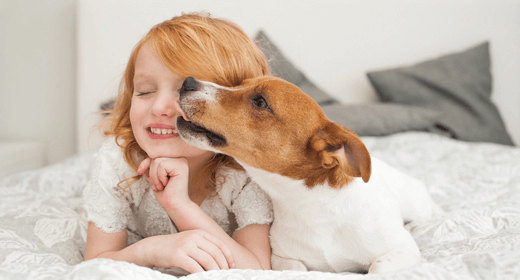
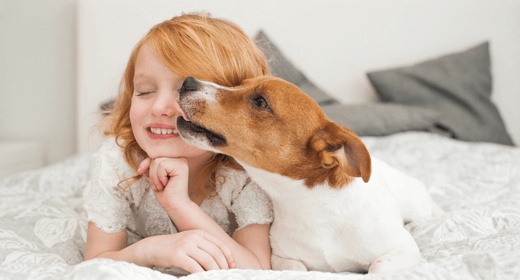
There’s no doubt that dogs are affectionate creatures. And they have numerous ways of showing it. One of these ways is by licking their owners. You may enjoy it when your furry friend comes up and gives you a big ol’ pooch smooch.  But why do dogs lick you? In a poll* of dog owners, IAMS™ found a large majority (75%) believe dogs lick people to offer signs of friendliness. That’s definitely a correct assumption. Let’s dive a bit deeper for a better understanding. 


Licking has been a social behaviour among dogs since the days of the great-great-great granddaddy wolf. 'It’s a standard canine greeting to lick others around the face,” agrees James Serpell, B.S., Ph.D., Professor of Humane Ethics & Animal Welfare at the University of Pennsylvania School of Veterinary Medicine. “Junior members of the pack will run around and lick the mouths of more senior members.” But is that all that there is to dog licking behaviour? Or are there more reasons why dogs lick people? Let’s find out!
 

licking fr dogs


Why do dogs lick people?

Here are a few reasons that can explain why dogs like to lick.  


  • It’s their way of showing affection

For dogs, licking is equivalent to kissing or showing affection. You may have noticed female dogs licking their puppies which is a behaviour that is intended to show affection. And your dog considers you part of their pack, so they show you affection the same way their kind does - by licking.


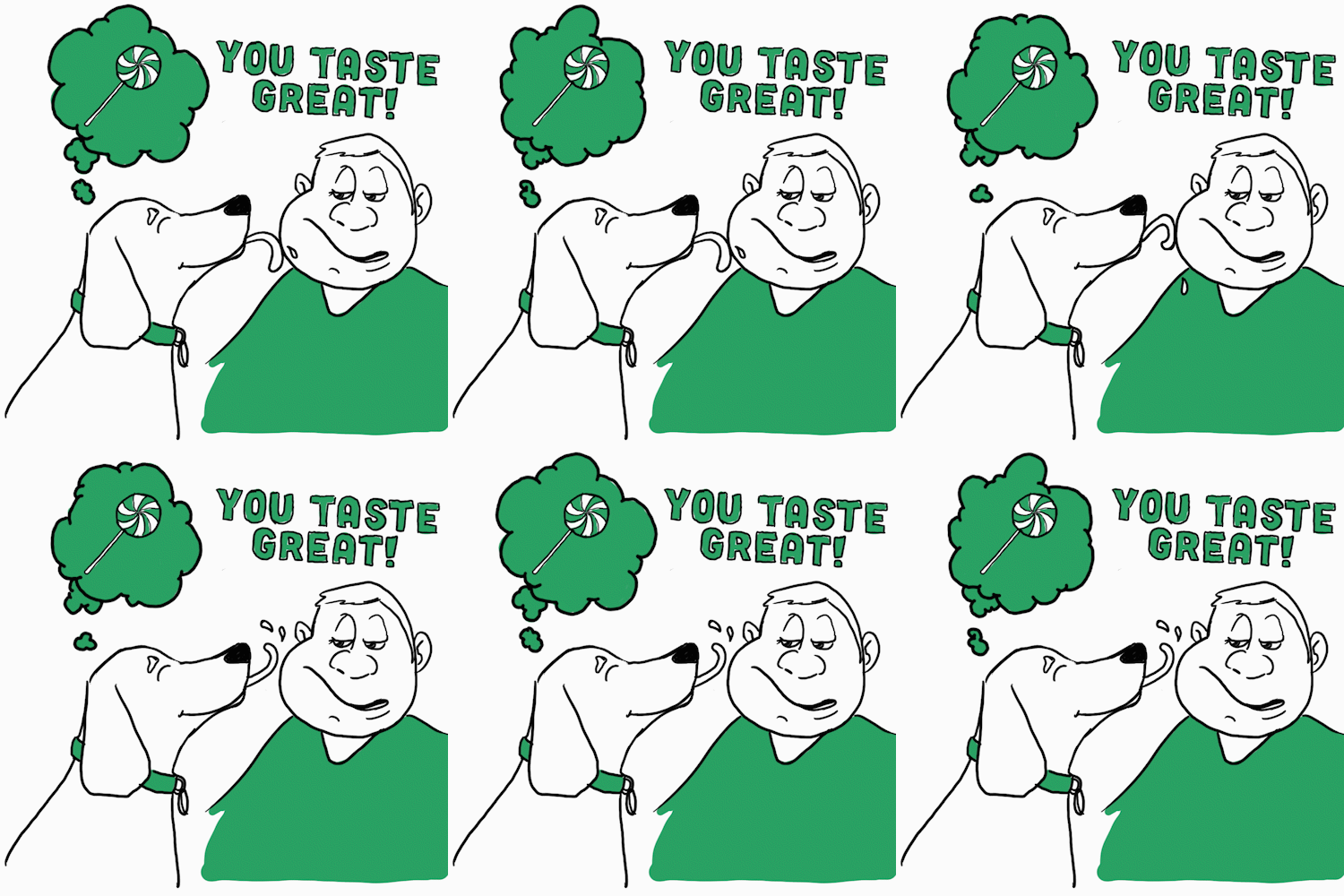
  • You taste great… or at least interesting

Dogs are oral creatures and gather a lot of information about their surroundings through taste and smell. Maybe you’re salty after a sweaty run. Maybe you’ve got barbecue sauce on your face. “Dogs can smell a lot better than we can,” says Dr. Jo Gale, BVetMed CertLAS MRCVS, Senior Manager, Global Science Advocacy at Waltham Petcare Science Institute, “so they find a lot more things interesting to lick than we can.” This is despite the fact that dogs only have about 1,700 taste buds compared to around 9,000 in humans.


  • They want your attention

Have you been too busy with work lately? Or has anything kept you inattentive toward your pooch? If so, it’s probably one of the reasons why your dog is licking you. It is also possible that your dog just got too bored and wants you to play with them, which is why they’re suddenly licking you.


  • They have OCD

That’s true. Much like humans, dogs can also suffer from obsessive-compulsive disorder, which can be concerning. It is often triggered due to stress and anxiety and makes the dogs suddenly begin licking. You will need to visit your vet if you suspect this to be the case. 


licking fr 2 min new


Why is my dog licking my wounds?

Unlike humans, no other animals have knowledge about or access to proper healthcare. So, when they get injured, their first instinct is to lick their wounds. This helps them numb the pain to a certain extent, and also clean the wound. Thus, when your dog sees a wound on you, their natural instincts kick in and they try to help you by licking the wound, thinking it will clean the wound and lower the pain.


In fact, in ancient Greece, dogs at the shrine of Asclepius were trained to lick patients. In the Middle Ages, Saint Roch was said to have been cured of a plague of sores through his dog’s licking. The French even have a saying, “langue de chien, langue de médecin,” which translates to, “a dog’s tongue, a doctor’s tongue.”


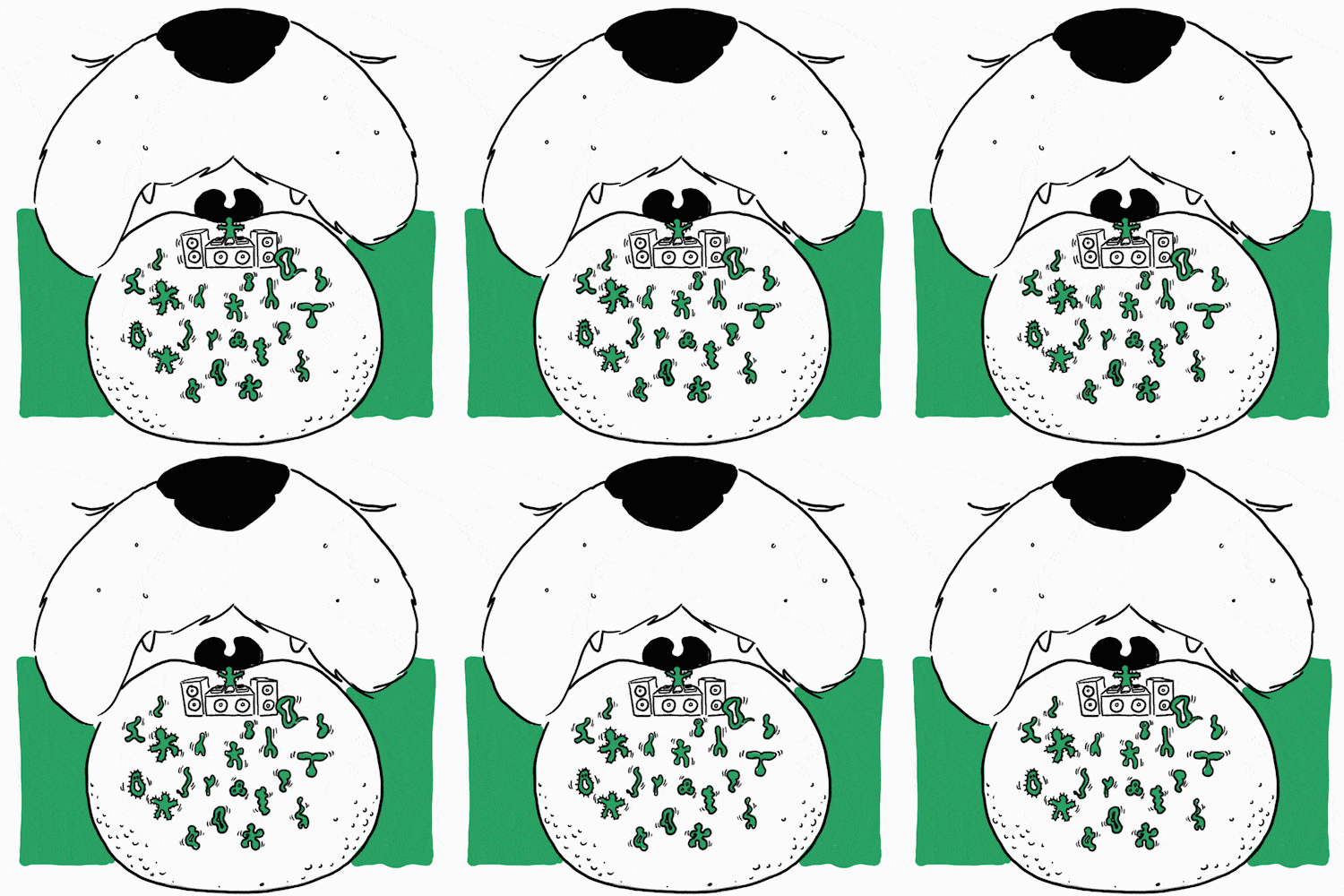
Don’t cancel your health insurance just yet. While a dog’s saliva does have some possible bactericidal properties against some types of bacteria, it can put you at risk of exposure to others. Too much licking can also reopen the wound and cause further infection. With modern medicine, you’re much better off hitting the first-aid kit. And that myth about dogs’ mouths being cleaner than humans’? Not true — both contain over 600 types of bacteria. 


How to handle a dog that licks too much?

While an occasional canine kiss is “aww”-inducing, some dogs can overdo it to the point of annoyance. When this happens, the best thing to do is “completely ignore it and give no attention,” suggests Dr. Jo Gale. “When they stop, provide them with attention.” This acts as a form of positive reinforcement. Over time your dog will learn to scale back on the smooches. Another thing you can try is training them to cut back on the licking. Remember to use positive reinforcement in this case too - reward them with treats or toys when they display good behavior.
 

If you're looking for the perfect dog for you, try our Dog Breed Selector today and enjoy a lifetime of tail-wagging joy.

FAQs on Why Do Dogs Lick You

  1. Does dog licking mean affection?
  2. Yes, but not always. For dogs, licking is also a way to explore and understand the world and the beings around them. Sometimes it can also be an indication of their OCD.


  3. Why is my dog licking me?
  4. Your dog may be licking you because of either of these reasons - to show affection, to seek your attention, because they like how you taste, or because they are feeling stressed or anxious.


  5.  What does it mean when a dog keeps licking?
  6. If a dog keeps licking constantly, it may be because they are feeling anxious or stressed. Sometimes these feelings also trigger OCD in dogs, which can make them lick obsessively. They may also do it when they are bored and want your attention.


  7. Is dog licking a dominant behaviour?
  8. Sometimes, dogs choose to show dominance via licking. They may do this with either other dogs of the pack or with humans. Dog licking may indicate dominance especially when the licks are uninvited, and the dog begins showing dominant behaviour. This can include not obeying commands and acting in a demanding way.


  9. What is a dog telling you when they lick you?
  10. A dog’s licking may indicate several things. They are either showing affection or are just bored and need your attention. They may also lick you if they think you taste good or interesting.


  • Puppy Basics Keeping Your Puppy's Skin and Coat Healthy
    Puppy Basics Keeping Your Puppy's Skin and Coat Healthy
    adp_description_block368
    Puppy Basics: Keeping Your Puppy’s Skin and Coat Healthy

    • Share

    Keeping your puppy’s skin and coat healthy is as easy as 1-2-omega-3. Feeding studies have shown that dogs thrive on high-quality animal proteins from chicken, fish, lamb and eggs.  IAMS™ ProActive Health™ Smart Puppy Original and other IAMS formulas are made with these highly digestible proteins, which promote excellent skin and coat condition and enhance your dog’s overall health and well-being. When your dog’s coat looks good, the rest of his body will likely be well nourished, too.


    Learn more about two important nutrients that can maintain your puppy’s skin and coat health.


    Fatty Acids Keep Your Puppy’s Skin and Coat Healthy

    Fat plays a key role in keeping your puppy’s skin and coat in top condition. Fat not only provides energy, but it’s also a source of essential fatty acids that are necessary for the skin’s healthy structure. Fatty acids in the diet keep the skin moist and supple. They also contribute to a thick, lustrous and healthy coat. The lack of or imbalance of fatty acids can cause dry, scaly skin and brittle hair. A diet with vitamin-rich fish oils is vital to your puppy’s coat health and appearance.
     

    Although there are many kinds of fatty acids, a few are important to coat health and appearance:
     

    • Linoleic acid is an essential omega-6 fatty acid for dogs and is necessary for healthy skin. It is found in beef, pork, chicken and some vegetable oils.
    • Omega-6 fatty acids, including linoleic acid, can be found in the fat or oils provided in ingredients such as chicken and corn in your dog's food.
    • Omega-3 fatty acids are found in cold-water fish oils and in flax. Although not essential to a dog's diet, they have been found to help manage skin and coat conditions and promote a shiny coat.
       

    An appropriate balance of omega-6 and omega-3 fatty acids helps maintain your dog’s healthy skin and coat. An optimal range of omega-6 to omega-3 fatty-acid ratios is between 5:1 and 10:1 to enhance skin and coat quality and help nutritionally manage skin and coat conditions.


    Natural DHA Supports Proper Brain Development

    DHA (docosahexaenoic acid) is a key nutrient found naturally in breast milk and is important for a baby’s neural development. And just like a baby, a puppy’s ability to learn depends on healthy brain development.
     

    At 6 weeks, a puppy's brain mass is approximately 70% developed. At this stage and in the months ahead, feeding your puppy a diet rich in DHA can help support neural development. There are many such benefits of DHA in puppies. Premium puppy foods such as IAMS™ ProActive Health™ Mother and Baby Dog provide DHA in their formulas.

    article puppy basics keeping your puppy skin and coat healthy header
Close modal