IAMS MY
 A Pet Parent’s Guide To The Best Antioxidants For Dogs
 A Pet Parent’s Guide To The Best Antioxidants For Dogs

adp_description_block439
A Pet Parent’s Guide To The Best Antioxidants For Dogs

  • Share

Antioxidants are chemicals that the body uses to combat free radicals. And free radicals are substances that might harm the body if they exceed a certain level. Antioxidants are also beneficial for your pets, especially your dogs. Your dog needs antioxidants to help promote a healthy immune system. Hence, every IAMS™ dog formula contains optimal levels of these nutrients.

Antioxidants are naturally occurring essential nutrients that help maintain your dog’s health by slowing the destructive oxidative process of cellular molecules. IAMS™ research has been focusing on advancing antioxidant nutrients for senior dogs — and the benefit is improved immune function. Discover how the antioxidants in IAMS™ products can benefit your dog’s health in a number of ways.


Benefits of antioxidants for dogs

Antioxidants are found naturally in fruits and vegetables. Common antioxidants include vitamin A, vitamin C, vitamin E, and certain compounds called carotenoids (like lutein and beta-carotene). When antioxidants are a part of a dog’s complete diet, they can provide the following benefits:

  • Slowing the oxidative process of cellular molecules.
  • Reversing immune-cell function in senior dogs.


How antioxidants work

As cells function normally in the body, they produce damaged molecules called free radicals. These free radicals are highly unstable and steal components from other cellular molecules such as fat, protein, or DNA, thereby spreading the damage.


This continues in a chain reaction, and causes cells to die. This process is called peroxidation. Peroxidation is useful because it helps the body destroy cells that have outlived their usefulness, and it kills germs and parasites. However, when left unchecked, peroxidation also destroys or damages healthy cells.


Antioxidants help prevent widespread cellular destruction by willingly donating components to stabilise free radicals. More importantly, antioxidants return to the surface of the cell to stabilise other cellular components.


When there are not enough antioxidants to hold peroxidation in check, free radicals begin damaging healthy cells, which can lead to problems. For example, free radical damage to immune cells can lead to an increased risk of infections.


Antioxidants in IAMS™ adult dog and puppy foods

Antioxidants offer countless benefits to our furry friends. And it is imperative that their food is loaded with it. Want to know why? Read on.


Why do dogs need antioxidants?

Antioxidants are a must for dogs as they are exposed to significantly more toxins than humans. These antioxidants work like protective agents within the dog’s body, battling free radicals that cause symptoms and diseases like skin problems.

Furthermore, giving liver antioxidants for dogs will boost liver health and eliminate toxins from their body more efficiently. The liver will convert fat-soluble toxins into water-soluble toxins to easily flush them from your pet’s body through the GI tract and kidneys.

Recent research has examined the benefits of certain antioxidants on the immune response of dogs, and the results of these studies indicated that antioxidants are important in helping dogs maintain a healthy immune system.

IAMS™ adult and puppy formulas contain optimal levels of antioxidants such as:


Antioxidant

Source

Function

Vitamin E

Plant oil extract and tocopherols

Optimizes immune system’s T-cell activation

Beta-carotene

Vitamin premix, corn meal, chicken by-product meal and chicken fat

Optimizes types of cells present in the blood,
increases antibody levels in the blood


Now that you know how dog food with antioxidants can benefit your dog, here’s a list of the best antioxidants for dogs: 
 

Best antioxidants for dogs

Vitamin C

  • One of the most essential vitamins for a dog's health
  • Aids in wound healing and reducing inflammation
  • Provides energy so your dog can enjoy playing outside all day

Vitamin E

  • One of the best antioxidants for dogs with cancer
  • Provides a natural boost to the immune system
  • Supports healthy blood vessels and protects against diabetes and heart disease

Beta-carotene

  • It is a fantastic dietary addition for your dog.
  • Helps boost the number of antibodies in blood and offers additional protection against diseases in older dogs


Polyphenols

  • Excellent antioxidants for dogs as they help maintain your pet’s health and strength for many years
  • Shields from diseases like cancer or diabetes 


Sources of antioxidants for dogs

You can find natural antioxidants for dogs in the following:


Fruits and vegetables

The antioxidant content of plant-based foods is high. Foods that are highest in antioxidants are fruits and vegetables as they are loaded with vitamins and beneficial in countless ways. Some examples of excellent sources of antioxidants are blueberries, strawberries, pears, red cabbages, and kale. Make sure to check which fruits and vegetables are safe for your dog to consume. 


Supplements

Give your dog the best vitamins you can, so your pooch stays healthy. It is crucial that dogs receive a supplement that is specifically designed for their life stage. 


Look for dog food with antioxidants and nutrients that are bioactive and bioavailable so that these get absorbed properly into your dog’s body. Make sure that the supplement you choose has the ideal ratio of natural elements for your pet’s needs. That can be accomplished by looking for a combination of prebiotics, antioxidants, vitamins, and minerals.


For a healthy body from the inside, you can also feed your pooch IAMSTM Proactive HealthTM dog food. Find the products that are best for your dog by shopping based on your pet’s age.

Frequently asked questions about Best Antioxidants for Dogs

  1. What foods have antioxidants?
  2. Fruits, nuts, berries, and vegetables are common foods that act as good sources of antioxidants. Giving your dog an antioxidant-rich diet will aid in the battle against oxidative stress and reduce the risk of any illnesses.

  3. What foods promote healing in dogs?
  4. Foods such as organ meats, mushrooms, eggs, bone broth, and raw goat milk speed up the healing of cuts, wounds, and other injuries in dogs.

  5. Can too many antioxidants be harmful to dogs?
  6. The benefits of antioxidants for dogs are innumerable; however, it is always advisable to consult your veterinarian on the right dosage of antioxidants for your pet.

  7. What are the 3 main antioxidants for dogs?
  8. Three of the most important antioxidant vitamins are Vitamin E+C, selenium, and beta-carotene.

  9. Do antioxidants help dogs?
  10. Antioxidant-rich foods for dogs help prevent damages due to free radicals. An adequate intake of antioxidants can help boost your dog’s immunity.
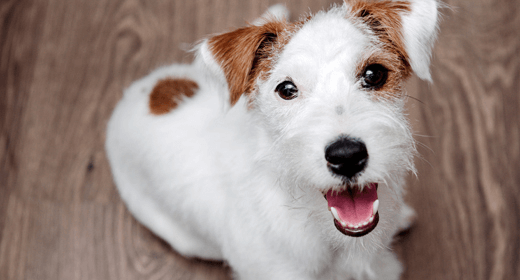
article understanding antioxidants in article dog food header
  • Is Your Puppy Ready for Adult Dog Food?
    Is Your Puppy Ready for Adult Dog Food?mob
    adp_description_block179
    Switching Your Puppy to Adult Dog Food

    • Share

    Picking the right food for your pup is key to ensuring its healthy growth. While both puppy food and adult dog food seem similar, they serve different nutritional purposes tailored to distinct life stages. Understanding this disparity is vital in guaranteeing the overall well-being of your beloved companion. 


    Feed puppy food until maturity

    Puppies are more than just mini versions of adult dogs. Their nutritional needs are unique and crucial for their growth spurt and cognitive development. Specifically designed with the perfect blend of proteins, fats, vitamins, and minerals, puppy food supports bone and muscle growth. With their endless energy, they need the extra calories that puppy food provides. Plus, the added dose of nutrients like calcium and phosphorus is essential for strong bone development. So, stick to puppy food until your furball hits full physical maturity, ensuring a strong and healthy foundation for their adult life.


    When to switch puppy to adult food

    When a puppy can eat adult dog food isn't a one-size-fits-all deal. It is a gradual process that demands attention to your dog's unique traits. Generally, it is wise to make the switch when your pooch is about 80-90% of its expected adult size. But remember, a sudden change can upset their tummy. 
     

    To ease the shift, start by mixing small portions of adult food with their usual puppy fare. Over a week or two, increase the adult food ratio until your dog is entirely comfortable with the new diet. Don't forget to consult your vet to ensure a smooth transition and a lifelong, balanced diet for your four-legged friend.


    When to switch from puppy to adult dog food for different breeds?

    When figuring out when to transfer to adult dog food, the size of your growing dog plays a crucial role. Given below is a comprehensive guide:

    • Small-sized dogs: Small breeds should transition to adult dog food at around 9 to 12 months of age or when they reach 90% of their expected adult weight.
    • Medium-sized dogs: Medium-sized breeds should switch to adult dog food around 12 months of age when they are close to their full-grown size.
    • Large-sized dogs: Large breeds should transition to adult dog food at approximately 12 to 18 months of age due to their longer growth period.

    At IAMS, we offer a range of adult dog food that are rich in nutrients like protein, vitamins, minerals and more to provide your pooch with a complete and balanced meal. We have specialised recipes for each breed, targeting the specific nutritional needs of small, medium, and large sized dogs.


    Why adult dog food is important

    As your canine companion transitions from the puppy stage to adulthood, providing it with an appropriate diet becomes crucial for its long-term health and well-being. Adult dog food serves as a vital component in ensuring that your dog receives the necessary nutrients to maintain optimal health and vitality. Here are some key reasons why adult dog food is essential for your furry friend's overall wellness:

    • Tailored nutrition: Adult dog food is like a tailored suit, designed specifically for your dog's needs as it matures. Packed with the right blend of proteins, carbs, vitamins, and minerals, it fuels energy, maintains muscle strength, and keeps your dog bound with vitality.
    • Weight watch: Keeping your dog at a healthy weight is vital for their overall well-being. Adult dog food helps manage their calorie intake, ensuring they stay fit and agile. No more worrying about extra pounds leading to joint issues or other health complications.
    • Happy tummies: Adult dog food often includes easily digestible ingredients, making mealtime a treat for your dog’s tummy. Adding dietary fibres keeps digestion smooth sailing for dogs, preventing any unpleasant tummy troubles.
    • Wellness booster: Packed with antioxidants and omega fatty acids, adult dog food boosts dogs’ immune systems and keeps their skin healthy, and their coats shiny. It is like a daily dose of preventive care for a longer and happier life.

    So, as your dog grows, make sure its diet grows as well. With the right adult dog food, tailored to its needs, you are laying the foundation for a life full of tail wags and playful barks.


    How to transition from puppy to adult dog food?

    Transitioning your furry friend from puppy to adult dog food is not just about changing what is in the bowl; it is a gradual adjustment that involves considering evolving nutritional needs, portion sizes, meal frequencies, and more. Here is a structured guide to help you ease your pup into their new diet over a 10-day period:

    1. Day 1-2:

    Start by mixing 75% of the puppy food with 25% of the new adult dog food. This allows your pup to get accustomed to the new flavours and textures while maintaining some familiarity with the old food.

    1. Days 3-4:

    Increase the proportion of adult dog food to 50% while decreasing the puppy food to 50%. This step continues the gradual transition, helping your dog's digestive system adapt to the new food without causing any sudden upsets.

    1. Days 5-7:

    Continue the transition by serving 75% of the new adult dog food mixed with 25% of the remaining puppy food. This step allows their taste buds to fully adjust to the new diet while ensuring a smooth transition without any digestive disturbances.

    1. Days 8-10:

    By this point, your pup should be ready to completely switch to adult dog food. Serve only the new adult dog food, ensuring that the portion size is appropriate for its age, size, and activity level. Maintain the recommended feeding schedule based on specific dietary needs.
     

    Throughout the transition period, closely monitor your dog's eating habits, energy levels, and overall well-being. If you notice any digestive issues or reluctance to eat, slow down the process and give it more time to adjust. Providing plenty of fresh water and sticking to a consistent feeding schedule will help make the transition as smooth as possible for your beloved canine companion.
     

    Remember, a smooth transition from puppy to adult dog food is all about taking it slow and steady. By gradually introducing the new food over a 10-day period, you give your pup's digestive system the time it needs to adjust without causing any discomfort. Keep a close eye on its response throughout the process, and do not hesitate to make adjustments if necessary. With patience and careful monitoring, you can ensure that your loyal companion makes a seamless shift to their new, adult-dog-friendly diet. 

Close modal