Enter a keyword below to search for articles and products.
Antioxidants are chemicals that the body uses to combat free radicals. And free radicals are substances that might harm the body if they exceed a certain level. Antioxidants are also beneficial for your pets, especially your dogs. Your dog needs antioxidants to help promote a healthy immune system. Hence, every IAMS™ dog formula contains optimal levels of these nutrients.
Antioxidants are naturally occurring essential nutrients that help maintain your dog’s health by slowing the destructive oxidative process of cellular molecules. IAMS™ research has been focusing on advancing antioxidant nutrients for senior dogs — and the benefit is improved immune function. Discover how the antioxidants in IAMS™ products can benefit your dog’s health in a number of ways.
Antioxidants are found naturally in fruits and vegetables. Common antioxidants include vitamin A, vitamin C, vitamin E, and certain compounds called carotenoids (like lutein and beta-carotene). When antioxidants are a part of a dog’s complete diet, they can provide the following benefits:
As cells function normally in the body, they produce damaged molecules called free radicals. These free radicals are highly unstable and steal components from other cellular molecules such as fat, protein, or DNA, thereby spreading the damage.
This continues in a chain reaction, and causes cells to die. This process is called peroxidation. Peroxidation is useful because it helps the body destroy cells that have outlived their usefulness, and it kills germs and parasites. However, when left unchecked, peroxidation also destroys or damages healthy cells.
Antioxidants help prevent widespread cellular destruction by willingly donating components to stabilise free radicals. More importantly, antioxidants return to the surface of the cell to stabilise other cellular components.
When there are not enough antioxidants to hold peroxidation in check, free radicals begin damaging healthy cells, which can lead to problems. For example, free radical damage to immune cells can lead to an increased risk of infections.
Antioxidants offer countless benefits to our furry friends. And it is imperative that their food is loaded with it. Want to know why? Read on.
Antioxidants are a must for dogs as they are exposed to significantly more toxins than humans. These antioxidants work like protective agents within the dog’s body, battling free radicals that cause symptoms and diseases like skin problems.
Furthermore, giving liver antioxidants for dogs will boost liver health and eliminate toxins from their body more efficiently. The liver will convert fat-soluble toxins into water-soluble toxins to easily flush them from your pet’s body through the GI tract and kidneys.
Recent research has examined the benefits of certain antioxidants on the immune response of dogs, and the results of these studies indicated that antioxidants are important in helping dogs maintain a healthy immune system.
IAMS™ adult and puppy formulas contain optimal levels of antioxidants such as:
|
|---|
Now that you know how dog food with antioxidants can benefit your dog, here’s a list of the best antioxidants for dogs:
You can find natural antioxidants for dogs in the following:
The antioxidant content of plant-based foods is high. Foods that are highest in antioxidants are fruits and vegetables as they are loaded with vitamins and beneficial in countless ways. Some examples of excellent sources of antioxidants are blueberries, strawberries, pears, red cabbages, and kale. Make sure to check which fruits and vegetables are safe for your dog to consume.
Give your dog the best vitamins you can, so your pooch stays healthy. It is crucial that dogs receive a supplement that is specifically designed for their life stage.
Look for dog food with antioxidants and nutrients that are bioactive and bioavailable so that these get absorbed properly into your dog’s body. Make sure that the supplement you choose has the ideal ratio of natural elements for your pet’s needs. That can be accomplished by looking for a combination of prebiotics, antioxidants, vitamins, and minerals.
For a healthy body from the inside, you can also feed your pooch IAMSTM Proactive HealthTM dog food. Find the products that are best for your dog by shopping based on your pet’s age.
Fruits, nuts, berries, and vegetables are common foods that act as good sources of antioxidants. Giving your dog an antioxidant-rich diet will aid in the battle against oxidative stress and reduce the risk of any illnesses.
Foods such as organ meats, mushrooms, eggs, bone broth, and raw goat milk speed up the healing of cuts, wounds, and other injuries in dogs.
The benefits of antioxidants for dogs are innumerable; however, it is always advisable to consult your veterinarian on the right dosage of antioxidants for your pet.
Three of the most important antioxidant vitamins are Vitamin E+C, selenium, and beta-carotene.
Antioxidant-rich foods for dogs help prevent damages due to free radicals. An adequate intake of antioxidants can help boost your dog’s immunity.
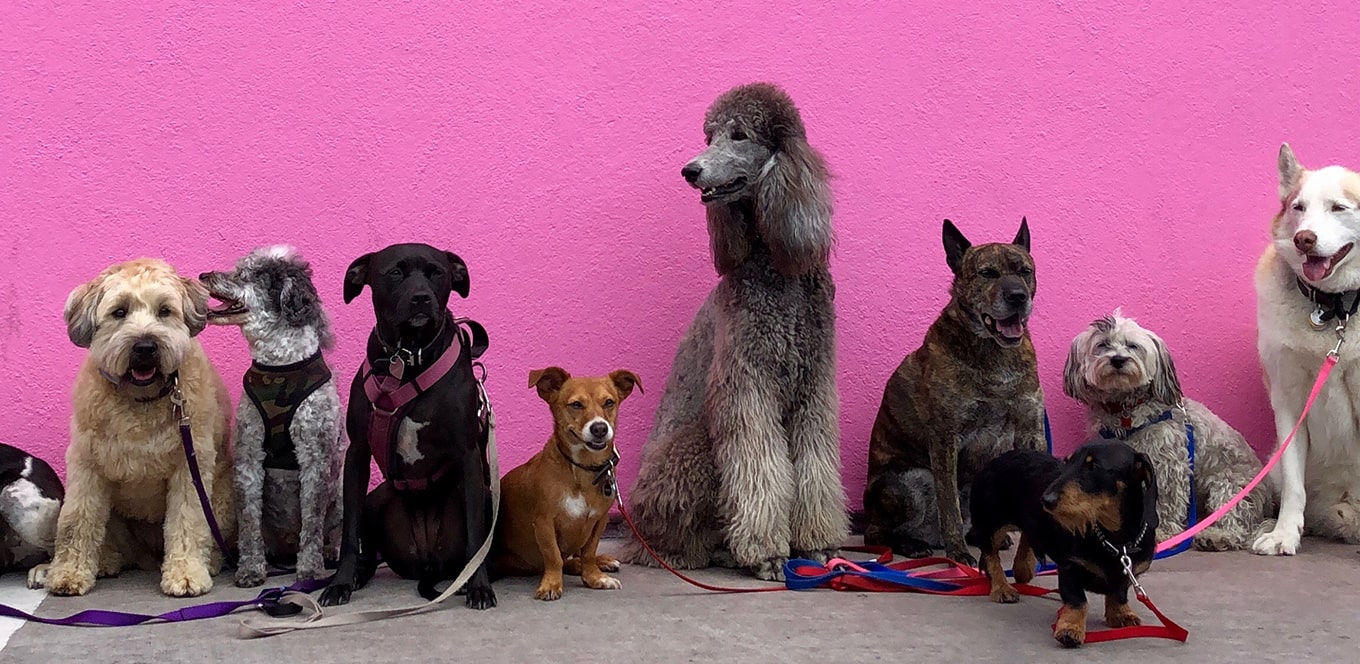


Dogs use a range of sounds to communicate with us and each other. Just as important is the body language they use to tell us how they feel or what they need. How well do you know your pooch’s unspoken cues? Read on to find out.
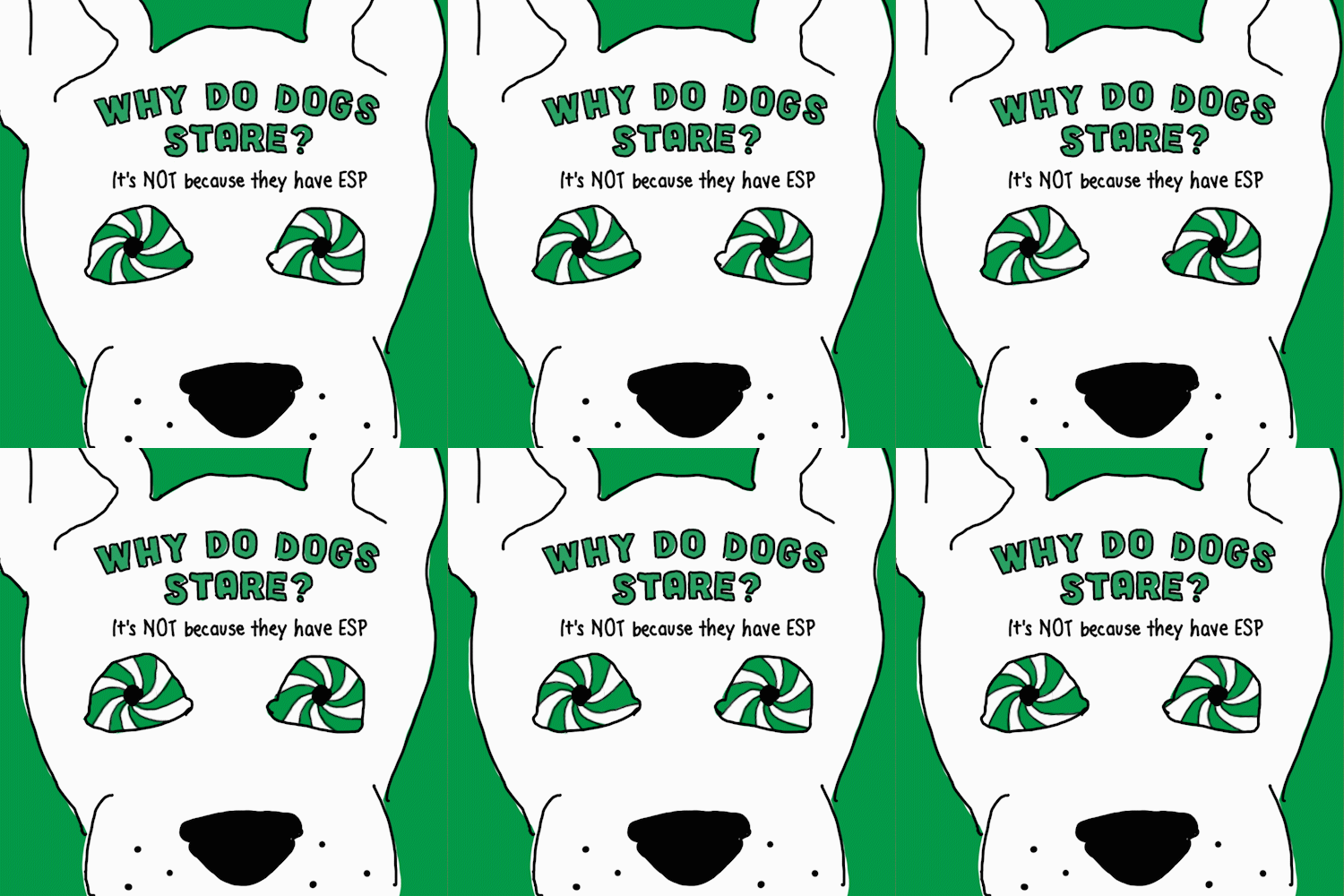
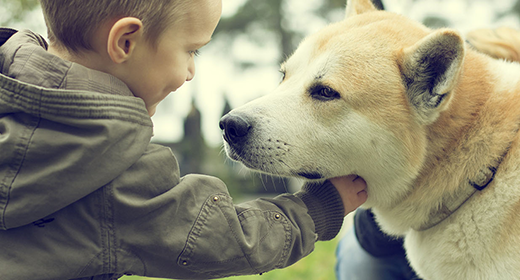
Dogs often stare at their owners because they love them. They want to make sure you’re okay or find clues for what you’ll do next — like making sure you’re not going for a car ride without them.
We love it when dogs do this, too, which has led to this trait being even more prominent.
Opens a new windowDr. James Serpell, BSc, PhD, Professor of Humane Ethics & Animal Welfare at University of Pennsylvania School of Veterinary Medicine, explains: “We've selected dogs for this behavior. Humans love that dogs look up at them in admiration, intense loyalty. One frequent observation researchers have made is that people who handle wild dogs ... they don't look their handlers in the eye like domesticated dogs do.”
Dogs have great hearing. High-frequency sounds that humans can’t hear are especially interesting to them. Head-tilting helps them track down the source. Owners find these head tilts super cute and often reward this behavior, which, of course, makes them do it more.
Dogs yawn when they’re tired, but it’s also a possible sign they’re stressed, impatient or frustrated — like when they’re in the vet’s office, or when you won’t throw that ball you’re holding already!
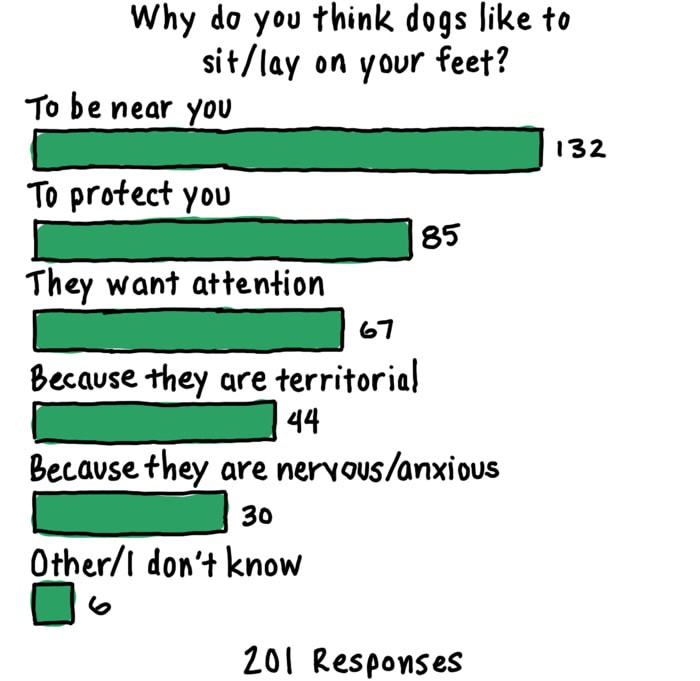
In a recent IAMS poll,* 90% of dog owners said their pet sits or lays on their feet and 100% of dogs said they love their owners. Dogs are very social creatures and this is a way for them to connect and be close to you. Plus, it keeps your feet warm.
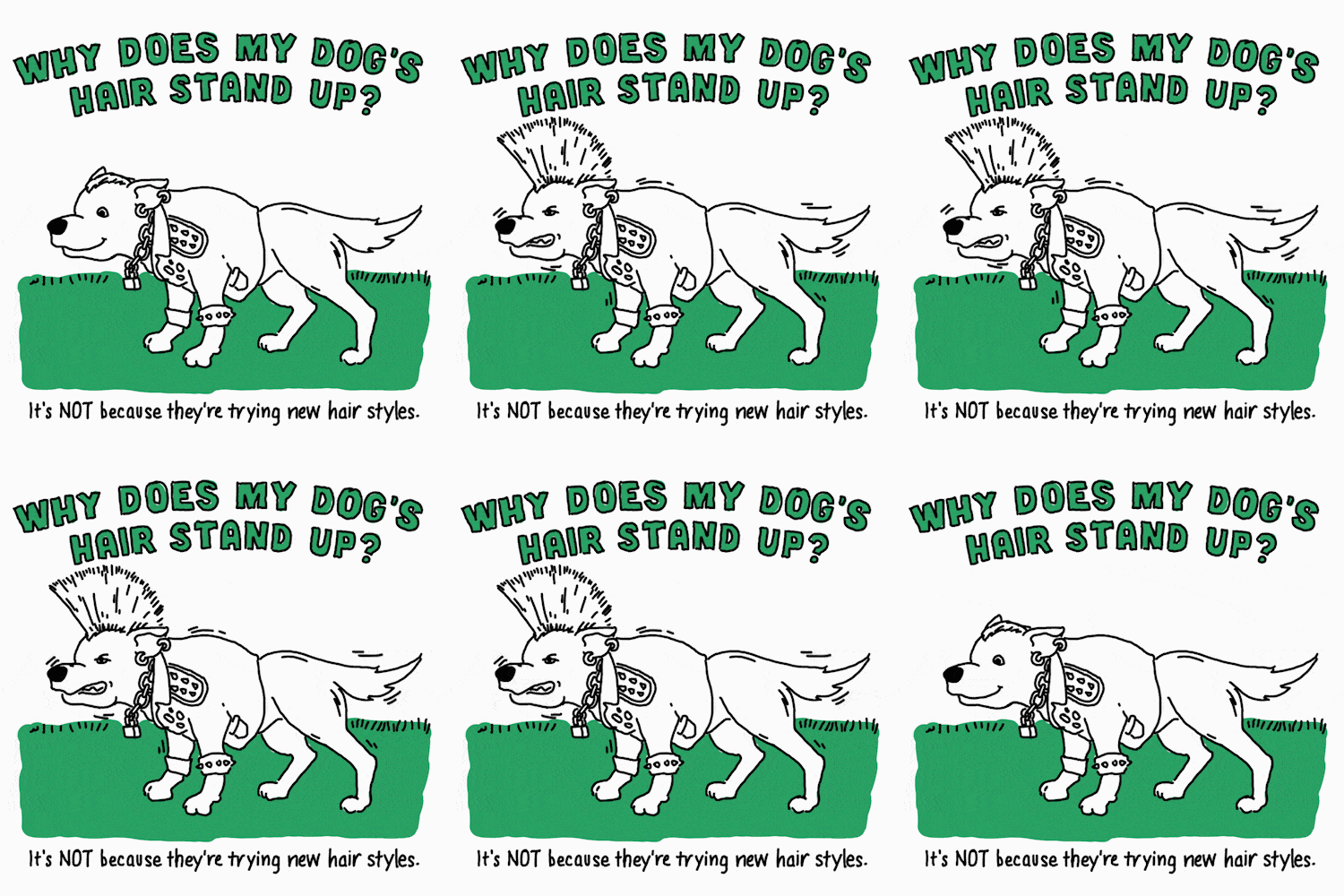
Often called “raised hackles,” dogs do this when they’re nervous, threatened or showing aggression. It’s an adaptation from their wild days of attempting to make themselves look bigger.
Opens a new window Dr. Tammie King, Applied Behavior Technical Leader at Waltham Petcare Science Institute, offered this insight to keep in mind: “What’s important when talking about a dog’s body language is to not take one thing in isolation. You’re at risk of misinterpreting what the dog is trying to say to you. Context is everything.”
So be sure to pay attention to what your dog isn’t saying to keep them healthy and happy. Serving them
Opens a new windowIAMS dog food every day will certainly help.
*Surveyed U.S. dog owners, age 18+
Sample Size: n=201
Fielded May 8 to May 10, 2020