Enter a keyword below to search for articles and products.
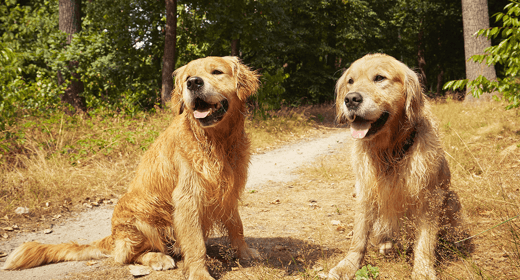
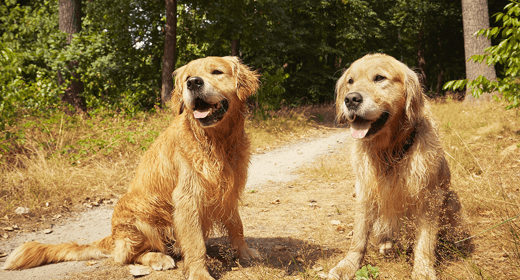
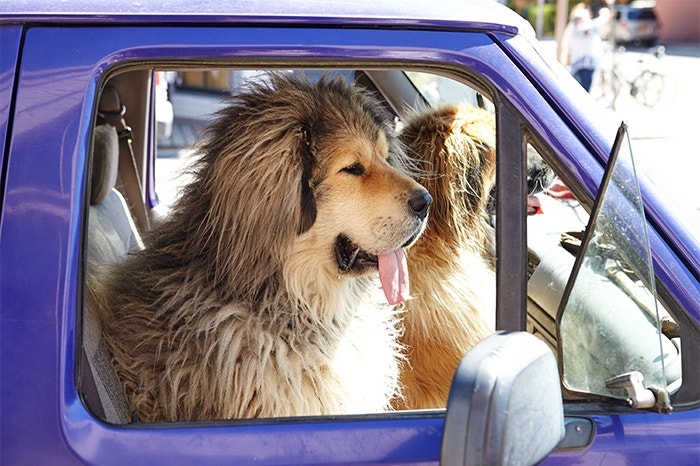
Whether your dog is a big sweetie, a big weirdo or a big athlete, here’s what you need to know about taking care of your big dog.
First, all big dogs start out as little dogs. But pretty soon they grow up — and so does their appetite, their toys, their dog bowls, the vet bill and their need for speed.
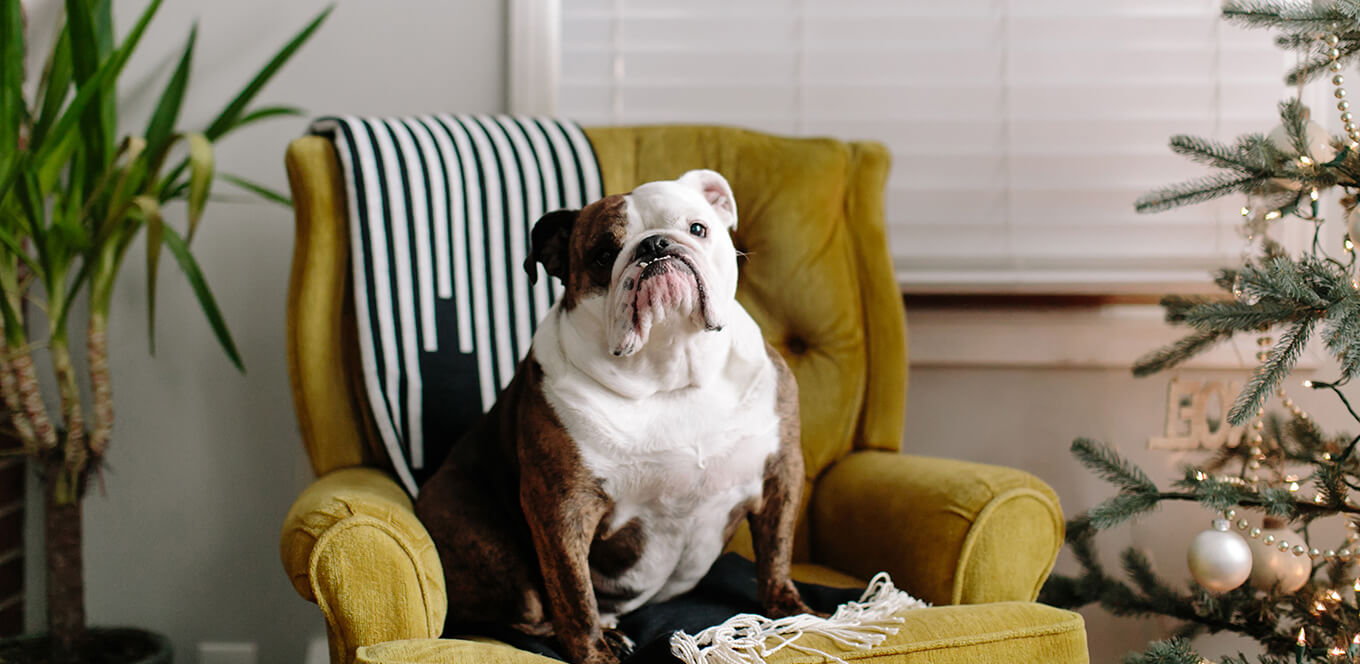
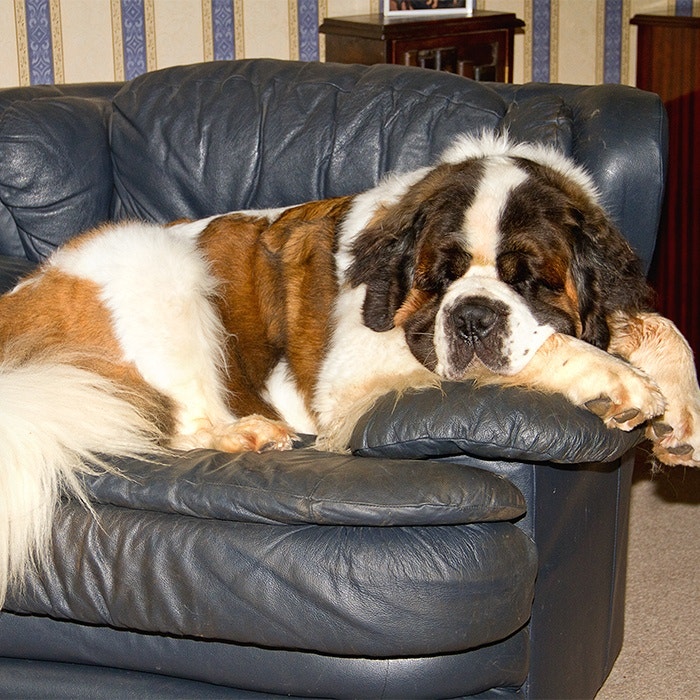
He started to grow.
And pretty soon
he was bigger than
the recliner.
Sometimes it can take more than two years for them to reach their full size.
And you won’t like to think about it too much, but their life spans are shorter, too: about 10 to 12 years.
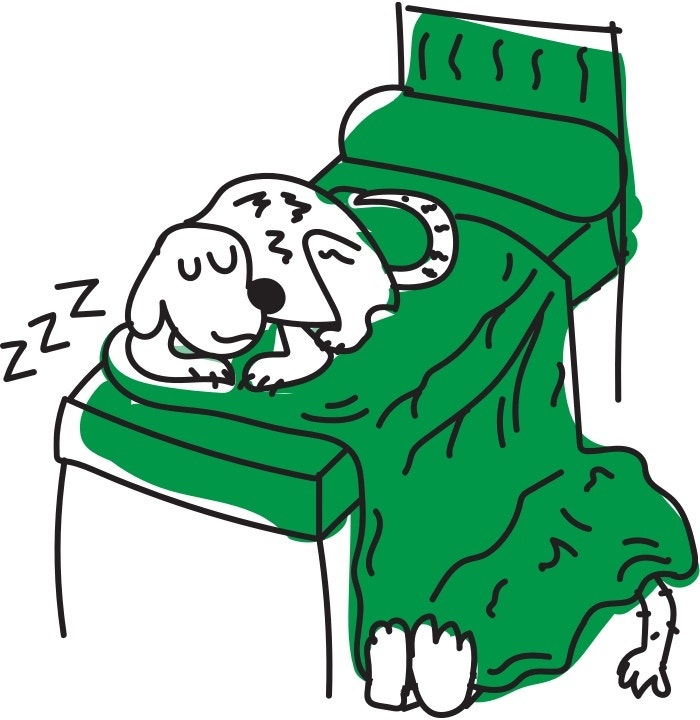
No wonder
you'll let him push
you off the bed
at night.
If a large dog gets too much food as a pup, they’re at a higher risk of growing too quickly, which can cause joint trouble.
For large breeds, being overweight is especially problematic. All that extra weight can be a lot for the joints to carry around.
Keep your good old dog healthy by practicing portion control and feeding nutritious food like IAMS™ Mature Adult Large Breed.
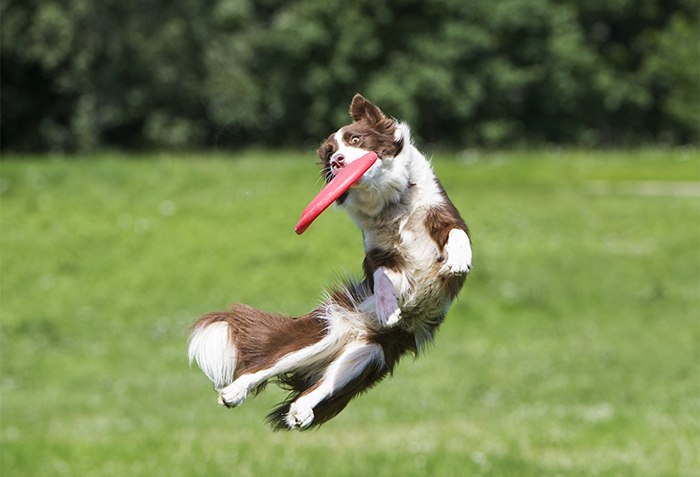
How will she catch
a screaming
15-mile-an-hour
Frisbee in midair
if she has knee trouble.
Back in the day, large-breed dogs were especially energetic. They were working dogs, herders, hunters, cart pullers and people protectors.
Who are we to deny their evolution?
Make sure your dog gets exercise every day.
How do you accomplish this? Walk, walk and more walk. And add in some running, jumping, chasing, hiking, fetching, dog-park visiting, swimming and even agility courses.
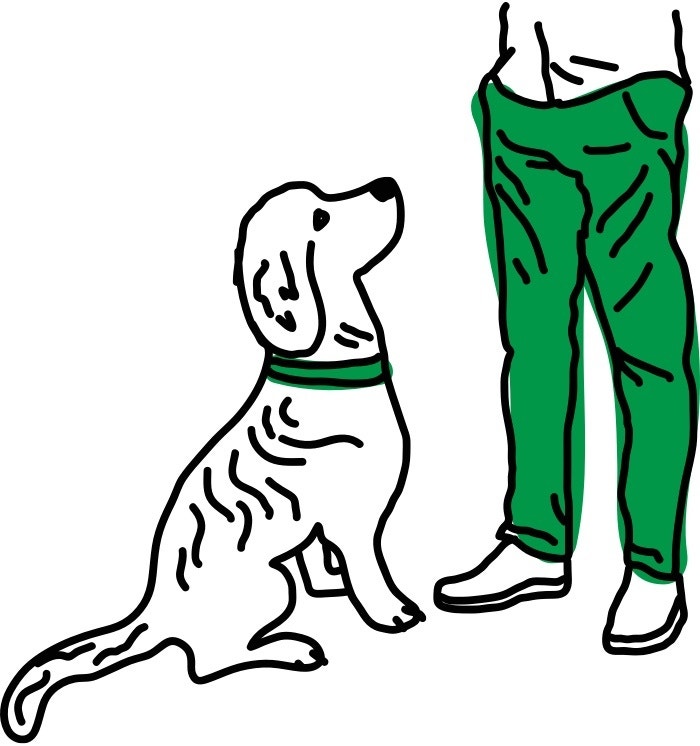
Repeat this mantra:
'I am the alpha.'
When it comes to training, think of it this way: The bigger the dog, the harder it is to hide behavior problems. And if you can’t control your super-sized soulmate, they could inadvertently cause damage or hurt someone.
Living large is all
about biting the
wind and living
that sweet,
sweet life.
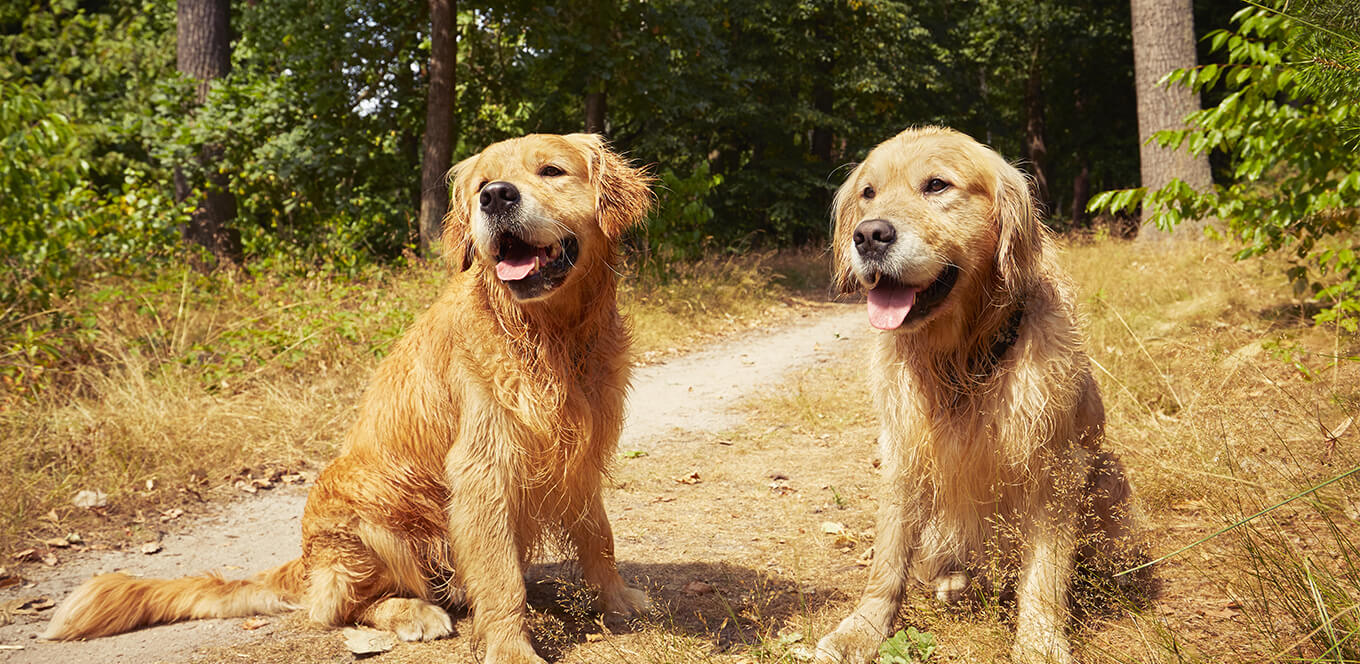
Diet plays a central role in your dog’s overall health and well-being, and it stands to reason that you want to provide your dog the best possible source of nutrition in the dog food you choose. But some nutrients, like L-Carnitine, may be unfamiliar or completely foreign. Learn more about this vitamin-like compound and how it can help your dog maintain a healthy weight.
Carnitine, or L-carnitine, is a vitamin-like compound made in the body from amino acids. It's found naturally only in animal-based protein sources. It has been used to help with fat metabolism in other species, and recent scientific studies show that it can help reduce weight in overweight dogs.
This water-soluble substance attaches to fatty acids, transporting them into cellular mitochondria, the part of the cell that converts fat into a usable form of energy. There, they are broken down through oxidation and converted to energy for all tissues, including the heart, liver, and skeletal muscles. Through this process, carnitine helps reduce the storage of body fat and the amount of fat in the bloodstream.
In a study conducted by The IAMS™ Company, overweight dogs were fed similar diets. One group was given a diet supplemented with L-carnitine while another group received a diet without supplemental L-carnitine.
After seven weeks, the group that received the diet without supplemental L-carnitine lost 1.8% body weight compared to 6.4% body weight loss from the group that was fed the L-carnitine supplemented diet. Likewise, body fat was reduced in each group by 2.4% and 4.6%, respectively.1 The study found that L-carnitine promotes loss of body weight and body fat in overweight dogs.
IAMS™ ProActive Health™ Adult Healthy Weight is formulated with L-carnitine that helps turn fat into energy, providing a path to help keep him fit for life.
1 Sunvold GD, Tetrick MA, Davenport GM, Bouchard GF. 'Carnitine supplementation promotes weight loss and decreased adiposity in the canine.' Proceedings of the XXIII World Small Animal Veterinary Association. p. 746. October, 1998.